

The Authority in Global Agricultural Chemistry & Bio-Resources
What Is Livestock and Poultry Technology? Key Systems Used in Modern Farm Operations
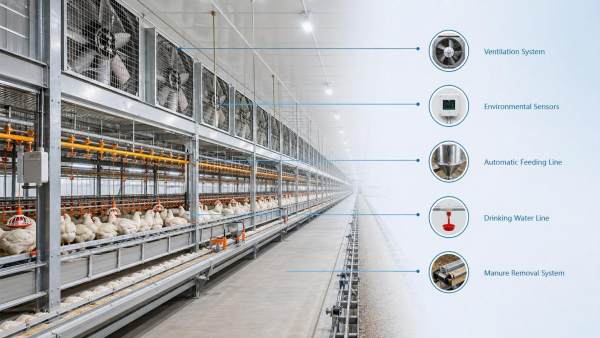
Livestock and poultry technology covers the hardware, software, and operating systems that keep animal production precise, repeatable, and measurable. It matters because modern farm performance is no longer judged only by output volume. Feed conversion, animal welfare, biosecurity, traceability, labor efficiency, and environmental compliance now influence the commercial value of every production unit.
That shift has pushed livestock and poultry technology beyond simple mechanization. In large-scale operations, it now connects climate control, feeding, watering, waste handling, monitoring, and health records into one operating environment. For sectors tracked by AgriChem Chronicle, this is part of a broader pattern: primary industries are becoming more data-driven, more regulated, and more dependent on transparent technical standards.
How the term is used in farm operations
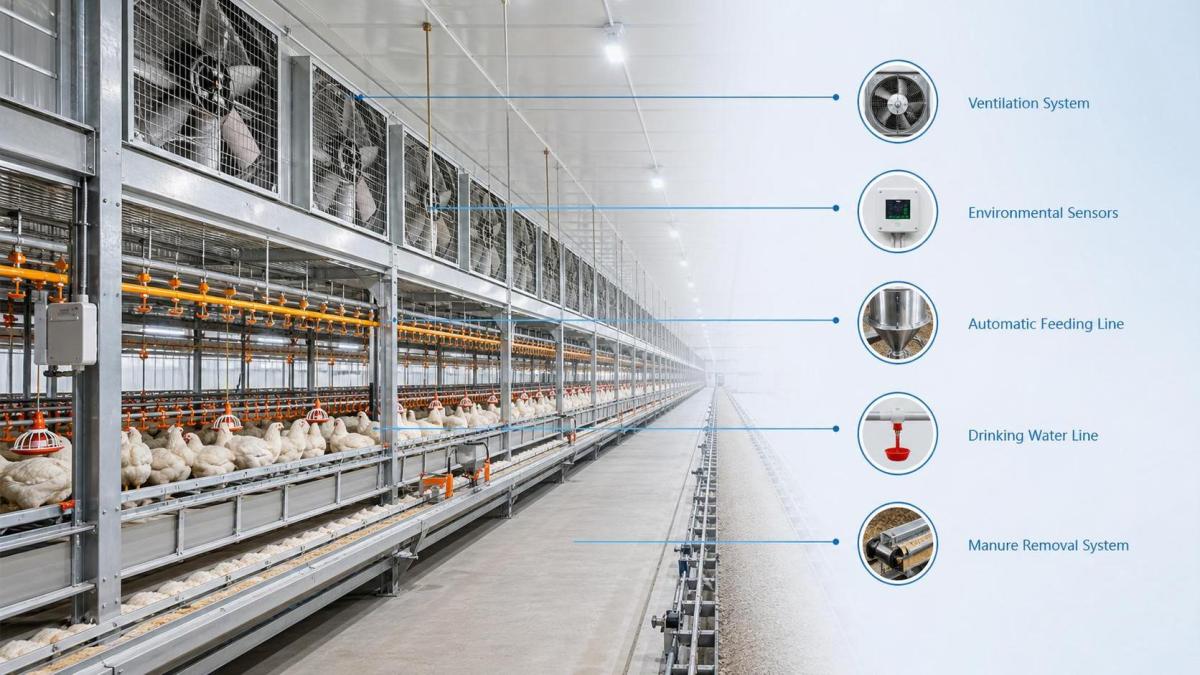
At a practical level, livestock and poultry technology refers to systems used in raising cattle, swine, broilers, layers, breeders, and other commercial animals under controlled conditions.
It includes physical equipment such as feeders, ventilation fans, drinker lines, manure conveyors, egg collection units, sensors, weighing scales, and automated dosing devices.
It also includes digital layers. Farm management software, barn controllers, remote alarms, production dashboards, and sensor-linked analytics are now central parts of livestock and poultry technology.
Simple facilities can use these tools separately. More advanced sites integrate them, so a feed adjustment can be reviewed alongside growth rate, mortality, water intake, humidity, and energy consumption.
Why the sector is drawing closer attention
The pressure on farm operations comes from several directions at once. Input costs remain volatile. Skilled labor is harder to secure. Animal disease risk can spread quickly. Regulatory scrutiny is tighter across emissions, food safety, and recordkeeping.
Because of that, livestock and poultry technology is increasingly evaluated as infrastructure, not an optional upgrade. A feeder or ventilation controller is no longer only a machine purchase. It is part of a risk-control system.
This is especially relevant in supply chains where downstream buyers expect validated process control. The same logic seen in fine chemicals, feed processing, and regulated industrial inputs now shapes animal production decisions as well.
In other words, the conversation has moved from “Can this farm automate?” to “Can this site document stable operating conditions over time?”
The core systems behind livestock and poultry technology
Most modern facilities rely on a common set of system categories. The details differ by species, climate, stocking density, and production model, but the logic remains similar.
Environmental control
Temperature, humidity, airflow, static pressure, and gas levels shape animal comfort and performance. Poultry houses and enclosed livestock barns depend on ventilation fans, inlets, heaters, cooling pads, fogging systems, and control panels.
When these systems are calibrated well, they reduce heat stress, respiratory pressure, litter problems, and uneven growth. When they are poorly matched, even strong genetics and feed quality can underperform.
Feeding and watering systems
Automated feed delivery is one of the most visible parts of livestock and poultry technology. It supports portion consistency, timing control, lower waste, and faster response to ration changes.
Water systems matter just as much. Pressure regulators, medicators, filtration units, nipple drinkers, and flow meters help maintain stable intake and allow early detection of stress or disease signals.
Health, sensing, and monitoring
Sensors now track far more than room temperature. Advanced livestock and poultry technology can monitor body weight trends, feed conversion, water consumption, movement patterns, and barn-level anomaly alerts.
The value is not only visibility. Good monitoring shortens the time between a biological problem and an operational response.
Waste and biosecurity systems
Manure scraping, belt removal, lagoon handling, composting support, carcass management, and sanitation controls are often treated as separate utility systems. In reality, they are core parts of farm performance.
Biosecurity equipment, disinfection stations, access control, and compartmentalized barn design reduce contamination pathways and support more consistent health outcomes.
Where system priorities change by production setting
Not every operation values the same technical features. Species biology, building design, regional weather, and market channel all change the equipment profile.
This variation explains why livestock and poultry technology should be assessed as a system architecture, not a shopping list. A strong component can still disappoint if it does not fit the housing model or operating routine.
What creates measurable business value
The commercial case for livestock and poultry technology usually becomes clear in four areas: output consistency, labor control, compliance visibility, and lower biological volatility.
Output consistency is often the first signal. More stable feed delivery, airflow, and water access tend to reduce avoidable variation between houses, flocks, or animal groups.
Labor value is broader than headcount reduction. Automation can standardize repetitive tasks, reduce emergency interventions, and make technical supervision easier across multiple sites.
Compliance value is rising quickly. Data logs from livestock and poultry technology can support internal reviews, welfare protocols, environmental reporting, maintenance records, and traceability expectations.
The final piece is resilience. Operations with integrated controls usually detect deviations earlier, which helps contain production losses before they become structural problems.
How to assess a system beyond the brochure
Equipment claims often emphasize automation, but practical assessment should go deeper. The strongest livestock and poultry technology platforms are reliable under daily farm conditions, not only under ideal demonstrations.
- Check whether sensor data is actionable or merely visible.
- Review spare parts availability and service response time.
- Confirm compatibility with feed systems, housing layout, and electrical infrastructure.
- Look for audit trails, alarm history, and exportable records.
- Compare energy demand, cleaning requirements, and maintenance frequency.
- Assess whether the vendor can document compliance with relevant standards.
In sectors followed by ACC, supply chain transparency increasingly affects trust. The same applies here. Documentation quality, validation evidence, and support structure can matter as much as the equipment specification itself.
What to watch over the next planning cycle
The next phase of livestock and poultry technology is likely to center on tighter integration. Feed data, environmental readings, health indicators, and maintenance events will increasingly move into unified operating platforms.
That does not mean every facility needs the most advanced stack. In many cases, the better move is to identify one operational bottleneck, then choose technology that produces cleaner decisions around it.
A useful starting point is to map the farm by risk zone: climate instability, feed loss, disease exposure, labor intensity, or reporting gaps. From there, livestock and poultry technology can be compared against measurable outcomes rather than general promises.
That approach usually leads to better long-term choices. It also makes later expansion easier, because each system is judged by operational fit, data value, and compliance relevance from the beginning.
Related Intelligence
- Heavy Agri MachineryMachinery Supplier Verification: A Due-Diligence Checklist for Overseas BuyersMachinery supplier verification made practical: use this due-diligence checklist to assess quality, compliance, export readiness, and after-sales support before buying overseas.
- Heavy Agri MachineryHow to Assess Heavy Agricultural Machinery Producers for Dealer Support and Parts AvailabilityHeavy agricultural machinery producers: learn how to assess dealer expertise, critical parts availability, service response, and downtime risk before you buy.
- Heavy Agri MachineryCan Agricultural Equipment Be Retrofitted for Precision Agriculture?Can agricultural equipment be retrofitted for precision agriculture? Discover practical upgrades, compatibility checks, costs, and smarter ways to boost farm efficiency.
The Morning Broadsheet
Daily chemical briefings, market shifts, and peer-reviewed summaries delivered to your terminal.
