

The Authority in Global Agricultural Chemistry & Bio-Resources
How to Choose a Round Baler Machine: Bale Size, PTO Power, and Crop Type
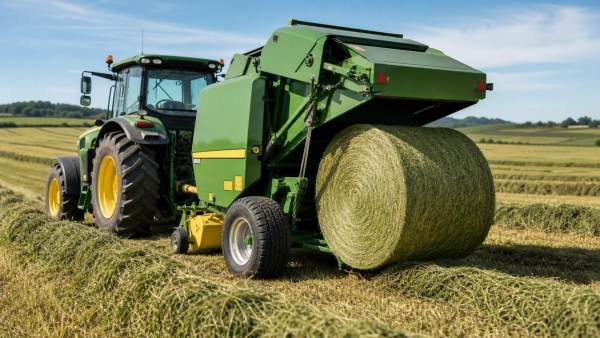
Choosing a round baler machine is rarely a simple equipment comparison. Bale diameter affects transport and storage, PTO demand shapes tractor matching, and crop condition determines whether a machine performs smoothly or creates expensive bottlenecks.
That is why this topic remains highly relevant across agricultural and primary processing markets. In a supply environment where efficiency, feed quality, and capital discipline matter equally, the right baler decision supports both field operations and downstream handling.
For readers of AgriChem Chronicle, the issue also fits a broader pattern. Machinery procurement today depends on verified technical data, operational fit, and transparent lifecycle expectations rather than brochure claims alone.
What a round baler machine must achieve in real operations
A round baler machine gathers windrowed material, compresses it into cylindrical bales, and wraps or ties the bale for handling. On paper, that sounds straightforward. In practice, the machine must balance throughput, density, moisture tolerance, and tractor compatibility.
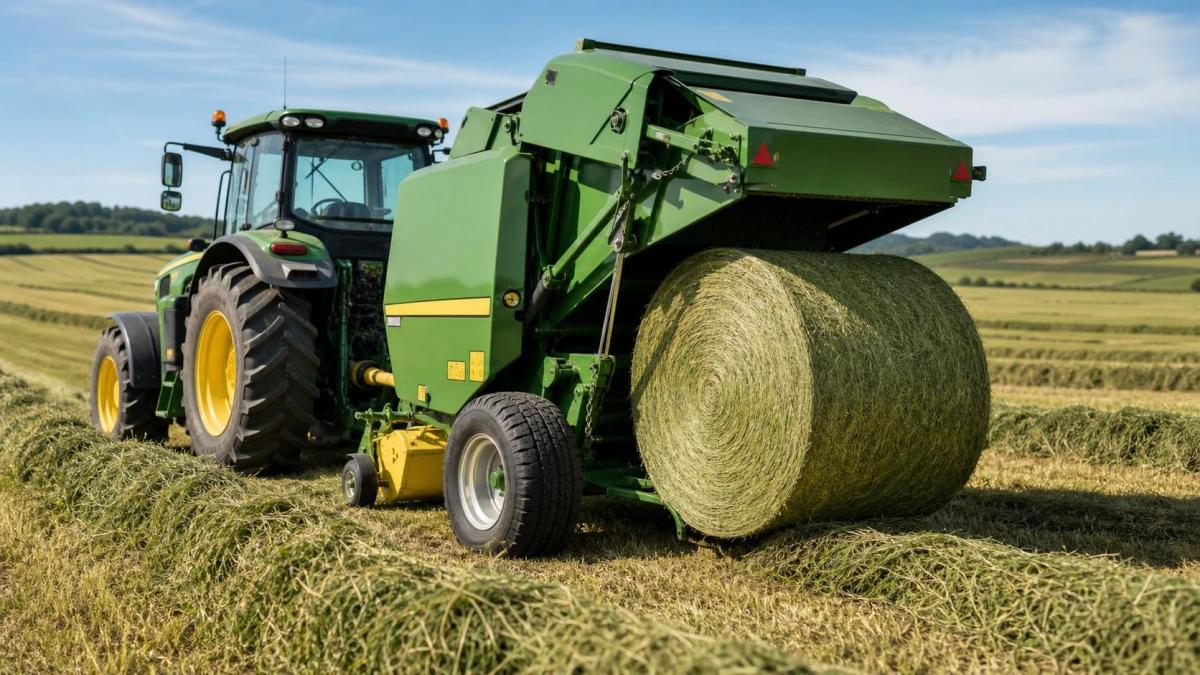
The basic decision is not only about making bales. It is about producing consistent bales that match loading equipment, trailers, stacking space, animal feed plans, or biomass logistics without excessive downtime.
A well-chosen round baler machine reduces missed pickup, uneven cores, and overloading on hilly ground. A poor match often shows up later through broken twine, soft bales, extra fuel use, and more labor during storage.
Why bale size changes the economics
Bale size is usually the first specification buyers review, but it should be read as a logistics variable, not just a machine dimension. Diameter and width influence bale weight, wrapping cost, stackability, and handling speed.
Smaller bales are easier to move with lighter loaders and compact tractors. They suit mixed farms, smaller fields, and operations where storage access is tight or bale distribution is frequent.
Larger bales reduce the number of units handled per hectare. That can improve field efficiency and labor productivity, especially where transport routes, loader capacity, and storage systems already support heavier loads.
Typical bale size trade-offs
The important point is simple. Bale size should follow transport limits, storage geometry, loader capacity, and end use. It should not be selected in isolation from the rest of the system.
PTO power is more than a minimum number
Many equipment listings show a minimum PTO requirement, but real performance depends on crop volume, terrain, moisture, and target density. A round baler machine that technically runs on a smaller tractor may still struggle in heavy windrows.
Underpowered setups usually create hidden costs. Ground speed drops, feeding becomes uneven, and operators may avoid full bale density to keep the tractor from lugging. This weakens productivity and can compromise bale integrity.
A more reliable approach is to treat PTO power as a working range. That range should reflect local field conditions and the densest crop likely to be baled during peak season.
What to verify beyond the rated PTO figure
- Pickup width relative to typical windrow size
- Rotor or cutter configuration and knife count
- Hydraulic capacity for tailgate and density control
- Performance on slopes and soft ground
- Fuel use at commercial working speeds
In other words, tractor matching should be validated under load, not just on a specification sheet. ACC’s machinery coverage often highlights this same procurement lesson across primary industries: rated capacity and usable capacity are not always identical.
Crop type changes the right machine choice
Crop type is where many round baler machine comparisons become more nuanced. Dry straw, hay, silage, alfalfa, and stalk-heavy residue behave differently at the pickup, inside the chamber, and during bale formation.
Dry straw usually rewards throughput and simple feeding. Silage demands stronger compression, reliable wrapping compatibility, and better tolerance for higher moisture. Delicate hay often requires gentler handling to reduce leaf loss.
This is why chamber design matters. Roller, belt, or hybrid systems can behave differently depending on crop friction, moisture, and desired bale firmness.
Crop-led evaluation points
When crop profiles vary through the year, a variable chamber round baler machine can provide useful flexibility. Even then, adjustment time, operator skill, and service support still influence actual value.
The broader cost picture behind the purchase
Purchase price is only one layer of the decision. The more durable question is how the round baler machine affects cost per bale over several seasons.
Wear parts, twine or net consumption, fuel demand, and seasonal uptime often make a larger difference than the initial quotation. So does the availability of local service, parts lead time, and diagnostic support during harvest pressure.
In regulated and traceability-focused supply chains, reliable equipment documentation is also increasingly relevant. Service history, component origin, and performance validation help reduce uncertainty in multi-site operations and contractor arrangements.
That perspective aligns with ACC’s editorial approach across agricultural and industrial procurement: better capital decisions usually come from connecting equipment data with operational evidence and supply chain transparency.
A practical shortlist for comparing models
Before narrowing suppliers, it helps to compare each round baler machine against the same field conditions and handling assumptions. That creates a more consistent basis for negotiation and technical review.
- Match bale size to loader limits, trailer format, and storage layout
- Check PTO demand against the actual tractor fleet, not the strongest unit available
- Review the main crop mix by moisture level, windrow density, and seasonal volume
- Ask for field data on bale density, throughput, and knot or wrap reliability
- Compare wear part life and parts availability during peak use periods
- Assess operator controls, blockage recovery, and maintenance access
These points are especially useful when two machines appear similar in headline specifications. The operational differences often become visible only after examining crop behavior, tractor loading, and handling systems together.
Where the next decision should start
The best round baler machine is usually the one that fits a defined bale program, not the one with the longest feature list. Bale size, PTO power, and crop type should be treated as a connected decision set rather than separate checklist items.
A useful next step is to map one season of real conditions: tractor capacity, main crops, moisture range, expected bale count, transport method, and storage constraints. That framework makes supplier comparisons more objective and reduces the risk of buying for peak claims instead of daily performance.
For operations tracking machinery trends through AgriChem Chronicle, the strongest procurement outcomes usually come from combining specification review with field validation, service transparency, and realistic cost-per-bale analysis.
Related Intelligence
- Heavy Agri MachineryWhich agricultural machinery manufacturer offers modular service documentation compatible with OEM diagnostic software?Which agricultural machinery manufacturer delivers modular service docs that integrate natively with OEM diagnostic software? Discover CLAAS, John Deere & SDF—real interoperability, zero PDF friction.
- Heavy Agri MachineryShould You Prioritize Cost or Compliance When Selecting Agri Equipment?Should I prioritize cost or compliance when selecting agri equipment? Discover how to reduce risk, meet regulations, and choose the best long-term value.
- Heavy Agri MachineryHow to Evaluate Large Scale Livestock Equipment for Farm Expansion ProjectsLarge scale livestock equipment evaluation starts with throughput, system fit, compliance, and lifecycle cost. Learn how to choose expansion-ready solutions that reduce risk and improve farm ROI.
The Morning Broadsheet
Daily chemical briefings, market shifts, and peer-reviewed summaries delivered to your terminal.
