

The Authority in Global Agricultural Chemistry & Bio-Resources
Combine Harvesters Wholesale: What to Check Before Choosing Models for Grain Operations
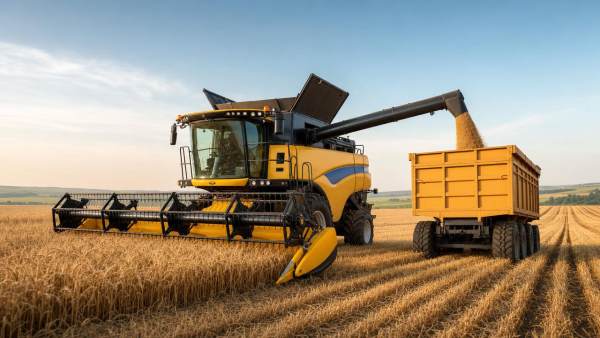
Why does model selection matter so much in combine harvesters wholesale deals?
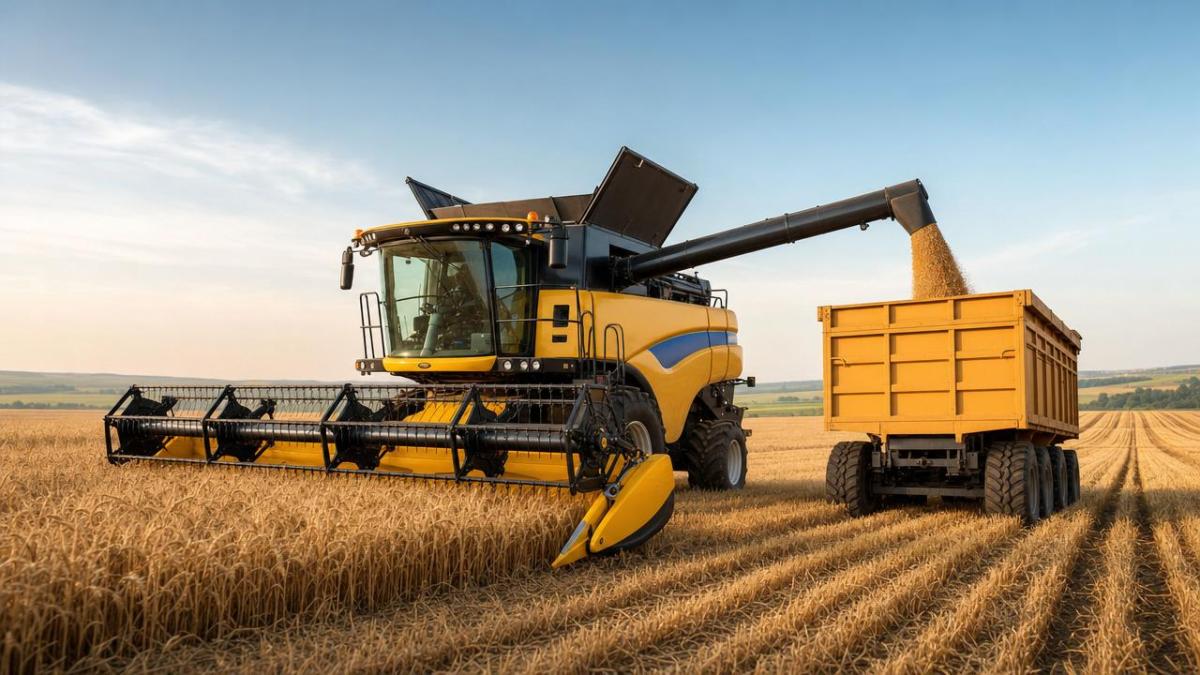
When reviewing combine harvesters wholesale offers, the biggest mistake is treating machines as interchangeable assets.
On paper, two models may show similar engine power, header width, and price.
In grain operations, real performance is decided elsewhere.
Grain loss, cleaning quality, unloading speed, moisture handling, and downtime often shape returns more than headline specifications.
That is why combine harvesters wholesale sourcing usually starts with the harvesting system, not the quotation sheet.
A suitable model should match crop type, field size, harvest window, operator skill, and transport conditions.
In practical terms, wheat, rice, corn, and mixed grain programs rarely demand the same setup.
AgriChem Chronicle often frames machinery evaluation the same way it covers regulated industrial inputs.
Technical fit, supply transparency, and field reliability matter more than attractive brochure language.
Which machine specifications deserve the closest attention before comparing wholesale models?
This question comes up early because broad specifications can hide operational limitations.
A better approach is to separate capacity claims from grain-handling performance.
Start with harvesting throughput, then test grain quality assumptions
Header size affects field speed, but it does not guarantee clean, low-loss harvesting.
Look closely at threshing system design, separator type, sieve area, cleaning fan efficiency, and grain tank volume.
Machines built for high-volume grain flow can still underperform in lodged crops or damp straw.
It also helps to ask for field data under comparable crop conditions, not only factory test numbers.
Check the details that usually affect working days
- Fuel consumption per harvested hectare, not only per hour
- Unloading rate and auger positioning for transport coordination
- Track or tire suitability for wet, soft, or uneven ground
- Cab visibility, monitor clarity, and error diagnostics
- Service points for daily cleaning and routine maintenance
These details often decide whether combine harvesters wholesale procurement supports a smooth harvest or an expensive bottleneck.
How do you know if a model really fits your grain operation?
The best-fit model is rarely the largest unit in the catalog.
More often, it is the one that keeps loss rates stable across changing field conditions.
A useful way to judge fit is to map equipment choice against actual harvest pressure.
This kind of fit-check is especially useful when compare-and-select decisions involve several combine harvesters wholesale suppliers.
It prevents decisions from drifting toward the cheapest offer without examining operating reality.
What supplier questions reveal more than the price sheet?
A low quote can look attractive until support gaps appear during harvest.
That is why supplier evaluation should be treated as part of model evaluation.
In combine harvesters wholesale sourcing, supplier strength is visible in documentation, service structure, and parts access.
Ask for evidence, not general assurances
- What is the average lead time for wear parts during harvest season?
- Which components are stocked locally, and which are imported on demand?
- Can the supplier provide model-specific service manuals and parts lists?
- Is operator training included at delivery or billed separately?
- What warranty exclusions apply to threshing, belts, sensors, and electronics?
Reliable answers indicate a mature support network.
Vague answers usually point to procurement risk, even if the machine itself looks competitive.
This verification mindset aligns with ACC’s wider editorial focus on traceability and operational transparency across industrial sectors.
Where do buyers usually misjudge total cost in combine harvesters wholesale comparisons?
The common error is assuming acquisition cost and total cost are close enough.
They usually are not.
A more realistic cost view includes seasonal wear, downtime exposure, operator learning, and resale stability.
Hidden cost areas worth checking early
Belts, chains, knives, concaves, sieves, and sensors may vary sharply in replacement cost across brands.
So can software subscriptions, calibration visits, and diagnostic tools.
Transport and storage also matter.
Large units may require route permits, escort planning, or extra shed modifications.
Another overlooked factor is the cost of lost harvest hours.
During a narrow grain window, delayed repair can cost more than a higher upfront equipment price.
For that reason, combine harvesters wholesale decisions should include a downtime scenario review, not just a purchase budget review.
What final checklist helps narrow the decision without overcomplicating it?
By this stage, the goal is not to collect more brochures.
The goal is to reduce uncertainty.
A short decision checklist usually works better than a long feature matrix.
- Confirm crop compatibility using field examples, not marketing descriptions
- Compare grain loss performance under similar moisture conditions
- Review service coverage for the exact harvest months involved
- Test operator interface and daily maintenance access
- Price the first two years of wear parts and expected consumables
- Check whether resale demand exists for the selected model class
If two models still appear close, the better decision is often the one with stronger service predictability.
That may sound conservative, but in grain operations, consistency usually outperforms theoretical peak capacity.
When assessing combine harvesters wholesale options, the strongest position comes from aligning technical data, operating conditions, and supplier evidence.
A practical next step is to build a side-by-side review using crop profile, expected annual hours, parts access, and downtime tolerance.
That approach makes model selection clearer, more defensible, and more useful over the full harvest cycle.
Related Intelligence
- Heavy Agri MachineryEvaluating Farm Equipment Distributors: Parts Availability and Service CoverageCompare farm equipment distributors on critical parts availability, service coverage, and repair response. Learn what to verify before buying to reduce costly downtime.
- Heavy Agri MachineryHow Does Market Forecasting Help Plan Farm Machinery Procurement?How does market forecasting help agri procurement planning? Discover how to time machinery purchases, protect cash flow, and reduce delivery risks before critical farm deadlines.
- Heavy Agri MachineryIs It Safe to Source Farm Machinery from Emerging Markets?Is it safe to source agri machinery from emerging markets? Discover how to verify suppliers, check compliance, and secure parts support to protect your farm and avoid costly buying mistakes.
The Morning Broadsheet
Daily chemical briefings, market shifts, and peer-reviewed summaries delivered to your terminal.
