

The Authority in Global Agricultural Chemistry & Bio-Resources
Agri and forestry machinery specifications that affect field uptime
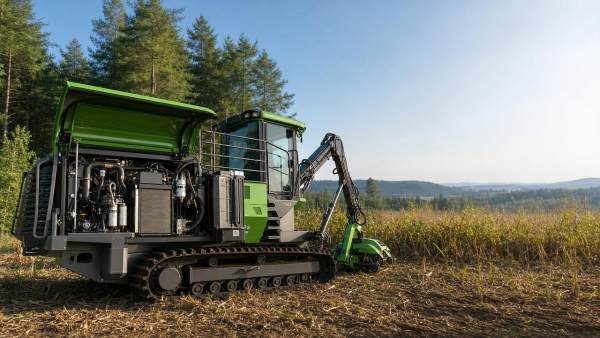
For aftersales maintenance teams, understanding Agri & Forestry machinery specifications is essential to keeping equipment productive through long field cycles.
From engine load ratings and hydraulic flow capacity to service access and parts compatibility, the right specifications directly influence uptime, repair speed, and lifecycle cost.
In practical terms, Agri & Forestry machinery specifications are not just purchasing data. They shape maintenance windows, fault isolation speed, and how reliably machines return to work.
This article explains which specifications matter most across different operating scenes, why priorities change, and how to judge field uptime risks before they become expensive interruptions.
When field conditions change, Agri & Forestry machinery specifications must be judged differently
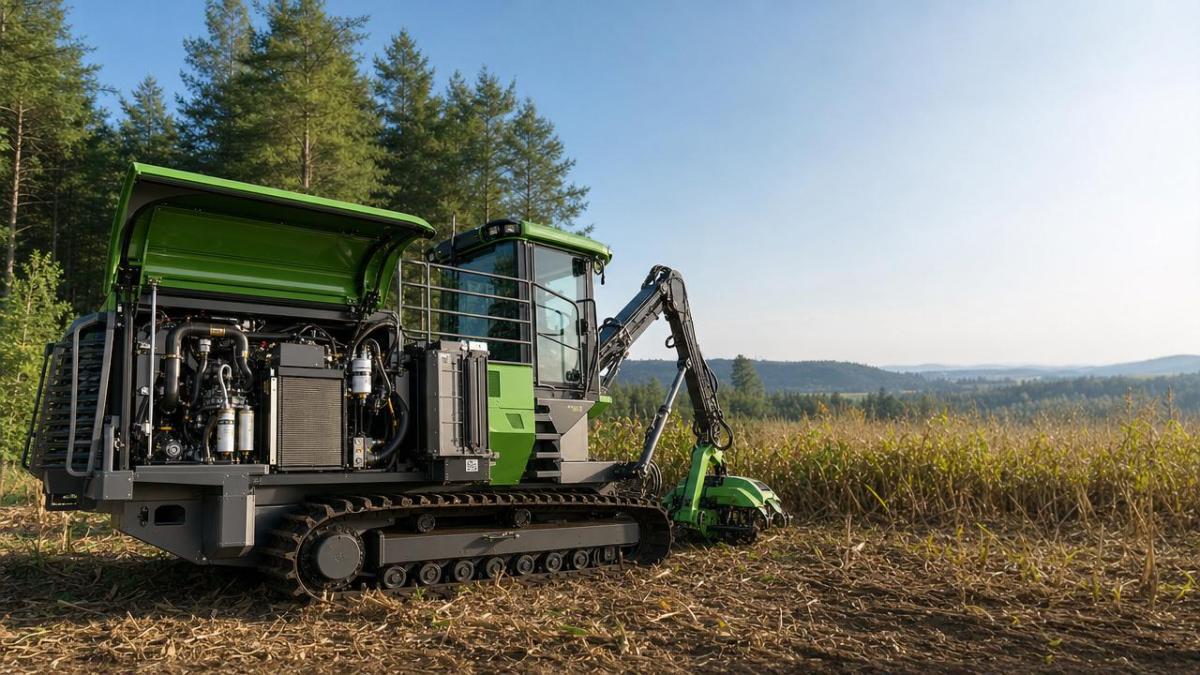
A machine performing well in row-crop farming may underperform in forestry clearing, slope work, or wet harvesting. The same specification can create very different maintenance outcomes.
That is why Agri & Forestry machinery specifications should be assessed through use conditions, duty cycle intensity, and service access limits rather than brochure claims alone.
Uptime depends on how the machine absorbs heat, contamination, shock loading, and repetitive starts. Maintenance planning must connect those stresses to actual specification limits.
Well-chosen specifications reduce unscheduled stops. Poorly matched specifications force more hose failures, filter blockage, overheating, drivetrain fatigue, and slow replacement procedures.
Scene 1: Long harvest shifts demand specifications that support rapid service recovery
During harvest, downtime costs rise sharply because narrow weather windows compress the work schedule. Maintenance success depends on serviceability-focused Agri & Forestry machinery specifications.
Engine torque reserve matters here. A higher reserve helps equipment hold output in varying crop density without constant stress spikes and excessive fuel-system correction.
Cooling package capacity is equally important. Dust-heavy conditions can quickly reduce radiator efficiency, so fan reversibility, screen access, and core cleaning clearance affect uptime directly.
Hydraulic oil volume also deserves attention. Larger reservoirs can improve thermal stability during long runs, reducing seal wear and protecting pumps from heat-related efficiency loss.
Core judgment points in harvest conditions
- Daily service points reachable without removing guards
- Filter layout that shortens change time
- High debris tolerance in air intake and cooling systems
- Diagnostic readout visibility in field conditions
- Common fastener sizes for quicker repair work
Scene 2: Forestry operations require specifications that resist shock, contamination, and access limits
Forestry environments challenge machines differently. Branch strike, uneven terrain, stump impact, and remote access all increase the value of robust Agri & Forestry machinery specifications.
Undercarriage protection and hose routing become major uptime variables. Exposed hydraulic lines may meet performance targets, yet still create avoidable field failures.
Ground clearance should be evaluated with belly guarding, not in isolation. A specification sheet may look strong, but vulnerable underside components can still limit operating continuity.
Air filtration stage design is another key factor. Multi-stage systems with pre-cleaning support longer service intervals in bark, dust, and chip-heavy environments.
What supports uptime in forest work
Protected harness routing, reinforced guarding, sealed electrical connectors, and easy access to grease points often matter more than peak horsepower on paper.
In remote work zones, parts commonality is vital. Agri & Forestry machinery specifications that share filters, belts, sensors, and couplings reduce recovery time after failure.
Scene 3: Wet soil and mixed-terrain work make traction and weight specifications decisive
Wet conditions expose hidden weaknesses in traction design, axle load distribution, and tire or track compatibility. These Agri & Forestry machinery specifications directly affect mobility-related downtime.
Excess machine weight increases compaction and extraction difficulty. Once stuck, even minor service events can become major schedule disruptions because access equipment is needed.
Differential lock behavior, transmission ratios, and low-speed torque delivery all influence whether the machine maintains productive movement under load.
Tire size availability also matters operationally. If replacement sizes are uncommon, a simple damage event may create long downtime despite otherwise strong machine performance.
How specification priorities differ across operating scenes
Practical adaptation advice for choosing uptime-focused specifications
The best Agri & Forestry machinery specifications are those that shorten failure recovery under real operating pressure. This requires structured comparison, not isolated metric review.
- Map the machine’s longest continuous duty cycle and compare it with cooling, hydraulic, and lubrication capacities.
- Check how many routine service steps can be completed from ground level.
- Confirm whether filters, belts, seals, and sensors are shared across nearby fleet models.
- Review hose and harness protection in relation to likely strike zones and contamination paths.
- Assess diagnostic interface usability in outdoor light, dust, and glove-on maintenance conditions.
- Match tire, track, and axle specifications to the worst seasonal ground condition, not the average one.
For mixed fleets, standardizing around compatible Agri & Forestry machinery specifications can improve spare planning and reduce technician learning time.
Common misjudgments that weaken uptime despite strong headline specifications
One frequent mistake is prioritizing engine power while ignoring thermal management. More power does not help if debris loading causes repeated derating or shutdown.
Another issue is treating hydraulic flow as a standalone advantage. Without adequate cooling, contamination control, and seal access, higher flow can amplify maintenance stress.
Some evaluations overlook replacement logistics. Strong Agri & Forestry machinery specifications lose value if uncommon wear parts delay restoration after predictable faults.
Visibility and access are often underestimated too. If inspection points are difficult to reach, daily checks are skipped and minor leaks turn into major outages.
Finally, protective design is sometimes judged visually rather than structurally. Guard presence alone is insufficient without mount strength, coverage depth, and maintenance accessibility.
Next-step actions for evaluating Agri & Forestry machinery specifications more effectively
Start with a scene-based checklist. Separate harvest, forestry, wet-terrain, and remote-service needs before comparing any specification sheet.
Then build a weighted review table covering cooling, hydraulics, traction, guarding, diagnostics, and parts interchangeability. This reveals which Agri & Forestry machinery specifications truly support uptime.
Where possible, inspect service points physically or through technical documentation. Look for realistic access routes, drain locations, filter reach, and exposed failure points.
Field uptime improves when specifications are connected to maintenance reality. That means judging every machine by recovery speed, not only by output capacity.
Used this way, Agri & Forestry machinery specifications become a practical decision framework for stronger continuity, lower disruption, and more predictable operating performance.
Related Intelligence
- Heavy Agri MachineryMachinery Supplier Verification: A Due-Diligence Checklist for Overseas BuyersMachinery supplier verification made practical: use this due-diligence checklist to assess quality, compliance, export readiness, and after-sales support before buying overseas.
- Heavy Agri MachineryHow to Assess Heavy Agricultural Machinery Producers for Dealer Support and Parts AvailabilityHeavy agricultural machinery producers: learn how to assess dealer expertise, critical parts availability, service response, and downtime risk before you buy.
- Heavy Agri MachineryCan Agricultural Equipment Be Retrofitted for Precision Agriculture?Can agricultural equipment be retrofitted for precision agriculture? Discover practical upgrades, compatibility checks, costs, and smarter ways to boost farm efficiency.
The Morning Broadsheet
Daily chemical briefings, market shifts, and peer-reviewed summaries delivered to your terminal.
