

The Authority in Global Agricultural Chemistry & Bio-Resources
Fiber Backlog to 2027 Delays Smart Greenhouse Systems
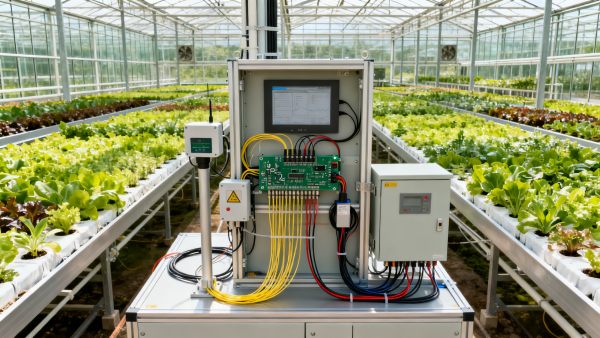
The timing of this development is not specified in the provided information, but the signal to the market is clear: industrial sensing fiber, a core component in Smart Greenhouse monitoring systems for temperature, humidity, CO₂, and light, is now facing a supply constraint that is already affecting delivery schedules. For engineering contractors, system integrators, equipment suppliers, and procurement teams, this matters less as a routine product update and more as an execution and supply-rule shift, because longer lead times can directly affect tender alignment, procurement timing, component readiness, and downstream delivery commitments.
What the disclosed backlog confirms
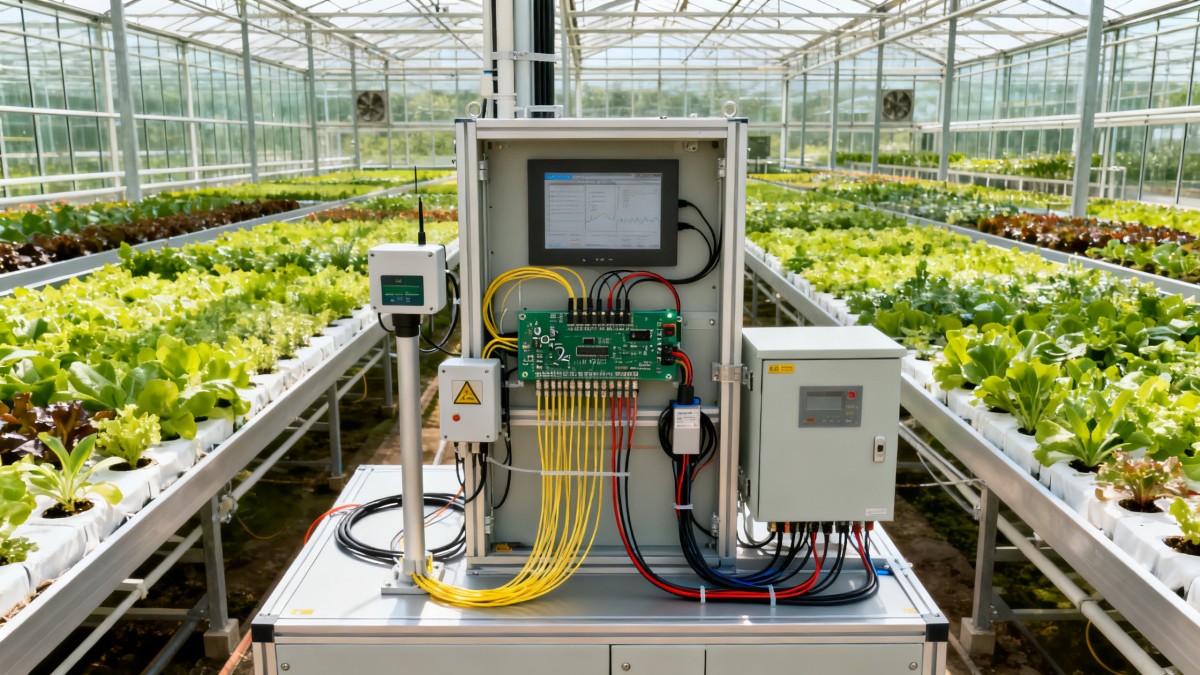
According to disclosures cited in the provided summary, leading domestic fiber companies Hengtong Optic-Electric and Yangtze Optical Fibre stated that orders for industrial-grade sensing fiber have already been scheduled through 2027. This type of fiber is widely used in Smart Greenhouse systems that perform real-time multi-parameter monitoring of temperature, humidity, CO₂, and light.
The same summary states that capacity constraints have extended the delivery cycle of intelligent environmental control equipment containing fiber sensing modules by around four to six weeks. It also advises overseas engineering firms and system integrators to lock in Q3 orders earlier and to confirm whether suppliers have sufficient second-tier material inventory.
Why this changes execution across the supply chain
Procurement planning is moving forward in the project cycle
From an industry perspective, buyers of Smart Greenhouse control equipment may be affected first at the procurement and scheduling stage. When a key sensing component is booked far in advance, purchasing teams need to pay closer attention to quoted lead times, order lock-in dates, and whether delivery commitments are based on confirmed component allocation rather than indicative availability.
Integrators face tighter delivery and document coordination
System integrators and engineering contractors may feel the impact in bid execution, technical specification alignment, and project handover planning. If fiber sensing modules are embedded in the environmental control architecture, longer component lead times can affect promised installation windows, acceptance schedules, and the completeness of technical documents tied to configured hardware.
Export and cross-border supply teams need closer supplier checks
For export-oriented suppliers and cross-border project teams, the more practical issue is not a newly announced trade rule in itself, but a change in delivery conditions that can influence contract performance and shipment planning. What deserves closer attention is supplier verification at the second-tier material level, because upstream readiness can become a compliance and execution issue once delivery dates are written into contracts, tenders, or after-sales commitments.
What companies should review now
Recheck lead-time language in quotations and contracts
Analysis shows that companies offering Smart Greenhouse systems should revisit whether their quotations, purchase orders, and delivery clauses reflect current lead-time conditions for fiber-based sensing modules. Where project milestones depend on these modules, internal sales and project teams may need tighter confirmation procedures before committing delivery dates.
Verify second-tier material readiness, not only direct supply
Observably, the summary places unusual importance on second-tier material inventory. That means supplier qualification should not stop at the immediate equipment vendor. Buyers may need to ask whether critical subcomponents tied to sensing fiber assemblies are already secured, and whether supporting material availability is documented well enough for procurement and delivery planning.
Check technical files linked to configured hardware
Where tenders, technical submissions, or client approvals depend on defined monitoring functions, companies should watch for any mismatch between approved specifications and actual module availability. This is especially relevant where temperature, humidity, CO₂, and light monitoring functions are integrated into a single environmental control package and hardware substitutions could affect documentation consistency.
Prepare for longer fulfillment and after-sales coordination
It is more appropriate to understand the current situation as an operational warning rather than a finalized rule outcome. Even so, companies involved in installation and after-sales support may need contingency planning if delayed module arrival shifts commissioning dates, maintenance schedules, or customer acceptance timing.
How this should be read at this stage
Analysis shows that this development is best read as an execution signal from the supply side rather than as a formally announced new regulation or certification rule. Even without a stated policy change, the market effect can still be regulatory in practice, because procurement files, delivery obligations, technical commitments, and supplier qualification checks often become stricter when a key industrial component moves into prolonged backlog.
Observably, the immediate issue is not whether demand exists, but how downstream participants translate this constraint into compliant procurement, realistic delivery promises, and more defensible contract management. That is why continued attention to tender wording, technical file consistency, supplier traceability, and actual fulfillment performance remains important.
A practical reading for the market
The disclosed backlog for industrial sensing fiber and the reported four-to-six-week delay in related Smart Greenhouse environmental control equipment point to a tangible change in market execution conditions. A neutral reading is that the industry is already seeing lead-time pressure that can affect procurement sequencing and delivery management, while the broader implications for standards, certification interpretation, and project documentation still require ongoing observation rather than fixed conclusions.
Basis of this article and what still needs verification
This article is generated from the user-provided news title, event timing, and event summary. The specific official source link was not provided in the input, so it still needs to be verified on an ongoing basis. For this type of development, commonly relevant source categories may include official company disclosures, regulator releases, customs or trade authority information, industry association updates, standards organization documents, and reporting by authoritative media.
Further observation is still needed on any later official wording, certification interpretation, tender document changes, market feedback, and how companies implement delivery, procurement, and supplier qualification adjustments in practice.
Related Intelligence
- Smart GreenhouseGreenhouse Equipment for Vertical Farming: Choosing Lighting and VentilationChoose greenhouse equipment for vertical farming with confidence. Compare lighting, airflow, and moisture control to improve crop uniformity and manage costs. Explore the guide.
- Smart GreenhouseSelecting Greenhouse Propagation Equipment for Hot, Humid Southeast Asian NurseriesGreenhouse propagation equipment Southeast Asia: discover how to select resilient irrigation, ventilation, benches, and automation for hot, humid nurseries.
- Smart GreenhouseWhat Are the Biggest Challenges in Agri-Tech Adoption in 2026?What are the biggest challenges in agri tech adoption for 2026? Explore cost, data, connectivity, skills, compliance, and ROI barriers.
The Morning Broadsheet
Daily chemical briefings, market shifts, and peer-reviewed summaries delivered to your terminal.
