

The Authority in Global Agricultural Chemistry & Bio-Resources
Choosing Greenhouse Technology Solutions for Climate and Crop Needs
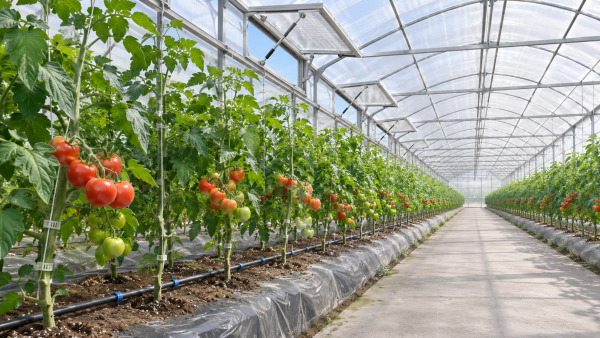
Choosing greenhouse technology solutions requires more than comparing equipment specifications. Local climate, crop requirements, water availability, and operating costs all influence which combination of technologies will perform effectively.
For technical evaluators, the challenge is to assess structures, climate controls, irrigation, and monitoring as an integrated system. The right investment depends on production targets and operating conditions.
Start with the crop’s required environment and the site’s most challenging weather conditions. Then evaluate whether the proposed system can maintain that environment reliably and economically.
What Should Drive the Technology Decision?
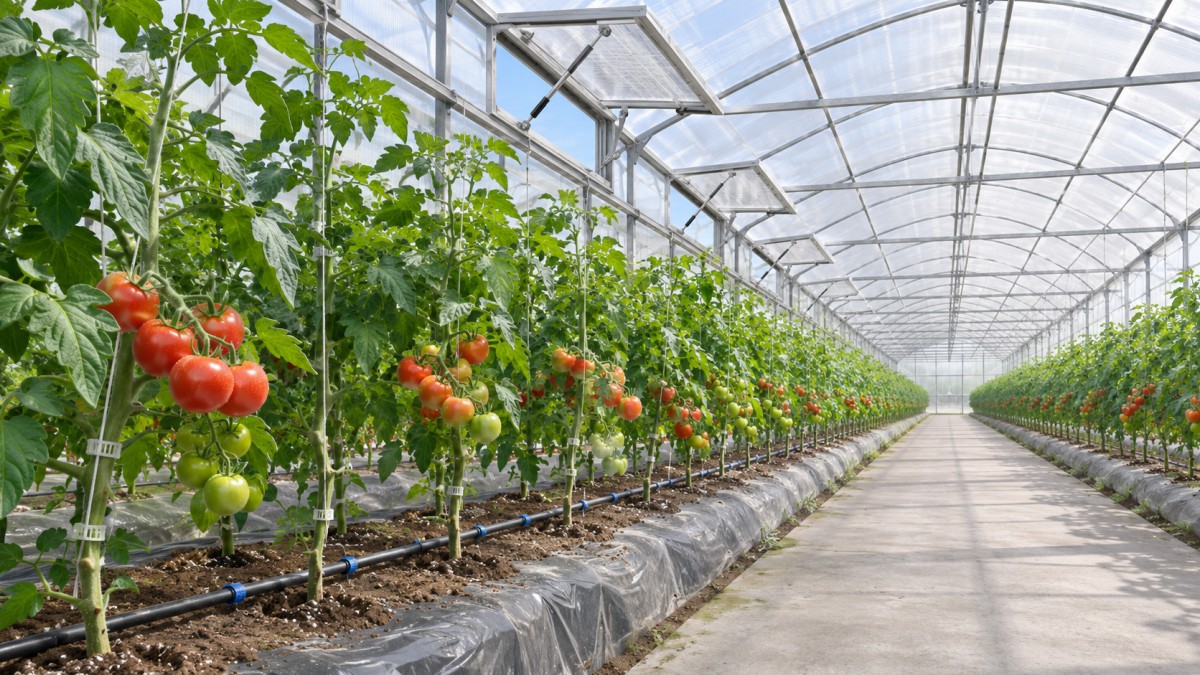
A greenhouse is a production system, so its value depends on saleable output, product quality, resource use, and operational reliability across the intended growing season.
Define the crop, cultivars, production calendar, target yield, quality specifications, and expected market window. A design suitable for seedlings may underperform when used for fruiting crops.
Next, establish the required ranges for temperature, humidity, light, root-zone conditions, and irrigation water quality. Specify acceptable deviations and how long they may persist.
Compare those requirements with local hourly weather data, including seasonal extremes, humidity, solar radiation, wind, and water availability. Monthly averages alone can conceal critical design conditions.
Finally, identify practical constraints: available capital, electricity reliability, labor skills, fuel supply, and access to maintenance. These factors determine whether an apparently capable design can operate consistently.
How Does Local Climate Change the Greenhouse Design?
In cold climates, the central challenge is often maintaining crop temperature while limiting heat loss. Insulated coverings, thermal screens, and appropriately sized heating systems deserve close attention.
Calculate heat demand using the desired indoor temperature, a stated outdoor design temperature, the structure’s heat-loss characteristics, and expected ventilation or infiltration. Request the assumptions behind supplier calculations.
In hot climates, a structure that retains heat can become a liability. Roof ventilation, shading, air movement, and cooling capacity should be evaluated together against peak conditions.
Evaporative cooling can be effective where incoming air is relatively dry. Its performance declines as outdoor humidity rises, and it adds water demand that must be included in planning.
In humid regions, ventilation may remove moisture when outdoor conditions permit, but it can also introduce warm or moist air. Heating and ventilation, or mechanical dehumidification, may be necessary.
Wind, snow, rain intensity, and corrosion exposure also affect structural choices. Ask a qualified local engineer to verify the design against applicable building codes and site conditions.
Which Structure and Covering Fit the Crop?
Compare greenhouse structures by usable growing area, height, ventilation capacity, load resistance, and expansion potential. Higher structures may provide more environmental buffering, but their costs require assessment.
Glass can provide durable, high-light-transmission surfaces, while rigid polycarbonate and polyethylene films offer different combinations of insulation, weight, replacement frequency, and initial cost.
Specifications vary substantially within each material category. Request product-specific data for light transmission, thermal performance, expected service life, fire behavior, and warranty conditions.
Consider how transmission changes with aging, dirt, condensation, and shading systems. A covering with favorable initial figures may deliver different results after several seasons of operation.
Crop height and work practices matter as much as covering choice. Check clearances for trellising, machinery, spraying equipment, maintenance access, and any future automation.
Screen systems can reduce heat loss or solar load when correctly specified. Evaluate how much light they block, how they affect ventilation, and whether condensation can form above them.
How Much Climate Control Does the Crop Need?
Begin with the environmental conditions required to meet quality and timing targets. A robust ventilation and heating package may be sufficient for some seasonal crops and markets.
Higher-value crops, strict supply contracts, or year-round production may justify more precise control. The benefit depends on whether improved consistency offsets energy, equipment, and maintenance costs.
Evaluate heating capacity at the stated design condition, but also ask how the system performs at partial load. Most operating hours may occur outside extreme weather.
For cooling, compare natural ventilation, fans, shade, fogging, and evaporative pads as complete configurations. Their effectiveness depends on structure geometry, humidity, water quality, and control strategy.
Humidity deserves separate attention because temperature control alone does not prevent condensation or disease pressure. Assess vapor pressure deficit alongside crop temperature, leaf wetness, and irrigation practices.
Supplemental lighting can support production during low-light periods, but the decision requires a crop-specific light target, electricity tariff, fixture layout, and assessment of added cooling or heating effects.
Carbon dioxide enrichment may improve production under suitable light and crop conditions. Model its cost and ventilation losses, and include appropriate worker safety monitoring and controls.
Can the Water and Irrigation System Support Production?
Test source water before selecting treatment and irrigation equipment. Relevant parameters may include alkalinity, pH, electrical conductivity, sodium, chloride, suspended solids, and microbial risks.
Interpret results against the crop, growing medium, and irrigation method. High alkalinity, for example, can complicate pH management even when the water’s initial pH seems acceptable.
Estimate peak daily demand for irrigation, cooling, cleaning, and other uses. Include storage capacity and confirm that source reliability meets production needs during dry periods.
Drip irrigation offers targeted delivery for many crops, while ebb-and-flow or other systems may suit particular containers and production layouts. Compare uniformity, maintenance, and sanitation requirements.
Fertigation equipment should provide repeatable dosing across expected flow rates. Specify mixing arrangements, calibration procedures, alarms, backflow protection, and a response plan for dosing failures.
Recirculation can reduce freshwater and nutrient discharge, but it requires monitoring, filtration, and a crop-appropriate pathogen management strategy. Model treatment and disposal costs before assuming savings.
Check local rules for water abstraction and nutrient discharge. Permit conditions and seasonal restrictions can determine whether a technically attractive irrigation design is viable.
What Should Sensors and Automation Actually Control?
Automation is valuable when it turns reliable measurements into timely actions. Define the decisions it must support before selecting dashboards, connectivity features, or proprietary platforms.
At minimum, consider representative measurements of air temperature, humidity, irrigation performance, and relevant water quality. Add light, substrate, leaf-temperature, or other sensors where they inform operational decisions.
Sensor placement affects data quality. Position devices to represent crop conditions, protect them from direct radiation where appropriate, and identify areas likely to experience different microclimates.
Ask suppliers to explain how ventilation, heating, screens, irrigation, and lighting interact. Poorly coordinated controls can cause equipment to work against itself and increase energy use.
Specify alarm thresholds, notification routes, manual overrides, and fail-safe behavior. Operators need a clear response when a sensor fails, communications stop, or a power interruption occurs.
Check data ownership, export formats, access permissions, cybersecurity practices, and integration options. Confirm whether the system can work with existing equipment without costly custom development.
Include sensor calibration, software updates, and staff training in the operating plan. Historical data is useful only when measurements remain trustworthy and someone reviews the results.
How Can Evaluators Compare Suppliers Fairly?
Issue a common set of design assumptions to each supplier, including site weather data, crop targets, growing area, production calendar, utility costs, and water analysis.
Request a system-level proposal showing equipment capacities, expected operating ranges, control logic, utility demands, exclusions, and dependencies. Identify which performance figures are calculated and which are measured.
Compare expected crop conditions during both typical and challenging periods. Ask vendors to explain where the design may fall outside target ranges and what production consequences could follow.
Review equipment compatibility and installation responsibilities, particularly where structures, irrigation, controls, and utilities come from different companies. Interfaces are a frequent source of commissioning delays.
Examine service coverage, spare-parts availability, response times, and technician qualifications. A sophisticated system with limited local support can create substantial downtime during critical production periods.
Seek references from comparable climates and crops, then ask operators about actual reliability, resource consumption, maintenance needs, and any gap between projected and observed performance.
Set acceptance criteria before purchase. These can cover installation checks, control functions, alarm testing, irrigation uniformity, operator training, and documented performance under agreed test conditions.
What Is the Total Cost Over the System’s Life?
Initial equipment prices are only one part of the investment. Compare installed cost, energy, water, labor, consumables, maintenance, replacement parts, financing, and expected equipment life.
Estimate annual revenue from saleable yield and realized prices, including quality losses and seasonal market differences. Avoid treating biological yield as equivalent to marketable production.
For competing designs, calculate the difference in annual operating margin and compare it with the additional installed investment. Simple payback can screen options but ignores timing and residual value.
For larger projects, use discounted cash flow or net present value with an explicit analysis period and discount rate. Include major replacements and any remaining asset value.
Run sensitivity cases for energy prices, crop prices, yield, labor availability, and downtime. A design that performs well only under optimistic assumptions deserves further scrutiny.
For example, a thermal screen may reduce heating demand, but its financial value depends on local weather, fuel prices, operating hours, maintenance, and any effect on crop light.
Likewise, recirculation may reduce water purchases and discharge, yet treatment, monitoring, and disease risk management can materially change the result. Use site-specific data wherever possible.
How Do Different Crop and Climate Scenarios Compare?
A cold-region tomato operation targeting winter supply may prioritize insulation, dependable heating, humidity control, and supplemental lighting. The business case depends heavily on energy prices and seasonal revenue.
A leafy-greens producer in a mild climate may favor natural ventilation, shading, and efficient irrigation for seasonal production. More intensive cooling could be justified by summer supply commitments.
A nursery growing young plants may place particular emphasis on uniform conditions, irrigation reliability, sanitation, and backup power. Small environmental deviations can affect large numbers of plants.
In a hot, dry location, evaporative cooling may support production if sufficient suitable water is available. Its value should be tested against peak water demand and treatment costs.
In a hot, humid location, the same cooling approach may deliver limited temperature reduction while increasing indoor moisture. Ventilation, shading, and humidity management require particular attention.
These examples illustrate decision priorities rather than universal prescriptions. Cultivar selection, local weather, market requirements, and operating expertise can change the preferred configuration.
What Should Happen Before Final Approval?
Build a requirements matrix linking each crop target to proposed equipment, measurable performance, operating assumptions, and verification methods. Record unresolved risks and assign responsibility for closing them.
Review utility capacity, permits, drainage, construction sequencing, and workforce readiness before committing to a schedule. Confirm that the installation can be maintained safely during production.
Where uncertainty remains, consider a pilot zone, staged rollout, or independent engineering review. A smaller evaluation can reveal integration and operating issues before a full-scale commitment.
The strongest greenhouse technology solutions match crop needs and local conditions while remaining practical to operate. Select the proposal with credible performance, manageable risks, and defensible lifetime economics.
Related Intelligence
- Smart GreenhouseChoosing Greenhouse Technology Solutions for Climate and Crop NeedsExplore greenhouse technology solutions tailored to your climate and crops. Compare controls, irrigation, suppliers, and lifetime costs to invest with confidence.
- Smart GreenhouseChoosing a Controlled Environment Agriculture Supplier in Europe: Key CriteriaChoosing a controlled environment agriculture supplier in Europe? Compare design, lifetime costs, compliance and support to make a confident investment.
- Smart GreenhouseChoosing Stainless Steel Smart Greenhouse Systems: Corrosion and ControlsStainless steel smart greenhouse systems need more than a corrosion-resistant frame. Discover how to compare steel grades, controls, integration, and maintenance before you buy.
The Morning Broadsheet
Daily chemical briefings, market shifts, and peer-reviewed summaries delivered to your terminal.
