

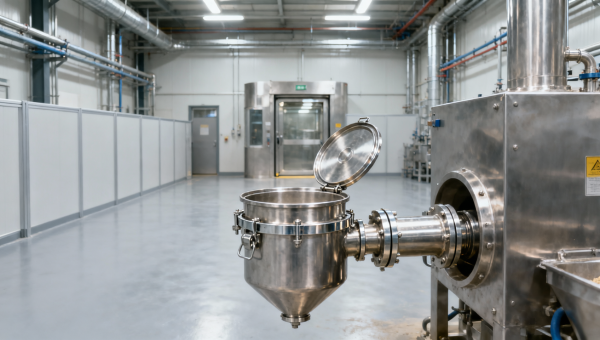
For operators moving agricultural inputs into regulated production, one question is critical: can industrial farming systems integrate with existing GMP lines without compromising product quality?
Integration is possible, but feasibility depends on contamination controls, material traceability, equipment compatibility, and the GMP requirements applicable to the product and processing stage involved.
The strongest projects establish a controlled transfer boundary between agricultural operations and regulated manufacturing, then qualify the interfaces that could affect product quality or safety.
For procurement teams and plant managers, the decision rests on whether the proposed connection preserves process control, provides reliable documentation, and delivers a defensible financial return.
Where Should Farming Operations Connect to a GMP Line?
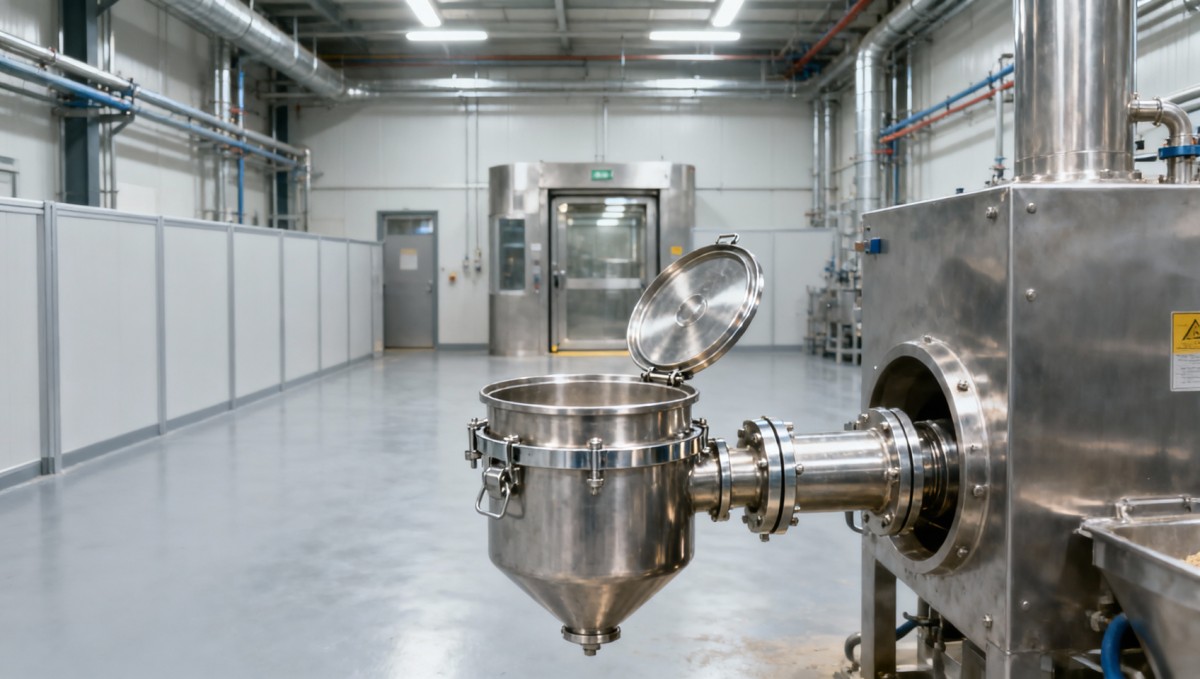
The practical starting point is the material handoff. Identify what enters the existing line, its quality requirements, and which agricultural activities influence those requirements directly.
Industrial farming systems may include controlled-environment cultivation, harvesting machinery, aquaculture infrastructure, grain handling, or biomass preparation. Each creates different contamination risks and equipment integration requirements.
Integration rarely means treating every farm asset as pharmaceutical manufacturing equipment. It usually means connecting defined operations through controlled receiving, preparation, transfer, and release procedures.
A medicinal-plant operation might supply qualified dried biomass to an extraction facility. A grain processor might deliver a specified feedstock to a fermentation-based manufacturing process.
In both cases, the receiving manufacturer needs evidence that incoming materials meet approved specifications and that upstream variability remains manageable within the downstream process design.
For variable agricultural inputs, quarantined batch receiving often offers a manageable starting point. Direct continuous transfer requires stronger evidence that disturbances can be detected and contained.
Which GMP Requirements Actually Apply?
GMP requirements depend on product classification, jurisdiction, intended use, and manufacturing stage. Pharmaceutical APIs, finished medicines, food ingredients, and animal feed do not share identical obligations.
For APIs derived from agricultural materials, define the point where applicable API GMP controls begin. ICH Q7 describes increasing controls as manufacturing advances toward final processing.
Upstream cultivation may also require agricultural or collection practices appropriate to the material and market. Those controls support quality without automatically making cultivation pharmaceutical GMP manufacturing.
In the United States, applicable requirements may include drug CGMP rules, food preventive controls, or animal-food requirements. Determine the relevant framework before finalizing equipment specifications.
Environmental permits and pesticide restrictions require separate assessment. Meeting an environmental obligation does not establish GMP compliance, and GMP controls do not replace environmental approvals.
Quality and regulatory teams should document the product classification, process boundary, applicable obligations, and acceptance criteria before procurement commits to an equipment configuration or integration contract.
Can the Existing Line Control Agricultural Contamination?
Agricultural inputs can carry soil, microorganisms, pesticide residues, mycotoxins, heavy metals, and foreign material. The relevant hazards depend on the crop, location, and production method.
The first feasibility question is whether the existing process can reliably control those hazards. An enclosed conveyor alone cannot compensate for an unsuitable raw-material specification.
Assess people, material, waste, and airflow routes together. Introducing raw biomass near exposed intermediates can create contamination pathways even when the production equipment remains physically separate.
Dust-generating operations deserve particular attention because particles can travel through shared ventilation, equipment openings, clothing, and maintenance activities. Evaluate dust collection and pressure relationships accordingly.
Wet systems create different concerns, including standing water, biofilms, drainage, and microbial growth during storage. Transfer duration and temperature may therefore become critical operating limits.
Cleaning procedures must address actual residues and equipment geometry. Where cleaning validation applies, demonstrate that established methods consistently achieve scientifically justified acceptance limits under representative conditions.
Do not assume later extraction, filtration, or heat treatment removes every contaminant. Demonstrate removal or reduction where relied upon, and control remaining hazards through sourcing specifications.
Dedicated equipment may be appropriate when residues are difficult to remove, product hazards demand segregation, or shared equipment would impose excessive cleaning and scheduling constraints.
Will the Equipment and Utilities Work Together Reliably?
Mechanical fit is only one requirement. Compare throughput, operating pressure, temperature, moisture content, particle size, material compatibility, and cleaning needs across the proposed interface first.
Seasonal harvest surges can exceed a GMP line’s processing capacity. Conversely, interruptions in agricultural supply can leave expensive downstream assets idle or destabilize continuous processes.
A qualified buffer-storage step may absorb this mismatch, provided its capacity, holding time, environmental conditions, and identification controls preserve material quality throughout the intended storage period.
Equipment design reviews should examine product-contact surfaces, seals, inaccessible areas, drainage, lubrication, and maintenance access. Hygienic suitability depends on the specific process and cleaning strategy.
Utilities require equivalent scrutiny. Agricultural wash water, irrigation supplies, or general compressed air should not enter regulated operations without assessing their intended use and required quality.
Control interfaces must also define responses to abnormal conditions. Sensor failure, blocked transfer, utility loss, or communication failure should trigger a documented and appropriate response.
- Confirm that upstream flow rates remain within downstream operating limits.
- Specify backflow prevention and isolation wherever shared services could transmit contamination.
- Verify that weighing, dosing, and measurement devices provide suitable accuracy.
- Define safe shutdown, restart, and material-disposition procedures after interruptions.
- Provide maintenance access without compromising controlled production areas.
Can Every Incoming Lot Be Traced Through Production?
Traceability must connect agricultural source records with receiving lots, processing batches, test results, and disposition decisions. A supplier certificate alone rarely provides the complete picture.
Useful upstream records may include source location, cultivation inputs, harvest date, storage conditions, and transport history. Required detail should follow the material’s identified quality risks.
When several harvest lots enter one manufacturing batch, record their relationships explicitly. When one lot supplies multiple batches, preserve the reverse links for investigation and recall.
Mass-balance reconciliation can expose unexplained losses, substitutions, or recording errors. Set realistic tolerances that account for moisture changes, sampling, waste, and expected processing losses appropriately.
Electronic integration should preserve meaning as well as numbers. Unit conversions, timestamps, lot identifiers, specification versions, and release status must remain consistent between connected systems.
Assess applicable electronic-record requirements, including 21 CFR Part 11 where relevant. Software connectivity alone does not establish compliant records, reliable audit trails, or effective access controls.
Supplier agreements should define specifications, testing responsibilities, change notification, deviations, and record access. Supplier qualification and verification testing should reflect risk and applicable regulatory requirements.
What Qualification and Change Control Are Needed?
Connecting new agricultural equipment can affect an established validated process. Open formal change control early enough to assess consequences before installation creates expensive design constraints.
The assessment should identify affected products, facilities, utilities, software, cleaning procedures, and documents. It should also determine whether regulatory submissions or customer notifications require attention.
Qualification scope should follow documented risk and intended use. A simple receiving modification and a direct automated feed connection will require different levels of evidence.
- Define requirements: Specify material attributes, capacity, quality limits, documentation, cleaning needs, and interface behavior.
- Assess design: Check contamination pathways, equipment suitability, utility capacity, and failure responses before fabrication.
- Verify installation and operation: Establish that equipment is installed correctly and operates throughout its specified range.
- Demonstrate process performance: Where required, show consistent results using representative materials and justified operating conditions.
- Authorize routine use: Complete procedures, training, maintenance planning, and quality review before operational release.
Factory and site acceptance testing can provide useful evidence when planned appropriately. They do not automatically replace qualification activities or establish that the manufacturing process remains validated.
Challenge studies should address credible variability: high moisture, maximum loading, extended holding, and interruptions. Choose conditions through risk assessment rather than relying only on ideal batches.
After startup, trend incoming quality, process deviations, cleaning results, and yields. Use those data to confirm assumptions and adjust controls through the established quality system.
When Does Integration Make Financial Sense?
The business case should compare total operating cost and risk across feasible options. Equipment purchase price captures only part of what a regulated integration project requires.
Include facility modifications, downtime, qualification, laboratory testing, software configuration, training, maintenance, and cleaning. Account for additional quality staffing or supplier oversight where these become necessary.
Potential gains include reduced handling, shorter lead times, improved batch visibility, and fewer transfer losses. Quantify each benefit against current performance using realistic operating assumptions.
Evaluate variability as carefully as average output. A cheaper agricultural input can increase total cost if inconsistent composition reduces yield or creates frequent quality investigations.
Compare direct connection with controlled receiving or a dedicated preparation area. The best option depends on throughput, contamination risk, available space, and production scheduling requirements.
A phased pilot can resolve uncertainty before major investment. Agree on measurable success criteria, including material conformity, stable throughput, traceability completeness, and acceptable cleaning performance.
How Should Buyers Make the Final Decision?
Industrial farming systems can integrate with existing GMP lines when the material boundary, contamination controls, equipment interfaces, and supporting records satisfy the applicable manufacturing requirements.
Proceed when quality risks have effective controls, qualification evidence supports intended use, and the business case includes ongoing compliance costs alongside expected productivity and supply benefits.
Redesign or defer projects when incoming variability exceeds process capability, contamination routes remain unresolved, or suppliers cannot provide the records needed for reliable material disposition.
The decisive question is whether the combined operation can consistently deliver acceptable material and verifiable records. That evidence makes integration operationally useful and commercially defensible.
