

The Authority in Global Agricultural Chemistry & Bio-Resources
How to choose Agri & Forestry machinery manufacturers wisely
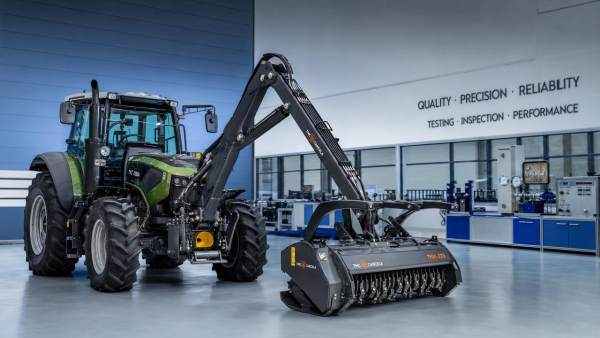
Choosing Agri & Forestry machinery manufacturers wisely is no longer just about comparing prices or product catalogs. For industrial buyers, the real decision involves technical durability, compliance, output consistency, after-sales support, and supply chain visibility.
In sectors where uptime affects yield, safety, and cost recovery, weak supplier selection can create lasting operational losses. This guide explains how to assess Agri & Forestry machinery manufacturers with a practical, risk-aware framework.
What should define a reliable Agri & Forestry machinery manufacturer?
A reliable supplier is not defined by scale alone. The best Agri & Forestry machinery manufacturers combine engineering strength, documented quality systems, stable lead times, and responsive technical service.
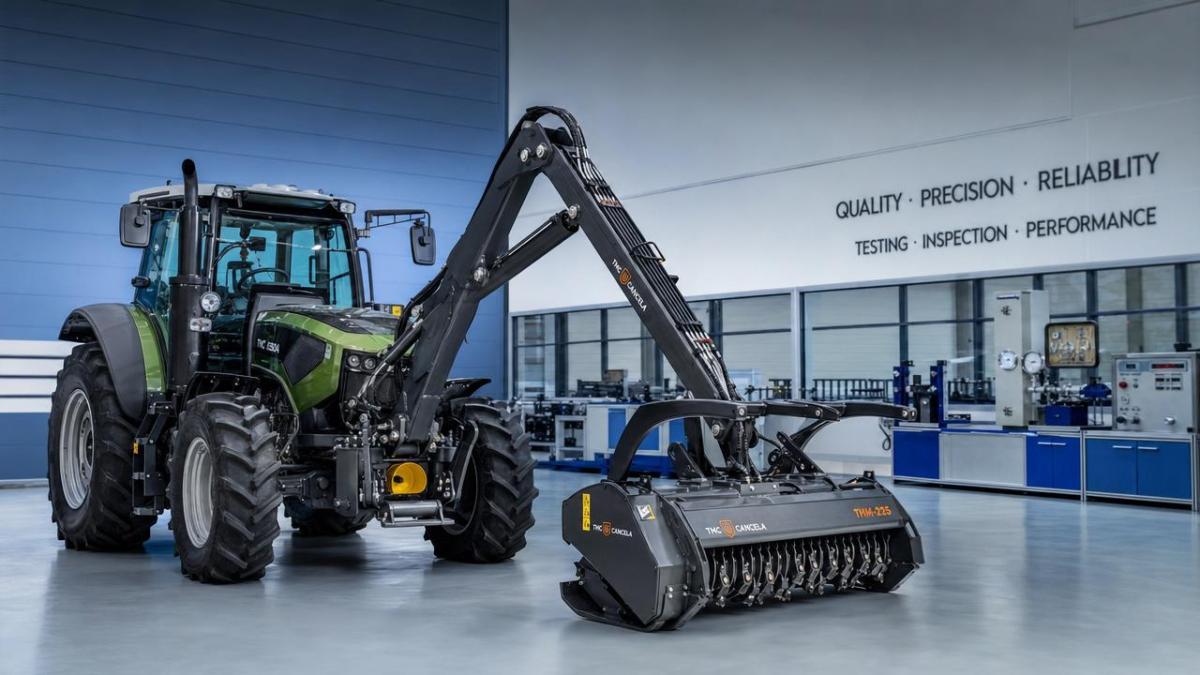
A credible manufacturer should show clear product specialization. That may include tractors, harvesters, sprayers, log loaders, chippers, mulchers, or precision forestry equipment.
Specialization matters because machinery used in farming and forestry faces different stress loads, terrain conditions, fuel requirements, and operator safety expectations.
Strong Agri & Forestry machinery manufacturers also provide traceable components. Engines, hydraulics, transmissions, control units, and wear parts should come from known and documented sources.
Another key indicator is factory transparency. If a supplier avoids sharing process controls, testing methods, or assembly standards, that is an immediate warning sign.
- Documented production workflow
- Consistent material sourcing records
- Final inspection procedures
- Field performance validation
- Spare parts planning
How can product quality and compliance be verified before ordering?
The safest approach is to verify both paperwork and physical capability. Quality claims should be backed by inspections, certifications, and evidence from real operating environments.
For Agri & Forestry machinery manufacturers, common checkpoints include ISO-based quality systems, welding consistency, emissions compliance, safety guarding, and operator control integrity.
Documentation alone is not enough. A factory audit, remote line review, or third-party verification often reveals whether the production process matches the official specification.
Which records are worth checking?
- Technical drawings and revision history
- Inspection reports for frames, hydraulics, and power systems
- Load test or endurance test data
- Emission and safety compliance declarations
- Warranty terms and failure response procedures
When evaluating Agri & Forestry machinery manufacturers, ask how often they update product designs. Frequent updates without stable testing may create hidden maintenance challenges.
It is equally important to confirm whether replacement parts remain compatible across model generations. That affects service continuity and long-term fleet cost.
How do you compare manufacturers beyond price?
Price is visible, but total cost is deeper. Low-cost equipment can become expensive if fuel use is high, downtime is frequent, or spare parts arrive slowly.
The better comparison method is lifecycle value. That means measuring acquisition cost against durability, maintenance interval, efficiency, training needs, and resale potential.
Leading Agri & Forestry machinery manufacturers usually stand out through lower service interruptions, stronger local support options, and better parts forecasting.
A useful shortlist often includes three to five Agri & Forestry machinery manufacturers. This allows structured comparison without losing detail or slowing the sourcing cycle.
What risks are often missed when selecting Agri & Forestry machinery manufacturers?
One common mistake is assuming export experience equals product reliability. Some suppliers ship globally yet still depend on inconsistent subcontractors or limited internal testing.
Another overlooked issue is over-customization. Tailored features may sound attractive, but highly unique builds can complicate maintenance, certification, and spare parts planning.
Frequent selection errors
- Choosing by unit price only
- Ignoring dealer or service network quality
- Skipping sample inspection or trial operation
- Accepting vague warranty language
- Not reviewing lead-time risk for critical components
Environmental and safety compliance can also be underestimated. Agri & Forestry machinery manufacturers serving different markets may use different standards for brakes, lighting, guarding, and emissions.
If intended use includes rough terrain, dense timber zones, wet ground, or high seasonal intensity, then duty-cycle suitability must be tested carefully.
Machines that perform well in brochures may fail under local conditions. Request application videos, field references, or pilot deployment records whenever possible.
How important are supply chain stability and after-sales capabilities?
They are essential. Even well-built machines lose value quickly if replacement parts, software updates, or service guidance are difficult to obtain.
The most dependable Agri & Forestry machinery manufacturers support equipment through the full operating lifecycle, not only through shipment and installation.
Ask whether key components are dual-sourced. If a single engine supplier, axle provider, or electronics vendor fails, production delays may affect future orders and spare support.
After-sales maturity can be measured through service documentation, technical response speed, digital diagnostics, parts stock planning, and training materials.
Signs of strong long-term support
- Parts lists with clear codes and revision control
- Response commitments for urgent breakdowns
- Operator and maintenance training resources
- Availability of consumables and wear kits
- Technical contacts who understand field conditions
In practical terms, reliable Agri & Forestry machinery manufacturers help reduce hidden ownership costs. They also protect planning certainty during peak harvest or logging windows.
What is the smartest evaluation process before making a final choice?
A structured process lowers risk. It also makes supplier comparison more objective, especially when several Agri & Forestry machinery manufacturers appear similar at first glance.
Start with technical fit. Confirm capacity, terrain suitability, power requirements, and attachment compatibility before discussing price or payment terms.
Then move to factory capability. Review production lead times, quality controls, subcontractor dependence, and previous exports to comparable regulatory markets.
Next, score commercial and service factors using a weighted matrix. This often reveals the difference between attractive offers and resilient supplier partnerships.
This method works well across the broader industrial landscape too. It reflects the same evidence-based discipline used in chemicals, processing, and regulated equipment sourcing.
For organizations following sector intelligence from AgriChem Chronicle, that consistency matters. Strong sourcing decisions rely on validated manufacturing capability, technical clarity, and transparent performance signals.
Final takeaway: how to choose Agri & Forestry machinery manufacturers wisely
The best Agri & Forestry machinery manufacturers are not simply the cheapest or most visible. They are the ones that can prove engineering quality, compliance discipline, service readiness, and supply continuity.
A smart decision starts with application needs, then moves through technical verification, lifecycle cost review, and after-sales support analysis. Each step reduces sourcing uncertainty.
Before committing, build a comparison sheet, request test evidence, review parts support, and confirm factory credibility. That process helps turn supplier selection into a long-term operational advantage.
When evaluating Agri & Forestry machinery manufacturers, disciplined research always outperforms assumptions. Better evidence today usually means fewer failures, lower downtime, and stronger returns tomorrow.
Related Intelligence
- Forestry EquipmentChoosing Compact Forestry Machinery for Small Woodlots and Narrow AccessChoose compact forestry machinery that fits small woodlots and narrow access. Compare payload, turning clearance, safety, and running costs to find the right machine for your site.
- Forestry EquipmentAre PTO driven wood chipper vibration levels within ISO 5349-1 hand-arm exposure limits for forestry crews?PTO driven wood chipper vibration often exceeds ISO 5349-1 limits—discover real-world data, actionable mitigation strategies, and how to protect forestry crews now.
- Forestry EquipmentSelecting Timber Processing Equipment for Middle East Heat, Dust, and Wood SpeciesTimber processing equipment for Middle East operations: discover how to select heat-resistant, dust-protected, species-matched systems for reliable output and lower downtime.
The Morning Broadsheet
Daily chemical briefings, market shifts, and peer-reviewed summaries delivered to your terminal.
