

The Authority in Global Agricultural Chemistry & Bio-Resources
Vietnam Updates Banned & Disclosed Substances List for Pesticides: SDS Updates Required Within 72 Hours
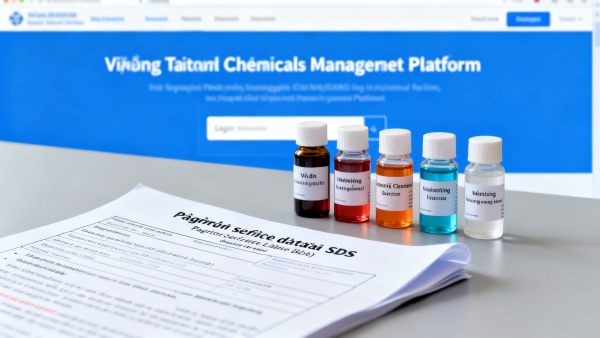
Vietnam’s Ministry of Agriculture and Rural Development issued a revised national list of banned and mandatorily disclosed substances for agrochemicals on 25 May 2026—triggering urgent compliance actions for exporters, formulators, and distributors serving the Vietnamese market.
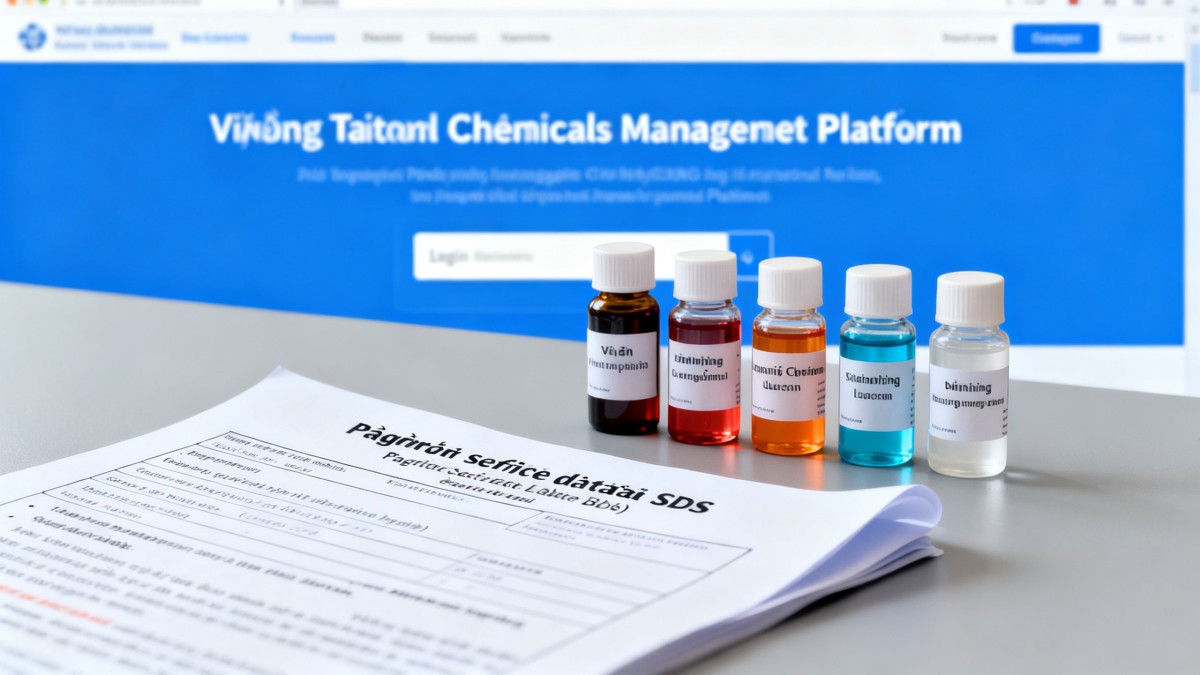
Regulatory Update: New Ban and SDS Mandate Effective Immediately
On 25 May 2026, Vietnam’s Ministry of Agriculture and Rural Development officially released the updated List of Banned and Mandatory Disclosure Substances for Agricultural Chemicals. The revision adds five organophosphate metabolites and three triazole derivatives to the banned substances category. Concurrently, the regulation requires all commercially available agrochemical products to submit Vietnamese-language Safety Data Sheets (SDS) to the National Chemicals Management Platform within 72 hours of the list’s publication. Failure to comply results in immediate suspension of customs clearance eligibility for affected products.
Impact Across the Agrochemical Value Chain
Exporters and Trading Companies
Direct trade enterprises face immediate operational risk: delayed or incomplete SDS submissions will halt import clearance at Vietnamese ports. This affects shipment scheduling, inventory turnover, and contractual delivery obligations—particularly for time-sensitive seasonal crop protection products.
Raw Material Suppliers
Suppliers of active ingredients—including manufacturers of organophosphate intermediates or triazole precursors—must now verify whether their compounds appear on the newly banned list. Any inclusion may necessitate reformulation, retesting, or discontinuation of supply contracts tied to Vietnamese-market formulations.
Formulators and Manufacturing Facilities
Agrochemical processing plants must urgently audit existing product portfolios against the updated list. Reformulation timelines, stability testing, and registration dossier updates may be triggered—not only for new registrations but also for legacy products still under active commercialization.
Logistics and Regulatory Compliance Service Providers
Supply chain service firms—including SDS localization vendors, customs brokers, and regulatory consultants—must scale capacity for rapid Vietnamese-language SDS generation, technical validation, and platform upload. Demand for certified translation and GHS-compliant formatting is expected to surge across Q3 2026.
Key Compliance Priorities for Enterprises
Immediate SDS Localization and Platform Submission
All SDS documents must be fully translated into Vietnamese—not merely machine-translated—and technically validated for accuracy in hazard classification, first-aid measures, and handling instructions. Upload must occur via the official National Chemicals Management Platform before the 72-hour deadline expires.
Product Portfolio Screening Against Updated Banned Substances
Companies must cross-check active ingredients, co-formulants, and known metabolites against both the newly listed organophosphate metabolites and triazole derivatives. Internal toxicological assessments or third-party verification may be needed where metabolic pathways are non-obvious.
Supplier Communication and Documentation Traceability
Downstream users must request updated SDS and substance declarations from upstream suppliers—especially for multi-tiered formulations—to ensure full traceability and avoid inadvertent inclusion of banned components through raw material sourcing.
Industry Observation: Tighter Timelines Signal Evolving Regulatory Maturity
Analysis shows that Vietnam’s 72-hour SDS update requirement reflects a broader regional shift toward real-time regulatory responsiveness—not just static registration compliance. Observably, this move prioritizes transparency and rapid risk mitigation over procedural leniency. What deserves closer attention is how enforcement consistency will evolve: while the mandate is clear, interpretation of ‘commercially available’ status, acceptable translation standards, and platform system uptime remain subject to practical implementation. From an industry perspective, this signals growing expectations for agile regulatory operations—particularly among ASEAN markets adopting more dynamic chemical governance models.
Taking Stock: A Milestone in Market Access Discipline
This update marks a decisive step toward harmonizing Vietnam’s agrochemical oversight with international best practices—emphasizing proactive disclosure, linguistic accessibility, and enforceable timelines. It does not represent an expansion of banned substances on an absolute scale, but rather a refinement of enforcement mechanisms. For global suppliers, it underscores that market access now hinges as much on documentation agility as on product efficacy or registration completeness.
Source Attribution and Verification Guidance
This article synthesizes information provided in the user input—including the event title, date (25 May 2026), and official summary. Specific official source links were not provided in the input and should be verified continuously. Stakeholders are advised to monitor updates from Vietnam’s Ministry of Agriculture and Rural Development, the National Chemicals Management Platform portal, and subsequent guidance on implementation scope, transitional provisions, and technical specifications for SDS submissions.
Related Intelligence
- Smart GreenhouseGreenhouse Equipment for Vertical Farming: Choosing Lighting and VentilationChoose greenhouse equipment for vertical farming with confidence. Compare lighting, airflow, and moisture control to improve crop uniformity and manage costs. Explore the guide.
- Forestry EquipmentChoosing Compact Forestry Machinery for Small Woodlots and Narrow AccessChoose compact forestry machinery that fits small woodlots and narrow access. Compare payload, turning clearance, safety, and running costs to find the right machine for your site.
- APIs & IntermediatesProcurement Planning: Which Resource Reports Help Prevent Material Shortages?Discover how procurement planning resource reports reveal usable stock, shortage dates, and supplier risks so you can prevent material shortages and keep production on track.
The Morning Broadsheet
Daily chemical briefings, market shifts, and peer-reviewed summaries delivered to your terminal.
