

The Authority in Global Agricultural Chemistry & Bio-Resources
First Wave of International Feed Additive Procurement Needs Released
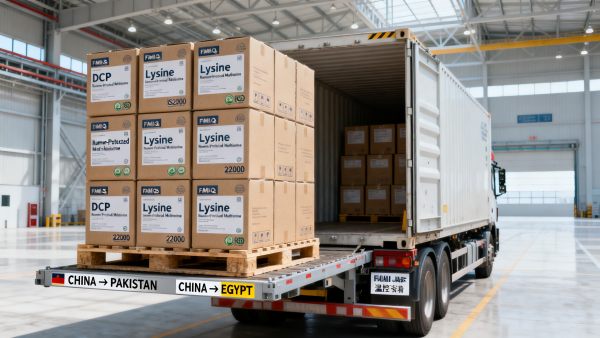
The first batch of international procurement demands for feed additives and animal health products was announced by VIV SELECT CHINA 2026 on May 26; the exact event date of the underlying demand generation was not specified. This development signals growing cross-border sourcing activity in the global animal nutrition sector, driven by evolving regulatory frameworks, certification requirements, and trade facilitation efforts in key emerging markets.
Confirmed International Procurement Requirements
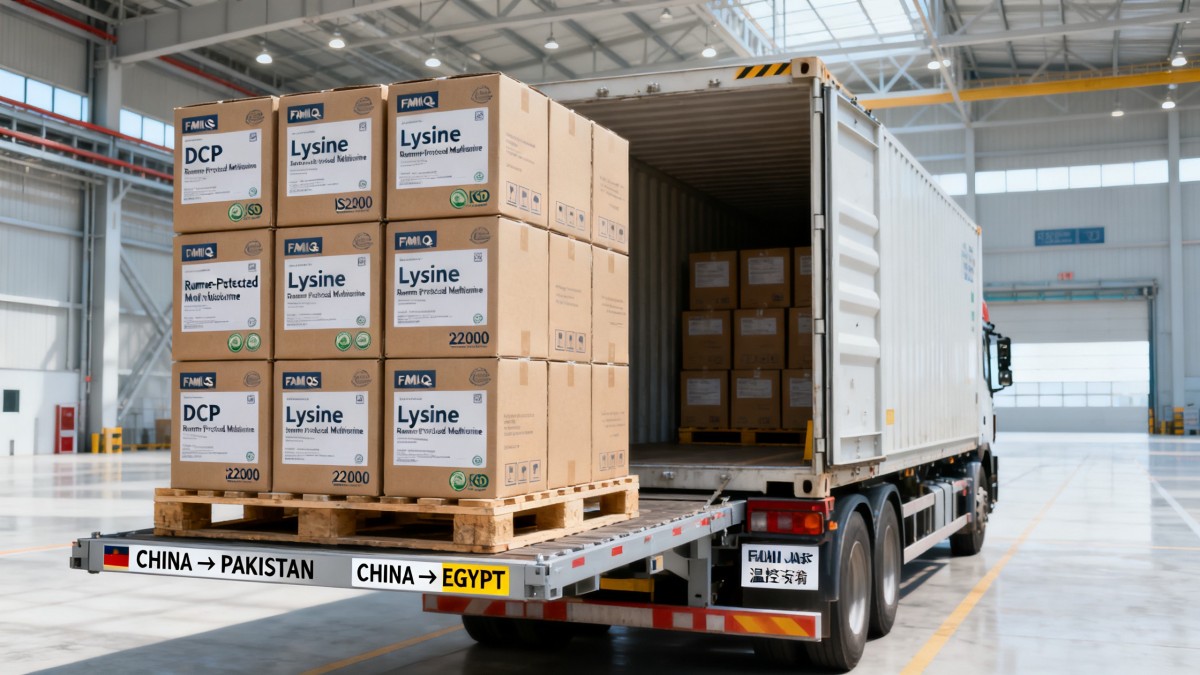
VIV SELECT CHINA 2026 unveiled its inaugural list of overseas buyer needs on May 26. Key requests include:
- Pakistan-based U.M. Enterprises seeks DCP (Dicalcium Phosphate), lysozyme, lysine, enramycin, and veterinary vaccines, with an estimated annual procurement budget of USD 500,000–800,000;
- A professor from Cairo University (Egypt) is procuring rumen-protected methionine and other dairy-cow-specific feed additives, with an annual volume requirement of 40 metric tons;
- Demand spans the full value chain — from agrochemicals and food-grade enzymes to commercial feed pellets.
No additional buyers (e.g., from Morocco) or technical specifications beyond those listed were confirmed in the source material.
Impact Across Supply Chain Roles
Export-oriented trading companies
These firms face immediate pressure to align export documentation, labeling, and packaging with destination-country regulatory expectations — especially for veterinary vaccines and antimicrobial agents like enramycin, which are subject to tightening import controls in Pakistan and Egypt.
Raw material suppliers
Suppliers of core inputs such as DCP and synthetic amino acids must verify whether their production facilities meet international Good Manufacturing Practice (GMP) standards recognized by importing authorities — a prerequisite for inclusion in formal tender processes.
Feed additive manufacturers
Manufacturers of lysozyme, rumen-protected methionine, and other functional ingredients need to ensure product dossiers include validated stability data, residue studies, and compliance certifications (e.g., FAMI-QS, ISO 22000) relevant to food-grade enzyme and feed safety regulations in target markets.
Logistics and certification support providers
Third-party service providers — including those offering halal certification, phytosanitary verification, and customs brokerage for agricultural goods — are seeing rising demand for end-to-end compliance coordination, particularly for shipments requiring temperature-controlled handling or multi-stage regulatory clearance.
Key Operational Priorities for Suppliers
Regulatory and certification readiness
Suppliers targeting U.M. Enterprises and Cairo University must confirm whether their products hold valid registration under Pakistan’s Drug Regulatory Authority (DRAP) and Egypt’s Veterinary Drug Registration system — especially critical for vaccines and antimicrobials.
Technical specification alignment
Requirements for rumen-protected methionine imply strict performance benchmarks (e.g., intestinal release rate ≥90%, pH-dependent solubility profile). Manufacturers should prepare comparative dissolution test reports and third-party validation summaries aligned with FAO/WHO guidelines for protected amino acids.
Supply planning and delivery capacity
With Cairo University specifying an annual volume of 40 tonnes, suppliers must assess scalability, shelf-life logistics, and batch consistency — particularly for heat-sensitive enzymes like lysozyme, where storage conditions directly impact efficacy claims.
Documentation rigor for tender participation
Bid submissions will likely require certified analytical reports (e.g., HPLC for lysine purity), GMP audit certificates, and proof of adherence to Codex Alimentarius standards for food-grade enzymes — all translated into English and notarized per bilateral trade protocols.
Industry Perspective: Beyond Transactional Demand
Analysis shows this procurement wave reflects more than isolated purchasing intent — it signals a structural shift toward institutionalized, science-led sourcing in key livestock markets. From an industry perspective, the involvement of academic institutions (e.g., Cairo University) suggests growing emphasis on evidence-based ration formulation and traceable input quality. What deserves closer attention is the implicit tightening of technical entry thresholds: rumen protection efficacy, vaccine stability under tropical transport conditions, and lysozyme activity retention post-pelleting are no longer optional differentiators but baseline qualification requirements. Observably, manufacturers able to demonstrate compliance with both regional regulatory mandates and internationally accepted feed safety benchmarks will gain disproportionate access to these high-intent procurement channels.
Taking Stock: Strategic Implications
This initial demand release does not constitute a binding procurement process, nor does it reflect finalized national import policies. Rather, it serves as an early indicator of market readiness and technical expectations across three strategically important regions. For industry stakeholders, the priority lies not in reacting to individual line items, but in strengthening foundational capabilities — regulatory intelligence infrastructure, technical dossier management systems, and agile certification pathways — that enable responsive, compliant engagement when formal tenders emerge.
Source Information and Verification Notes
This article is based exclusively on the user-provided title, event date (May 26 announcement), and event summary. Specific official source links were not provided in the input and should be verified continuously. Stakeholders are advised to monitor upcoming updates from VIV SELECT CHINA 2026, national veterinary drug authorities in Pakistan and Egypt, and FAO’s Animal Production and Health Division for clarifications on registration timelines, certification reciprocity, and tender issuance schedules.
Related Intelligence
- Smart GreenhouseGreenhouse Equipment for Vertical Farming: Choosing Lighting and VentilationChoose greenhouse equipment for vertical farming with confidence. Compare lighting, airflow, and moisture control to improve crop uniformity and manage costs. Explore the guide.
- Forestry EquipmentChoosing Compact Forestry Machinery for Small Woodlots and Narrow AccessChoose compact forestry machinery that fits small woodlots and narrow access. Compare payload, turning clearance, safety, and running costs to find the right machine for your site.
- APIs & IntermediatesProcurement Planning: Which Resource Reports Help Prevent Material Shortages?Discover how procurement planning resource reports reveal usable stock, shortage dates, and supplier risks so you can prevent material shortages and keep production on track.
The Morning Broadsheet
Daily chemical briefings, market shifts, and peer-reviewed summaries delivered to your terminal.
