

The Authority in Global Agricultural Chemistry & Bio-Resources
EU Raises Steel Import Tariffs to 50%, Impacting Agricultural Machinery and Greenhouse Structures
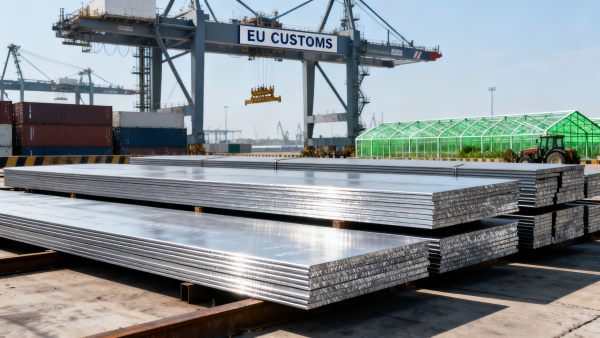
On 21 May 2026, the European Union announced a sharp increase in import tariffs on key steel products to 50%, directly affecting manufacturers and exporters of agricultural machinery, greenhouse structural frameworks, and grain storage systems.
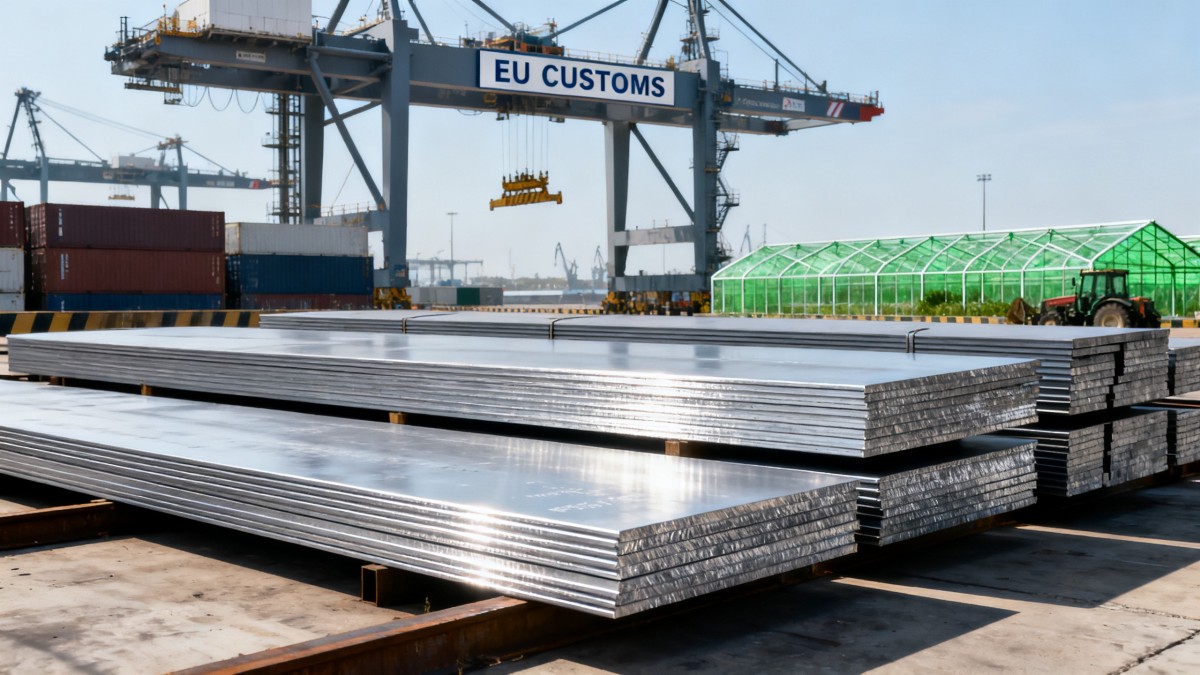
EU Announces 50% Steel Tariff Effective 21 May 2026
The European Commission confirmed on 21 May 2026 that import duties on hot-rolled steel plates and structural steel products would rise to 50%. The measure applies to all third-country imports of these steel categories, which serve as foundational materials for heavy-duty agricultural equipment, intelligent greenhouse frames, and modular grain silo structures.
Supply Chain and Market Participants Affected
Export-oriented manufacturing firms
Manufacturers exporting tractors, harvesters, and automated greenhouse systems face immediate cost pressure: raw material input costs—particularly for load-bearing steel components—will rise significantly, compressing margins unless price adjustments are passed on to buyers. This may delay order confirmations, especially for fixed-price contracts with African, Middle Eastern, and Eastern European clients.
Raw material procurement teams
Purchasing departments must now reassess global sourcing strategies. With EU-bound shipments subject to steep duties, alternative suppliers outside tariff-affected jurisdictions—or certified EU-based steel processors—may be prioritized, requiring updated vendor qualification and traceability documentation.
Contract manufacturers and OEMs
Firms assembling steel-intensive equipment face dual challenges: recalibrating bill-of-materials (BOM) cost models and verifying compliance with evolving EU customs classification rules (e.g., HS codes 7210–7212). Structural steel components previously classified under lower-tariff headings may now fall within the newly expanded scope.
Logistics and trade compliance service providers
Freight forwarders, customs brokers, and certification consultants report rising demand for origin verification support, preferential tariff eligibility assessments (e.g., under GSP or regional agreements), and post-clearance audit readiness—especially for shipments transiting through EU ports or bonded warehouses.
Key Operational Priorities for Exporters
Review steel component origin and HS code classification
Verify whether current steel inputs qualify for exemptions or reduced rates under existing trade agreements—and ensure harmonized system (HS) coding aligns precisely with EU’s updated tariff schedule for structural and hot-rolled products.
Update technical tender specifications and compliance documentation
For ongoing and upcoming tenders in Africa, the Middle East, and Eastern Europe, clarify whether steel grade certifications (e.g., EN 10025, EN 1090-1), mill test reports, and CE marking requirements remain unchanged—or whether new conformity assessment pathways apply due to tariff-driven supply chain shifts.
Adjust delivery timelines and procurement planning
Extended customs clearance times and potential reclassification reviews may lengthen lead times. Procurement schedules for steel-dependent subassemblies should now include buffer periods and dual-sourcing options to mitigate delays in project execution.
Evaluate export risk allocation in commercial terms
Reassess Incoterms® usage—particularly DAP and DDP clauses—for EU-related shipments. Clarify responsibility for tariff payments, origin certification, and post-import compliance in sales contracts to avoid disputes with overseas buyers.
Industry Perspective: Beyond Cost, a Shift in Sourcing Logic
Analysis shows this tariff revision is not merely a pricing adjustment but signals a broader recalibration of EU industrial policy toward strategic material security. From an industry perspective, what deserves closer attention is how rapidly downstream sectors—including agri-tech equipment makers and controlled-environment agriculture infrastructure providers—are adapting their supplier qualification cycles and local content strategies. Observably, manufacturers with pre-qualified EU steel partners or in-house fabrication capacity for critical frames and supports are gaining competitive advantage—not only on cost but on delivery certainty and regulatory transparency.
Strategic Implications for Global Equipment Suppliers
This measure underscores the growing interdependence between trade policy and engineering procurement. For exporters, it reinforces that tariff exposure is no longer confined to final goods—it cascades into design decisions, material selection criteria, and even product modularity. A rational interpretation is that long-term competitiveness will increasingly hinge on integrated compliance planning—not just at the shipment level, but across R&D, sourcing, and technical documentation workflows.
Source Information and Verification Notes
This article was generated exclusively from the user-provided information: title, event date (21 May 2026), and summary. Specific official source links were not provided in the input and should be verified continuously. Stakeholders are advised to monitor updates from the European Commission’s Directorate-General for Trade, EU Official Journal notices, and national customs authorities for implementing regulations, tariff application guidance, and possible exclusions or transitional arrangements. Continued observation is recommended regarding technical specification revisions in public tenders, industry association responses, and certification body advisories.
Related Intelligence
- Smart GreenhouseGreenhouse Equipment for Vertical Farming: Choosing Lighting and VentilationChoose greenhouse equipment for vertical farming with confidence. Compare lighting, airflow, and moisture control to improve crop uniformity and manage costs. Explore the guide.
- Forestry EquipmentChoosing Compact Forestry Machinery for Small Woodlots and Narrow AccessChoose compact forestry machinery that fits small woodlots and narrow access. Compare payload, turning clearance, safety, and running costs to find the right machine for your site.
- APIs & IntermediatesProcurement Planning: Which Resource Reports Help Prevent Material Shortages?Discover how procurement planning resource reports reveal usable stock, shortage dates, and supplier risks so you can prevent material shortages and keep production on track.
The Morning Broadsheet
Daily chemical briefings, market shifts, and peer-reviewed summaries delivered to your terminal.
