

The Authority in Global Agricultural Chemistry & Bio-Resources
New Maritime Code Shifts No-Pickup Liability to Shippers
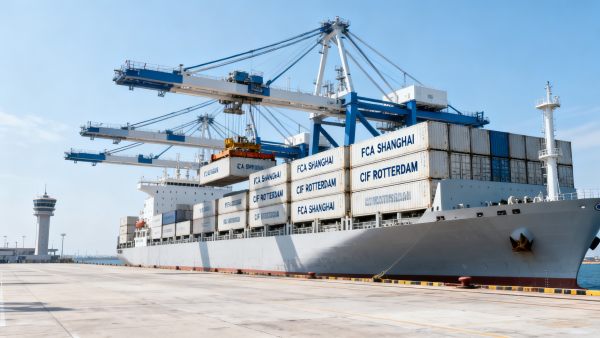
Effective May 1, 2026, the revised People’s Republic of China Maritime Code introduces a significant change in liability allocation for unclaimed cargo at discharge ports—shifting primary responsibility from consignees to shippers. This development is particularly relevant for exporters of agrochemical intermediates, natural extracts, and feed additives, where high-value goods and extended delivery chains amplify operational and contractual risk exposure.
Event Overview
On May 1, 2026, the newly amended Maritime Code of the People’s Republic of China enters into force. Article 93 explicitly assigns first-liability for unclaimed cargo at the port of discharge to the shipper—not the consignee—as was previously standard under prior provisions. This revision is publicly confirmed and published in the official legislative text promulgated by the National People’s Congress Standing Committee.
Industries Affected by the Change
Export-oriented manufacturing enterprises
These include producers of agrochemical intermediates, natural plant extracts, and feed additives. They are directly affected because they typically act as shippers under export contracts (e.g., FOB or CIF terms), and now bear legal liability if overseas importers fail to take delivery—even when shipment complies fully with trade documentation and timing requirements.
International trading companies handling DDP/DDU deliveries
Under DDP (Delivered Duty Paid) or DDU (Delivered Duty Unpaid) arrangements, Chinese suppliers often assume full control over logistics up to final destination. The new provision increases their exposure to demurrage, storage costs, customs penalties, and cargo disposal liabilities arising from consignee non-performance—without corresponding contractual safeguards in many existing agreements.
Supply chain service providers (freight forwarders, NVOCCs)
While not legally defined as ‘shippers’ under the Code unless named as such in the bill of lading, these intermediaries may face downstream claims or indemnity demands from shippers seeking to recover losses. Their role in coordinating documentation, customs clearance, and inland transport means they must now verify shipper-consignee alignment on delivery readiness before vessel departure.
Key Considerations and Practical Responses
Review and revise Incoterms® usage in active contracts
Shippers should assess whether current use of DDP/DDU—especially in markets with historically low import compliance rates—still aligns with risk appetite. Transitioning to FCA, CPT, or CIF, where risk transfers earlier in the chain, may reduce exposure. Contractual clauses assigning liability for consignee non-cooperation must be updated accordingly.
Strengthen pre-shipment coordination with overseas buyers
Confirm consignee’s import licensing status, customs broker engagement, and warehouse capacity prior to loading. Where feasible, require written acknowledgment of delivery readiness—including estimated time of arrival (ETA) acceptance—from the consignee before vessel departure. Documented communication may support mitigation arguments in disputes.
Update internal risk management protocols
Integrate cargo-handling liability assessments into credit review and order acceptance workflows. For high-value or long-lead-time shipments, consider requiring advance payment milestones or letters of guarantee from consignees—or explore cargo insurance extensions covering ‘no-pickup’ scenarios, though coverage availability remains limited and policy wording requires careful review.
Monitor implementation guidance and judicial interpretation
No official administrative regulations or Supreme People’s Court judicial interpretations have yet been issued to clarify thresholds for ‘shipper liability’, defenses (e.g., force majeure, consignee fraud), or enforcement mechanisms. Observably, early court rulings and customs authority practice will shape practical application—making close tracking of case law and local port-level enforcement critical in 2026–2027.
Editorial Observation / Industry Perspective
This amendment is best understood not as an immediate operational disruption, but as a structural recalibration of risk ownership in cross-border maritime trade. Analysis shows it reflects broader regulatory intent to strengthen accountability among Chinese export entities—particularly in sectors where supply chain opacity and fragmented buyer-side compliance have contributed to port congestion and cost externalization. It functions primarily as a legal signal: one that incentivizes tighter upstream due diligence, more precise contract design, and proactive alignment between shippers and overseas partners. The actual impact will depend heavily on how consistently courts and port authorities apply Article 93—and whether parallel updates follow in related frameworks (e.g., Customs Law enforcement guidelines).
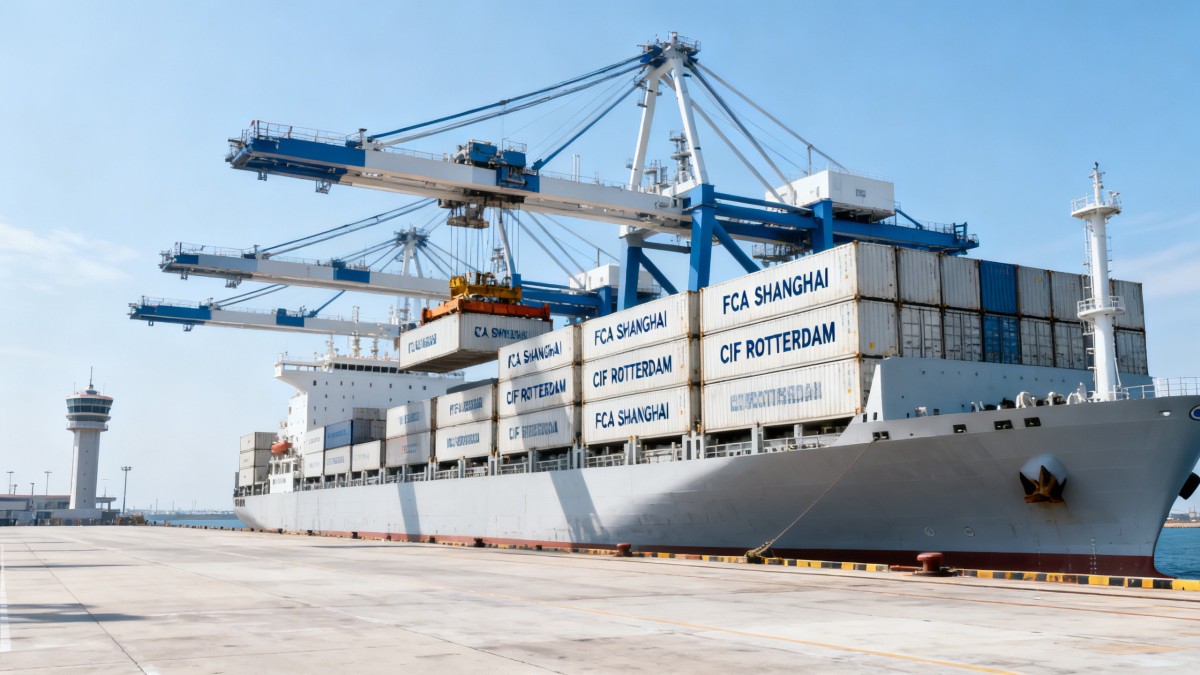
Concluding, the revised Maritime Code does not alter fundamental shipping operations—but redefines who bears the legal and financial consequences when delivery fails. It is neither a sudden crisis nor a minor procedural update; rather, it marks a deliberate shift toward greater upstream responsibility in China’s export ecosystem. Currently, it is more accurately interpreted as a binding legal framework requiring adaptation—not a discretionary best practice.
Source: Official text of the Amended Maritime Code of the People’s Republic of China, adopted by the Standing Committee of the National People’s Congress, effective May 1, 2026.
Note: Implementation details—including enforcement precedents, judicial interpretation, and administrative guidance—are pending and warrant ongoing observation.
Related Intelligence
- Smart GreenhouseGreenhouse Equipment for Vertical Farming: Choosing Lighting and VentilationChoose greenhouse equipment for vertical farming with confidence. Compare lighting, airflow, and moisture control to improve crop uniformity and manage costs. Explore the guide.
- Forestry EquipmentChoosing Compact Forestry Machinery for Small Woodlots and Narrow AccessChoose compact forestry machinery that fits small woodlots and narrow access. Compare payload, turning clearance, safety, and running costs to find the right machine for your site.
- APIs & IntermediatesProcurement Planning: Which Resource Reports Help Prevent Material Shortages?Discover how procurement planning resource reports reveal usable stock, shortage dates, and supplier risks so you can prevent material shortages and keep production on track.
The Morning Broadsheet
Daily chemical briefings, market shifts, and peer-reviewed summaries delivered to your terminal.
