

The Authority in Global Agricultural Chemistry & Bio-Resources
EU Ends VAT Exemption for Parcels Under €150, Raising Direct-Shipment Costs by 12%–20%
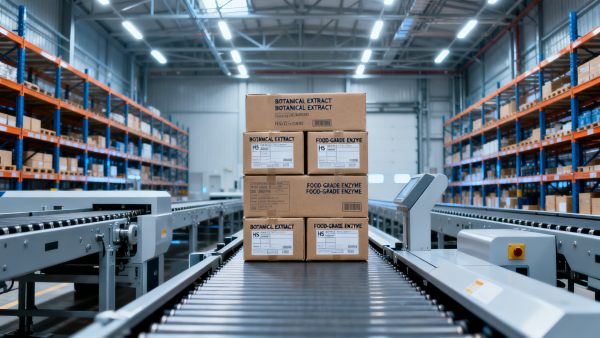
Effective 1 May 2026, the European Union has abolished the Low Value Goods Relief (LVGE), eliminating the VAT exemption previously applied to imported parcels valued at €150 or less. This regulatory shift directly impacts cross-border B2C e-commerce operations—particularly for high-margin, low-volume specialty products such as botanical extracts, food-grade enzymes, and natural ingredients—by increasing final consumer pricing and intensifying customs compliance requirements.
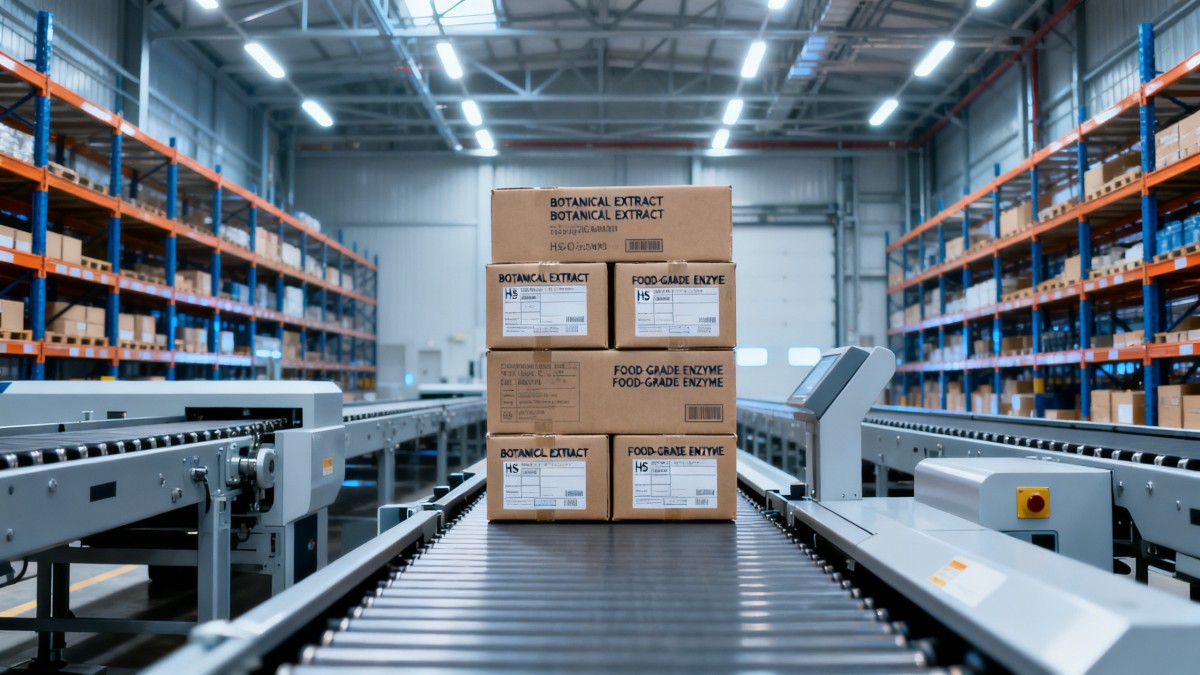
Regulatory Change Effective 1 May 2026
As of 1 May 2026, all physical goods imported into the EU—regardless of declared value—are subject to import VAT and, where applicable, customs duties. The LVGE mechanism, which previously allowed duty- and VAT-free entry for consignments ≤€150, has been fully discontinued. No transitional period or value-based thresholds remain. This applies uniformly across all EU Member States and affects all carriers and postal operators handling inbound small packages.
Impact Across Supply Chain Roles
Direct Exporters and E-Commerce Sellers
These entities face immediate cost increases and operational friction in B2C fulfillment. Previously streamlined direct-to-consumer shipping now requires real-time VAT calculation, digital reporting via the Import One-Stop Shop (IOSS), and coordination with EU-based intermediaries for tax collection—raising per-parcel processing overhead and delaying delivery timelines.
Raw Material Importers and Distributors
Companies sourcing botanical extracts or food-grade enzymes for formulation or resale must now account for VAT at point of entry—even on sample shipments or low-quantity orders. This compresses margin visibility and complicates landed-cost forecasting, especially when managing multiple EU destinations with varying VAT rates and documentation expectations.
Contract Manufacturers and Blenders
Manufacturers relying on just-in-time receipt of imported natural ingredients may experience supply chain delays due to extended customs clearance times and increased documentation scrutiny. Batch-level traceability and commercial invoice accuracy become critical—not only for duty assessment but also for downstream regulatory compliance (e.g., EFSA labeling, novel food registration).
Logistics and Customs Service Providers
Third-party logistics (3PL) and customs brokers report heightened demand for IOSS registration support, EU VAT representation services, and pre-clearance solutions. The shift favors providers capable of integrated VAT accounting, multi-country filing, and bonded warehousing—accelerating consolidation among specialized compliance enablers.
Key Operational Considerations for Businesses
Reassess IOSS Enrollment and VAT Representation
Non-EU sellers must either register for IOSS voluntarily or appoint an EU-established intermediary to collect and remit VAT. Failure to comply may result in parcel detention, consumer-facing VAT surcharges, or rejection by EU postal networks.
Optimize Shipment Consolidation and Fulfillment Models
Given the 12%–20% rise in landed costs for single-item parcels, businesses should evaluate shifting from direct shipping to consolidated LCL/FCL imports followed by domestic distribution—or establishing EU-based inventory hubs to bypass import formalities altogether.
Update Commercial Documentation and Product Classification
Accurate HS codes, detailed product descriptions (e.g., distinguishing ‘botanical extract’ from ‘finished dietary supplement’), and certified origin documentation are now essential for correct VAT treatment and avoiding classification disputes during customs audits.
Industry Perspective: A Structural Shift in EU Market Access
Analysis shows this is not merely a tax adjustment but a deliberate recalibration of the EU’s cross-border trade architecture—designed to level the playing field between domestic retailers and foreign e-commerce platforms while strengthening VAT enforcement. From an industry perspective, it accelerates the transition from ad hoc, low-volume imports toward structured, compliant, and locally anchored supply models. What deserves closer attention is how rapidly mid-sized exporters adapt their go-to-market strategies: those relying heavily on Shopify- or Amazon-led micro-fulfillment may face disproportionate margin pressure unless they integrate local VAT compliance early.
Strategic Implications for the Natural Ingredients Sector
This change elevates the strategic importance of EU-based regulatory readiness—not only for marketing authorization (e.g., Novel Food applications) but also for end-to-end fiscal compliance. It reinforces that market access now hinges equally on technical dossier quality and transactional transparency. Companies treating VAT as an administrative afterthought risk both financial leakage and reputational exposure in increasingly audit-sensitive environments.
Source Attribution and Ongoing Monitoring
This article synthesizes the policy update described in the provided briefing: title, effective date (1 May 2026), and event summary. Specific official source links were not provided in the input and should be verified continuously. Stakeholders are advised to monitor updates from the European Commission’s Taxation and Customs Union Directorate-General, national customs authorities (e.g., German Zoll, French Douanes), and evolving guidance on IOSS implementation, including eligibility criteria for non-EU intermediaries and potential alignment with the upcoming EU Digital Product Passport framework.
Related Intelligence
- Smart GreenhouseGreenhouse Equipment for Vertical Farming: Choosing Lighting and VentilationChoose greenhouse equipment for vertical farming with confidence. Compare lighting, airflow, and moisture control to improve crop uniformity and manage costs. Explore the guide.
- Forestry EquipmentChoosing Compact Forestry Machinery for Small Woodlots and Narrow AccessChoose compact forestry machinery that fits small woodlots and narrow access. Compare payload, turning clearance, safety, and running costs to find the right machine for your site.
- APIs & IntermediatesProcurement Planning: Which Resource Reports Help Prevent Material Shortages?Discover how procurement planning resource reports reveal usable stock, shortage dates, and supplier risks so you can prevent material shortages and keep production on track.
The Morning Broadsheet
Daily chemical briefings, market shifts, and peer-reviewed summaries delivered to your terminal.
