

The Authority in Global Agricultural Chemistry & Bio-Resources
Wisconsin Board to Vote on Authorizing DNR to Develop New Pesticide Rules
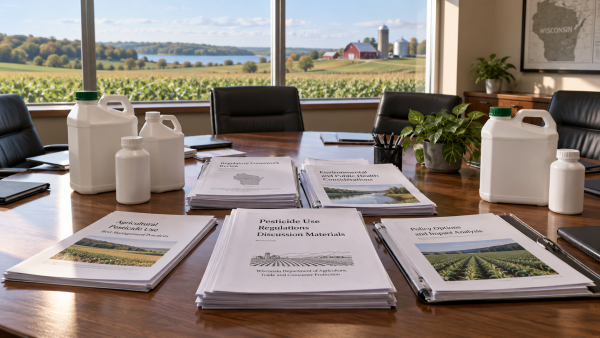
On October 28, 2026, the Wisconsin Natural Resources Board was preparing to vote on whether to authorize the state Department of Natural Resources (DNR) to develop new pesticide regulations. The input does not specify the date of the vote. The proposal is relevant to agricultural users and pesticide suppliers because it could change the regulatory environment for pesticide use in Wisconsin, although the outcome and any future requirements remain unconfirmed.
Authorization Is the Question Before the Board
The board is considering whether to authorize DNR to develop new pesticide regulations. Industry and agricultural groups have questioned the proposal, saying that its scientific basis and the process for developing it are insufficient. The provided information does not state the vote date or its outcome.
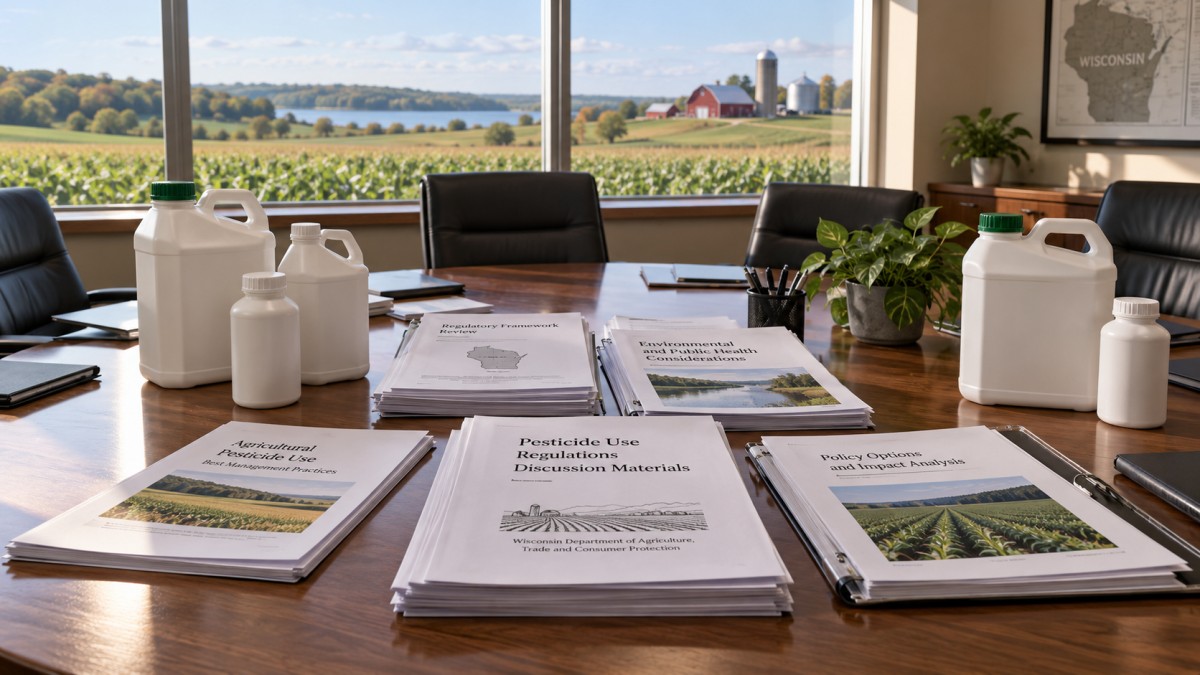
Where a Rulemaking Decision Could Reach the Supply Chain
Agricultural Use and Purchasing
From an industry perspective, agricultural users could face changes to planning and compliance if new rules are ultimately developed and adopted. Buyers may need to assess whether any proposed requirements affect the pesticides they purchase or how those products can be used. No specific changes to permitted uses or purchasing requirements are identified in the input.
Pesticide Suppliers and Distribution
Analysis suggests that suppliers and distributors serving Wisconsin could need to review product information and customer communications if a future proposal changes use requirements. Any effect on orders or delivery planning would depend on the content and timing of subsequent rules, neither of which is specified.
Compliance Support
Businesses that help customers assess pesticide compliance may need to compare any future proposal with existing practices. At this stage, there is no basis in the provided information to identify new documentation, testing or certification requirements.
What Businesses Can Check While the Decision Is Pending
Follow the Authorization Decision
Businesses may monitor the board's decision and subsequent DNR communications to establish whether rule development has been authorized. Authorization to develop rules should not be treated as confirmation that new requirements have taken effect.
Review Use and Supply Information
A practical preparatory step is to identify pesticide products and use practices relevant to Wisconsin operations, so that any future proposal can be assessed against them. Suppliers and buyers could also review the product information they rely on when discussing intended uses.
Assess Details Before Changing Plans
When further information becomes available, businesses can check its scope, proposed requirements and timing before adjusting procurement or delivery plans. The concerns raised by industry and agricultural groups also warrant attention when evaluating subsequent explanations of the scientific basis and development process.
A Signal to Monitor, Not a Completed Rule Change
At this stage, it is more appropriate to understand the proposal as a rulemaking decision still to be observed, not as an established change to pesticide requirements. The vote outcome, any subsequent proposal and the response to concerns about its basis and process could affect how businesses assess the potential impact.
Preparing Without Presuming the Outcome
The potential authorization places Wisconsin pesticide-use regulation on the agenda for agricultural users and their suppliers. A proportionate response is to track the decision and examine any later details, while avoiding assumptions that particular restrictions or compliance obligations already exist.
Basis for This Report and Further Verification
This article is based on the user-provided news title, event timing and summary. No specific official source link was provided in the input, so the decision and subsequent developments require continued verification. Relevant materials to check may include official board or DNR communications and statements from industry or agricultural groups. Any proposed rule details, timing and industry feedback should also be monitored as they become available.
Related Intelligence
- AgrochemicalsWisconsin Board to Vote on Authorizing DNR to Develop New Pesticide RulesWisconsin pesticide rules could change as the board considers authorizing DNR rulemaking. Explore potential impacts on agricultural users and suppliers.
- AgrochemicalsUsing agrochemicals category intelligence to assess supplier riskUse agrochemicals category intelligence to uncover supplier risks, verify compliance, and expose hidden supply dependencies. Learn how to make more resilient sourcing decisions.
- AgrochemicalsUSDA Announces Over $500 Million for Eight Fertilizer Production ProjectsUSDA announces over $500 million for eight fertilizer production projects. Explore how expanded domestic supply could affect farm costs and agricultural supply chains.
The Morning Broadsheet
Daily chemical briefings, market shifts, and peer-reviewed summaries delivered to your terminal.