

The Authority in Global Agricultural Chemistry & Bio-Resources
Glufosinate Jumps 14.29% in a Week as Pesticide Industry Plan Is Issued
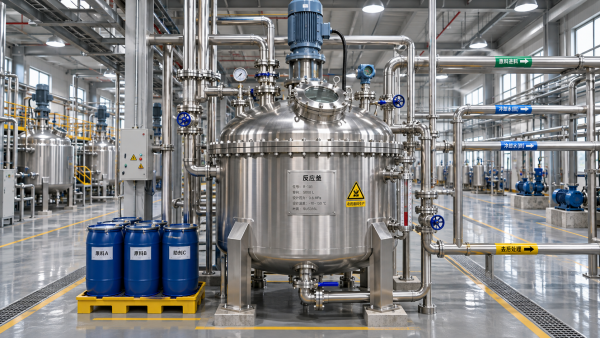
Glufosinate technical material rose 14.29% in a single week as tight availability of production intermediates coincided with the issuance of the National Pesticide Industry Development Plan for the 15th Five-Year Period. A November 12, 2026 report by CFi.cn said supplies were tight and attributed the price increase to the combined effect of the plan’s rollout and pressure on intermediate production.
The plan calls for strict control over capacity in categories designated for elimination and higher entry thresholds. The report also noted price increases for several products, including ethylene-based PVC, alongside tightening supply and demand. The reported weekly increase in glufosinate is a distinct market development; the information available does not establish that the plan alone caused it or that the PVC increase followed the same supply chain.
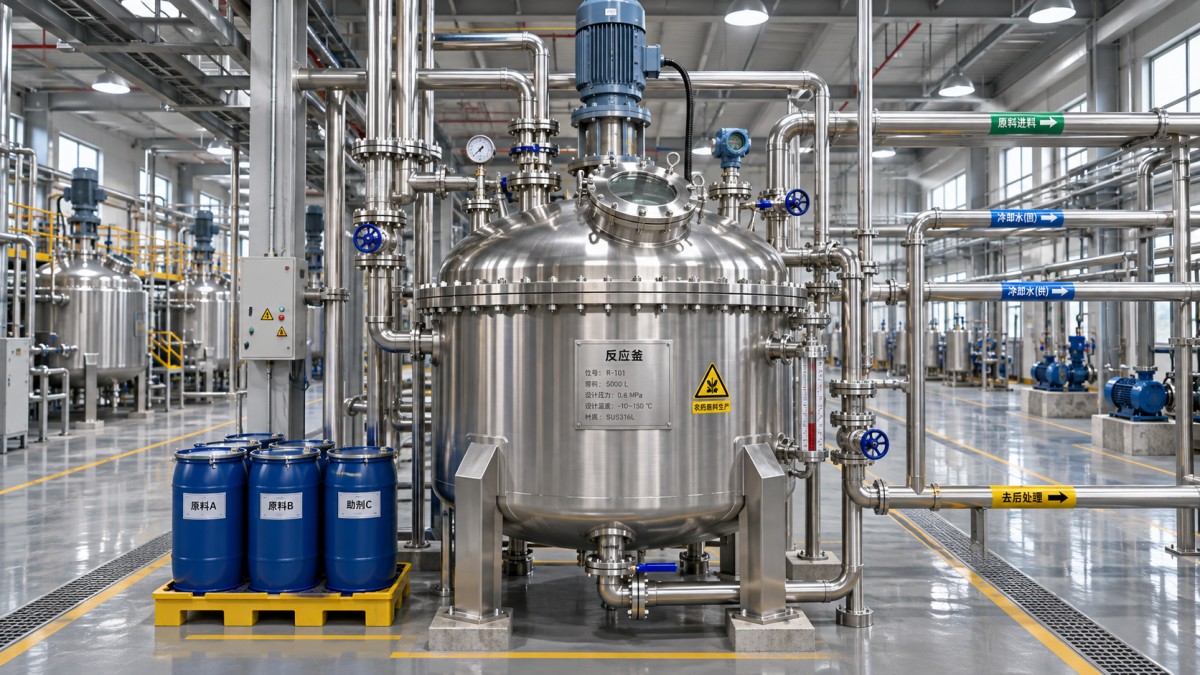
Why the price increase matters
The 14.29% rise describes a change over one week, giving a clear indication of the reported pace of the move. It does not, by itself, establish how long prices will remain elevated. Nor does the weekly percentage show the starting price or the exact dates covered by the increase.
For glufosinate buyers and suppliers, the immediate issue is the combination of a higher reported price and tight availability. Those conditions can affect both the cost of securing material and the terms on which it is offered. Their practical significance will depend on whether supplies become easier to obtain and how prices develop after the reported week.
Policy and intermediate supply work on different timescales
The plan’s stated direction concerns industry capacity and entry requirements. Strict control over capacity designated for elimination and higher thresholds for entry could affect future supply decisions. Their eventual effect on glufosinate availability, however, will depend on how the provisions are implemented and how they apply to production capacity.
The reported tightness in intermediate production offers a more immediate supply-side consideration. If intermediate availability constrains output of glufosinate technical material, tight supply could persist while that constraint remains. The report identifies this pressure as a contributing factor, but does not quantify its effect on production or separate it from the influence of policy.
These distinctions matter when interpreting the weekly price movement. A change in available intermediates could alter near-term supply conditions, while the effect of capacity controls may emerge over a longer period. The two influences can occur together without having the same duration or impact.
What to watch next
Further price movements and the availability of glufosinate technical material will help show whether the reported tightness continues beyond the week in question. Developments in intermediate production are also relevant, since improved availability could ease one of the pressures identified in the report.
For the longer-term supply outlook, attention will turn to official implementation details and company disclosures related to the plan’s capacity controls and entry requirements. The current report establishes the plan’s stated direction, but does not specify how those provisions will affect individual producers or how quickly any capacity changes will occur.
The simultaneous increase in ethylene-based PVC prices points to price movement in another product market, but it does not establish a common cause or a direct transmission from glufosinate. Each market’s supply conditions would need to be assessed on its own evidence.
Related Intelligence
- AgrochemicalsBrazilian Farmers Have Yet to Buy Up to 40% of Nitrogen Fertilizer for 2027 CornBrazilian farmers have yet to buy up to 40% of nitrogen fertilizer for the 2027 corn crop. Explore how currency weakness could affect costs and supply.
- AgrochemicalsGlufosinate Jumps 14.29% in a Week as Pesticide Industry Plan Is IssuedGlufosinate prices jumped 14.29% in a week amid tight intermediate supplies and a new pesticide industry plan. Explore the market outlook and what buyers should watch.
- AgrochemicalsOMIFCO IPO Draws Over $12 Billion in Orders, Setting Middle East RecordOMIFCO IPO draws over $12 billion in orders. Explore what the strong demand reveals about investor interest and its potential impact on the fertilizer industry.
The Morning Broadsheet
Daily chemical briefings, market shifts, and peer-reviewed summaries delivered to your terminal.