

The Authority in Global Agricultural Chemistry & Bio-Resources
Brazilian Farmers Have Yet to Buy Up to 40% of Nitrogen Fertilizer for 2027 Corn
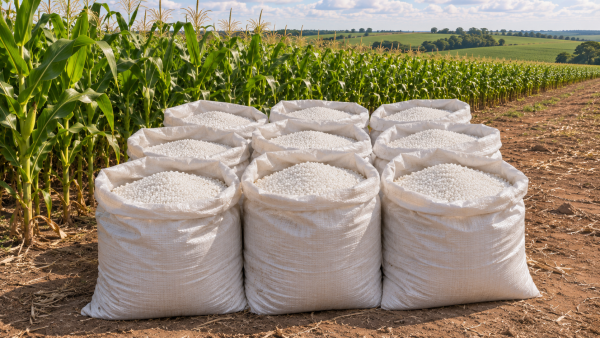
Brazilian farmers have yet to purchase an estimated 30% to 40% of the nitrogen fertilizer needed for the 2027 second corn crop, according to S&P Global. The slowdown in purchasing is linked primarily to a sharp depreciation of the Brazilian real against the US dollar, which has raised the local-currency cost of imported fertilizer.
The outstanding purchases put attention on whether farmers can secure and receive enough fertilizer in time for the crop. A delay could affect fertilizer use and, in turn, corn production, although the size of any impact will depend on what happens to purchasing and deliveries from here.
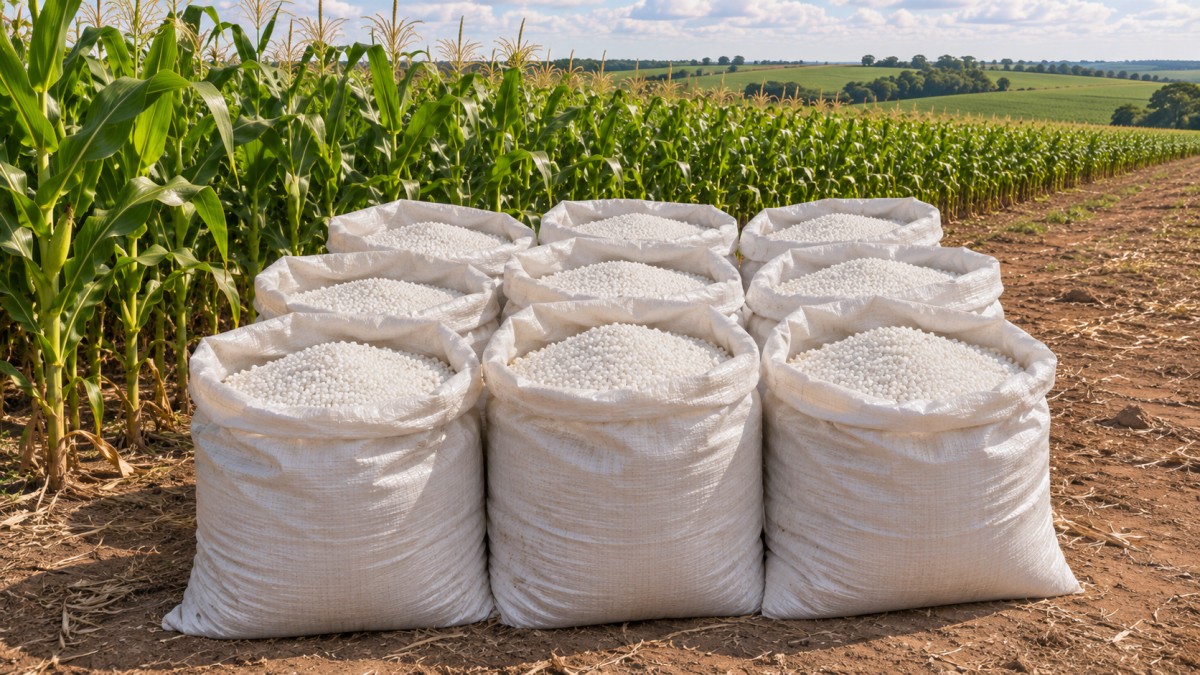
Currency weakness raises the cost of waiting
The exchange rate is central to the reported purchasing slowdown. When the real weakens against the dollar, a given dollar-denominated import cost translates into a higher amount in local currency. For a farmer planning fertilizer purchases in reais, that can make the same requirement more expensive to cover.
The unpurchased share is significant because nitrogen fertilizer is an input for the coming crop, rather than a purchase that can necessarily be postponed without affecting production plans. Farmers still have an opportunity to buy the outstanding volumes, but the eventual cost and timing of those purchases will matter. If the real weakens further, the local-currency cost could rise again; if it strengthens, some of the currency-related pressure could ease. Fertilizer prices and purchasing arrangements would also influence the final cost.
The reported estimate describes fertilizer that has not yet been purchased. It does not establish that the same amount will be unavailable when farmers need it. Purchases could still be completed, while the consequences of a delay would depend on how much fertilizer is ultimately secured and when it reaches farms.
From delayed purchases to crop risk
The immediate question for the supply chain is whether outstanding demand can be converted into orders and deliveries in time for the second corn crop. A late purchase can leave less time for the steps between ordering fertilizer and getting it to the farm. Even if farmers decide to proceed with purchases, the timing of delivery remains relevant to whether they can use the input as planned.
Farmers facing higher costs could also adjust the amount they buy or use. If less nitrogen is applied than the crop needs, yields could suffer. That outcome is conditional: the reported purchasing gap alone does not show how much fertilizer will be applied, how the crop will perform or how large any production loss might be.
For fertilizer suppliers and distributors, the same uncertainty concerns the timing and volume of orders. A substantial amount of demand remains outstanding, but the reported figure does not indicate when it will be placed or whether all of it will result in purchases. The pace of orders and the ability to deliver them will therefore be more informative than the unpurchased share on its own.
What the figures mean for corn supply
The potential effect extends beyond fertilizer procurement because a reduction in Brazil's corn production could have implications for global grain supply. The connection is indirect: currency weakness has raised the local cost of imported fertilizer; higher costs have been associated with slower purchasing; and a production effect would depend on whether the delay leads to insufficient or poorly timed fertilizer use.
Each step in that chain matters. A purchasing delay that is resolved before fertilizer is needed would have a different consequence from one that leaves farmers unable to obtain or use the planned volumes. Likewise, higher input costs do not by themselves establish a particular decline in corn output. The reported 30% to 40% figure should be read as a measure of outstanding fertilizer procurement, not as an estimate of the eventual loss in production.
The clearest indicators to follow are the pace of fertilizer purchases, movements in the real against the dollar, and whether the remaining volumes are delivered in time for crop needs. Later information on fertilizer use and crop performance will provide a stronger basis for assessing the consequences for Brazilian production and global grain supply.
Related Intelligence
- AgrochemicalsBrazilian Farmers Have Yet to Buy Up to 40% of Nitrogen Fertilizer for 2027 CornBrazilian farmers have yet to buy up to 40% of nitrogen fertilizer for the 2027 corn crop. Explore how currency weakness could affect costs and supply.
- AgrochemicalsGlufosinate Jumps 14.29% in a Week as Pesticide Industry Plan Is IssuedGlufosinate prices jumped 14.29% in a week amid tight intermediate supplies and a new pesticide industry plan. Explore the market outlook and what buyers should watch.
- AgrochemicalsOMIFCO IPO Draws Over $12 Billion in Orders, Setting Middle East RecordOMIFCO IPO draws over $12 billion in orders. Explore what the strong demand reveals about investor interest and its potential impact on the fertilizer industry.
The Morning Broadsheet
Daily chemical briefings, market shifts, and peer-reviewed summaries delivered to your terminal.
