

The Authority in Global Agricultural Chemistry & Bio-Resources
Singapore NEA Grants Exemptions for Certain MCCP and LC-PFCA Uses
Singapore’s National Environment Agency (NEA) announced exemptions on 6 November 2026 for certain uses of medium-chain chlorinated paraffins (MCCPs) and long-chain perfluorocarboxylic acids (LC-PFCAs), ahead of a prohibition on their manufacture, import and export taking effect on 16 December. The MCCPs covered are those with a chlorine content of at least 45%.
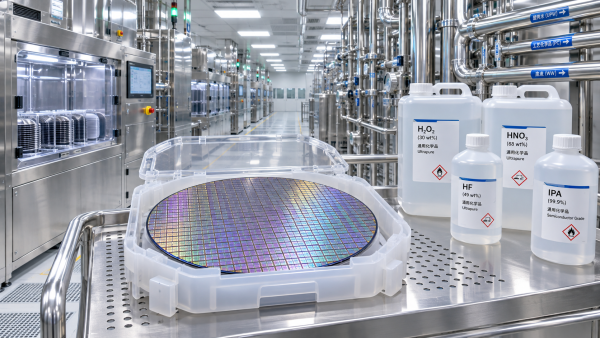
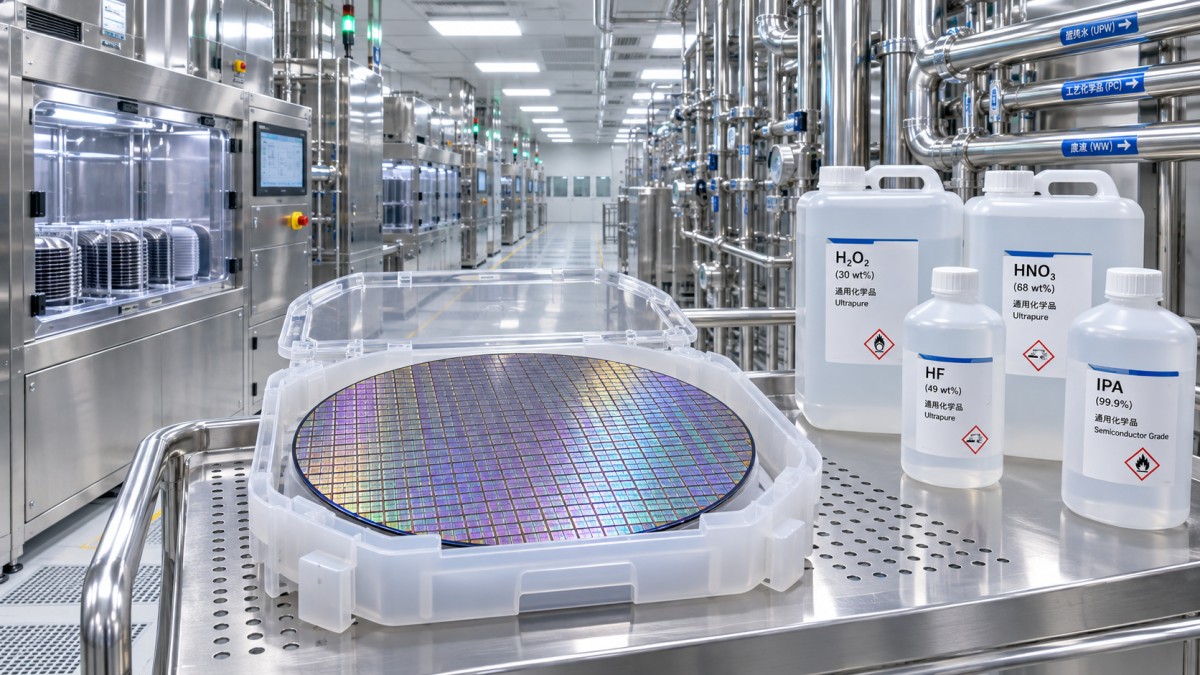
The exemptions provide regulatory flexibility for specified uses as the prohibition approaches. For LC-PFCAs, the scope is relatively narrow, principally covering replacement parts for discontinued land motor vehicles and uses in the semiconductor sector.
What the exemptions mean for affected uses
The distinction between a prohibition and an exemption for a particular use is central to the announcement. The decision creates room for certain uses and related supply during the transition, but it does not establish a general exemption for every product or transaction involving either group of chemicals.
For LC-PFCAs, the identified applications point to two areas where the scope of an exemption matters: replacement parts for vehicles that are no longer produced, and semiconductor-related uses. A business dealing with these applications would need to consider whether the specific use falls within the relevant exemption, rather than assuming that all activities associated with a vehicle part or a semiconductor product are covered.
The announcement also covers certain uses of MCCPs with a chlorine content of at least 45%. The identified threshold is relevant when considering whether a material falls within the described group. The exemption itself is use-specific, so identifying a chemical as an MCCP is only part of the question; the intended application also matters.
Where the effects may first be felt
Purchasing and supply decisions are likely to be among the first areas requiring attention. An exemption may allow supply for an eligible use to continue during the transition, while the approaching prohibition gives suppliers and customers a reason to distinguish those uses from other transactions. That distinction could affect how businesses discuss intended applications and plan orders.
For replacement parts, the practical question is how the exemption applies to the particular part and vehicle concerned. For semiconductor businesses, the corresponding question is which specific uses are covered. In both cases, the presence of an identified sector or application does not by itself establish that every related material or activity qualifies.
The immediate effect on an individual supply chain will depend on the applicable exemption terms and on where the chemical is used. The announcement provides a basis for distinguishing eligible uses, but it does not establish a broad outcome for prices, availability or delivery times.
Further regulatory information will be relevant to businesses assessing the precise scope and conditions of the exemptions, including how they apply to particular uses and transactions. The longer-term effect on supply will depend on those details and on how affected participants adjust to the prohibition and the permitted uses.
Related Intelligence
- APIs & IntermediatesBioprocessing Equipment Investment Costs: Budgeting Beyond Purchase PriceExplore bio processing equipment investment cost beyond purchase price. Budget for installation, utilities, validation, and lifetime expenses with confidence.
- APIs & IntermediatesPlanning for ISO Standards in Aquaculture: Where Should Farms Start?Aquaculture ISO planning starts here: choose the right standard, assess farm risks and build an audit-ready system with practical steps for your team.
- APIs & IntermediatesTraceable Chemical Intermediates: How to Verify Batch History Before PurchaseTraceable chemical intermediates start with a verified batch history. Learn what to check before purchase and reduce sourcing risks.
The Morning Broadsheet
Daily chemical briefings, market shifts, and peer-reviewed summaries delivered to your terminal.
