

The Authority in Global Agricultural Chemistry & Bio-Resources
Functional Bio Extracts: Main Types, Uses, and How to Compare Ingredient Specs
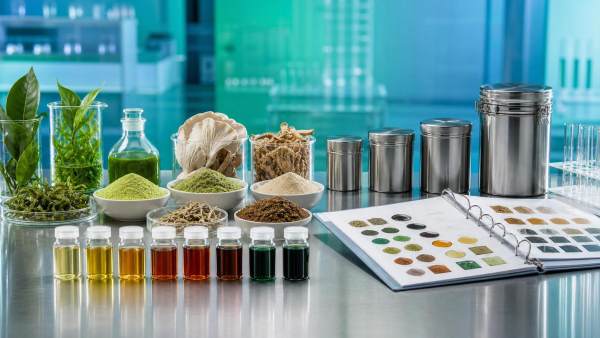
Why are functional bio extracts getting so much attention?
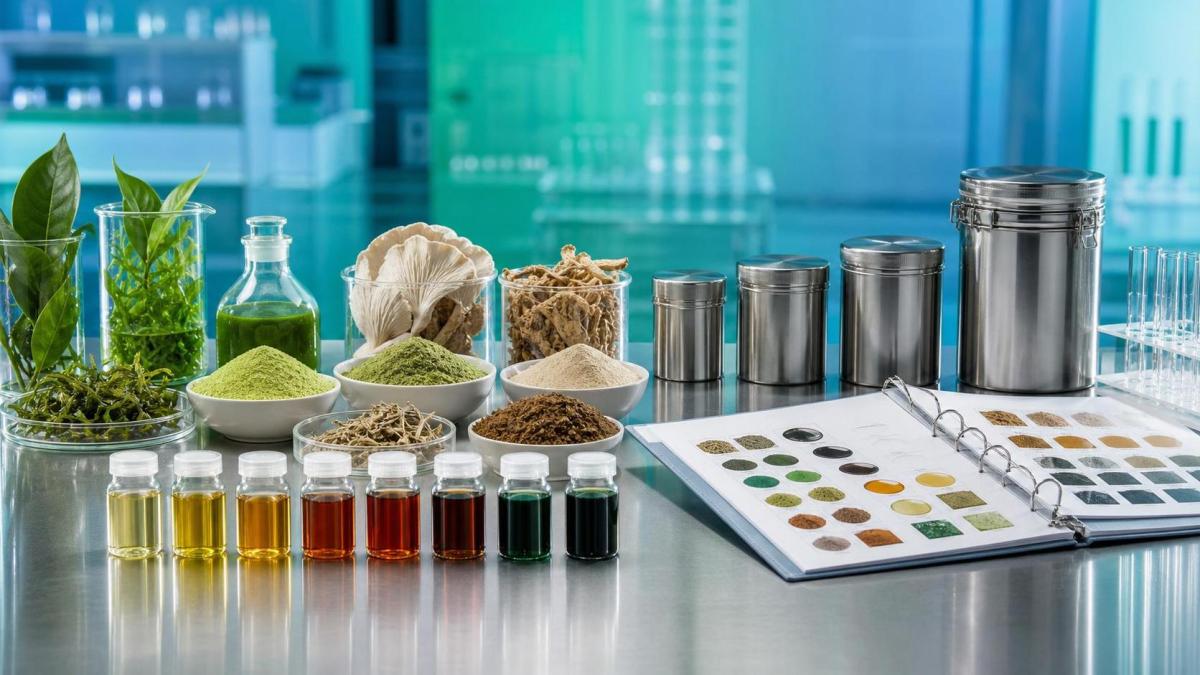
Functional bio extracts sit at the intersection of agriculture, biochemistry, food science, and fine chemicals. That is why interest keeps expanding across several industries at once.
The term usually refers to concentrated materials taken from plants, algae, fungi, or other biological sources, then standardized for a practical function.
That function may be nutritional, sensory, pharmacological, antimicrobial, antioxidant, or process-related. In other words, the extract is expected to do something measurable.
This matters because functional bio extracts are no longer used only in wellness products. They now appear in feed inputs, aquaculture systems, pharma intermediates, food fortification, and industrial formulations.
A label alone rarely tells the full story. Two extracts with the same botanical name can behave very differently in a real formulation.
The more regulated and globalized supply chains become, the more important this comparison work is. Editorial coverage in technical trade environments such as AgriChem Chronicle reflects that shift toward evidence-based evaluation.
So the practical question is not only what an extract is. It is how to judge whether a given spec sheet matches the intended use.
What counts as a functional bio extract, and how are the main types grouped?
A useful way to understand functional bio extracts is to group them by dominant active compounds, not only by source material.
That approach makes comparison easier because applications often depend on chemical profile more than on marketing category.
Common types seen across the market
- Polyphenol-rich extracts, including flavonoids and tannins, often used for antioxidant positioning and stability support.
- Polysaccharide extracts, such as beta-glucans or seaweed fractions, used in immune, textural, or bioactivity-focused applications.
- Saponin-containing extracts, valued in some nutraceutical, agricultural, and feed-related contexts.
- Alkaloid or terpene extracts, which may have potent activity and therefore tighter regulatory and dosage scrutiny.
- Protein hydrolysates and peptide-rich extracts, often selected for functional nutrition or process performance.
- Pigment and carotenoid extracts, used where color and bioactive positioning overlap.
Another grouping method focuses on source: botanical, marine, microbial, fungal, or agricultural by-product derived. That matters for traceability and sustainability claims.
In actual sourcing work, both classifications are helpful. Source affects risk and supply continuity, while active composition affects performance and compliance.
Where do functional bio extracts actually get used?
The answer depends on the extract profile, formulation format, and local regulations. Still, several application patterns appear repeatedly.
Food and beverage
Here, functional bio extracts may support flavor modulation, natural preservation, color, antioxidant claims, or nutritional enrichment.
Solubility and taste are often more decisive than headline potency. A strong extract that precipitates or tastes harsh may be difficult to use.
Nutraceutical and wellness formulations
This category usually emphasizes standardization. Buyers often compare active-marker percentage, dosage efficiency, residual solvents, and shelf-life stability.
Pharma and fine chemical pathways
Some functional bio extracts serve as bioactive inputs, intermediate materials, or research-grade ingredients. Documentation quality becomes critical here.
Test methods, impurity profiles, and consistency between batches matter far more than broad origin stories.
Feed, aquaculture, and primary processing
In these segments, functional bio extracts may be evaluated for gut health support, oxidative management, palatability, or process efficiency.
This is where interdisciplinary reporting becomes useful. An extract can cross from food science into feed technology with different legal and performance expectations.
When two ingredient sheets look similar, what should you compare first?
This is usually the turning point. Many functional bio extracts look comparable until the details reveal meaningful differences.
A quick comparison often starts with five checkpoints: active content, extraction method, purity, physical behavior, and compliance fit.
The active marker deserves special care. Some suppliers highlight a compound that is easy to test, not necessarily the one most linked to performance.
Extraction method also changes the character of functional bio extracts. A water extract may be safer for certain uses, while a solvent extract may deliver higher concentration.
Then there is purity. Purity is not simply “higher is better.” Over-refinement can reduce synergistic compounds that matter in whole-profile applications.
More common in technical evaluation is a fit-for-purpose view. The right extract is the one whose spec matches the intended matrix, dose, and compliance pathway.
What mistakes make functional bio extracts harder to evaluate?
One frequent mistake is comparing only price per kilogram. Functional bio extracts should usually be compared by effective active dose, not headline unit cost.
Another issue is assuming that standardized means interchangeable. Two 50% extracts can still vary in minor compounds, carriers, particle size, and sensory behavior.
It is also easy to overlook regional compliance. A spec that works in one market may require different supporting documents in another.
- Do not rely on botanical identity alone.
- Do not ignore carrier systems or excipients.
- Do not treat laboratory potency as finished-product performance.
- Do not skip stability review under real storage conditions.
- Do not assume sustainability claims prove full traceability.
In practice, the hardest problems are often not chemical. They involve inconsistent supply, changing crop quality, incomplete certificates, or unclear test methods.
That is why technical journalism in sectors like bio-extracts, APIs, and primary processing increasingly emphasizes documentation discipline as much as ingredient innovation.
How do you build a practical shortlist instead of chasing perfect specs?
A workable shortlist usually starts with the end application. Functional bio extracts should be filtered by use case before deeper comparison begins.
For example, beverage use points quickly toward water compatibility, taste impact, and haze behavior. Capsule use shifts attention toward flowability and active concentration.
A sensible review sequence looks like this:
- Define the intended function in measurable terms.
- Set must-have regulatory and documentation criteria.
- Check active range and test methodology.
- Review solubility, stability, and formulation compatibility.
- Compare landed cost by effective use level.
- Confirm batch consistency and realistic lead time.
This process helps avoid false precision. The goal is rarely to find the strongest extract on paper.
The real goal is to identify functional bio extracts that perform consistently, clear compliance review, and fit supply planning without avoidable surprises.
So what is the most reliable way to compare functional bio extracts?
Treat the comparison as a technical decision, not a label-reading exercise. That single shift improves the quality of evaluation immediately.
The strongest framework combines composition, process, functionality, and compliance. When one of those pieces is missing, the picture stays incomplete.
For anyone researching functional bio extracts, the most useful next step is to build a simple comparison sheet around intended application, target actives, physical behavior, and documentation needs.
From there, it becomes easier to screen supplier data, question vague claims, and decide which samples deserve bench testing.
In sectors covered by AgriChem Chronicle, that disciplined approach is increasingly the difference between attractive ingredient language and dependable technical value.
A clear shortlist, a defined test plan, and close attention to spec detail usually lead to better decisions than chasing the broadest claims.
Related Intelligence
- Natural IngredientsBotanical Ingredient Prices in Europe: Comparing Quotes by Grade and Order VolumeCompare Europe botanical ingredients price quotes by grade and order volume. Discover how potency, testing, delivery, and inventory costs reveal real savings before you buy.
- Natural IngredientsMayonnaise vs. Salad Dressing: Ingredient and Texture DifferencesMayonnaise vs. salad dressing: discover key ingredient, texture, stability, and application differences to choose the right product for every recipe.
- Natural IngredientsIndustrial-Scale Agricultural Sourcing: Key Criteria for Reliable SupplyIndustrial scale agri sourcing made reliable: assess supplier capacity, traceability, landed cost, logistics, and resilience to protect production continuity.
The Morning Broadsheet
Daily chemical briefings, market shifts, and peer-reviewed summaries delivered to your terminal.
