

The Authority in Global Agricultural Chemistry & Bio-Resources
EU REACH Annex XVII Adds Limits for Natural Flavorings
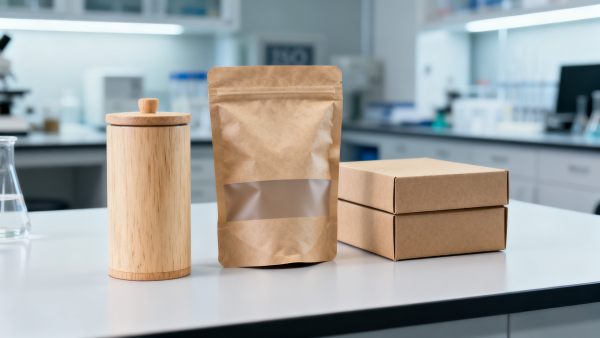
On 16 May 2026, the European Commission adopted Regulation (EU) 2026/XXXX, adding eight natural flavorings—including cinnamaldehyde, vanillin, and eugenol—to Annex XVII of the REACH Regulation. The new limits apply to food contact materials such as wooden spice jars and paper-based packaging, setting a maximum migration level of 0.02 mg/kg (measured in food simulants). The regulation enters into force on 1 November 2026, with early compliance encouraged. Exporters of natural ingredients—particularly those based in China—must now reassess packaging solutions and supply EN 13130-1:2023-compliant migration test reports to EU importers. This development directly affects manufacturers, packagers, and traders of natural flavorings and related food contact articles.
Event Overview
The European Commission formally adopted Regulation (EU) 2026/XXXX on 16 May 2026. The regulation amends Annex XVII of Regulation (EC) No 1907/2006 (REACH) by introducing binding migration limits for eight naturally occurring flavoring substances in food contact materials. The limit is uniformly set at 0.02 mg/kg, expressed as concentration in food simulants. Enforcement begins on 1 November 2026. The regulation specifies applicability to food contact materials including wooden containers used for spices and paper-based packaging. Testing must follow EN 13130-1:2023. No transitional provisions or grace periods beyond the stated effective date are included in the publicly confirmed text.
Which Subsectors Are Affected
Direct Exporters of Natural Ingredients
These enterprises—especially those shipping bulk or packaged natural flavorings from China to the EU—are directly subject to the requirement to verify and document compliance of associated packaging. Since the restriction targets migration from food contact materials, not the ingredient itself, exporters must confirm whether their current packaging (e.g., wooden jars, coated paper pouches) meets the new limit—and provide corresponding test reports upon request.
Food Contact Material Manufacturers
Suppliers of wooden spice containers, laminated paper wrappers, or other packaging intended for direct contact with natural flavorings must now ensure formulation and processing do not result in migration exceeding 0.02 mg/kg. This may require reformulation of coatings, adhesives, or surface treatments, particularly where natural extracts or essential oils are present in the substrate or finish.
Contract Packers and Blenders
Firms offering co-packing services for natural ingredient brands face new due diligence obligations. Under EU food contact material traceability rules, they are jointly responsible for ensuring compliance of final packaged products—even if packaging is sourced externally. Their quality control protocols must now include documented migration testing aligned with EN 13130-1:2023.
Supply Chain Documentation Providers
Third-party labs, certification bodies, and technical documentation consultants supporting export compliance must adapt service offerings to cover migration testing against this specific set of eight natural substances. Requests for test reports referencing Regulation (EU) 2026/XXXX and EN 13130-1:2023 are expected to increase ahead of the November 2026 deadline.
What Relevant Enterprises or Practitioners Should Focus On Now
Verify current packaging against the eight listed substances
Enterprises should identify whether their existing food contact materials contain or may release cinnamaldehyde, vanillin, eugenol, or any of the five other substances named in the regulation. Migration potential depends on material composition, processing history, and storage conditions—not just presence in raw form.
Initiate EN 13130-1:2023-compliant migration testing without delay
Testing laboratories require lead time for method validation, sample preparation, and reporting. As the regulation takes effect on 1 November 2026, reports issued after that date must reflect full compliance. Early submission supports proactive communication with EU importers and avoids last-minute shipment holds.
Update technical documentation and supplier declarations
Exporters must revise Declarations of Compliance (DoC) and technical files to explicitly reference Regulation (EU) 2026/XXXX and list test results for all eight substances. Supplier declarations from packaging vendors should be reconfirmed to ensure alignment with the new restriction scope.
Monitor official EU sources for guidance documents or FAQs
While the legal text is published, the European Commission or ECHA may issue non-binding guidance clarifying interpretation—e.g., applicability to multi-layer packaging, exemptions for low-volume artisanal producers, or sampling protocols. Such updates will not change the legal obligation but may affect implementation approaches.
Editorial Perspective / Industry Observation
Observably, this amendment signals a regulatory shift toward treating certain naturally derived substances with the same scrutiny as synthetic migrants under REACH—reflecting increased focus on cumulative exposure and substance-specific toxicological profiles. Analysis shows the inclusion of widely used, GRAS-listed compounds like vanillin and eugenol suggests the EU is prioritizing analytical detectability and harmonized risk assessment over traditional ‘natural = safer’ assumptions. From an industry perspective, this is less a one-off compliance event and more an indicator of broader tightening in food contact material regulation—particularly for botanical and plant-derived product categories. Current enforcement capacity and market surveillance intensity remain uncertain; however, the formal adoption and clear timeline indicate this is a binding outcome, not merely a policy signal.
This update underscores how regulatory developments in food contact materials increasingly intersect with natural ingredient supply chains—requiring cross-functional coordination between R&D, regulatory affairs, procurement, and quality assurance teams. It also highlights growing divergence between EU and other major markets (e.g., US FDA, China GB standards) in the treatment of natural flavoring substances in indirect food contact applications.
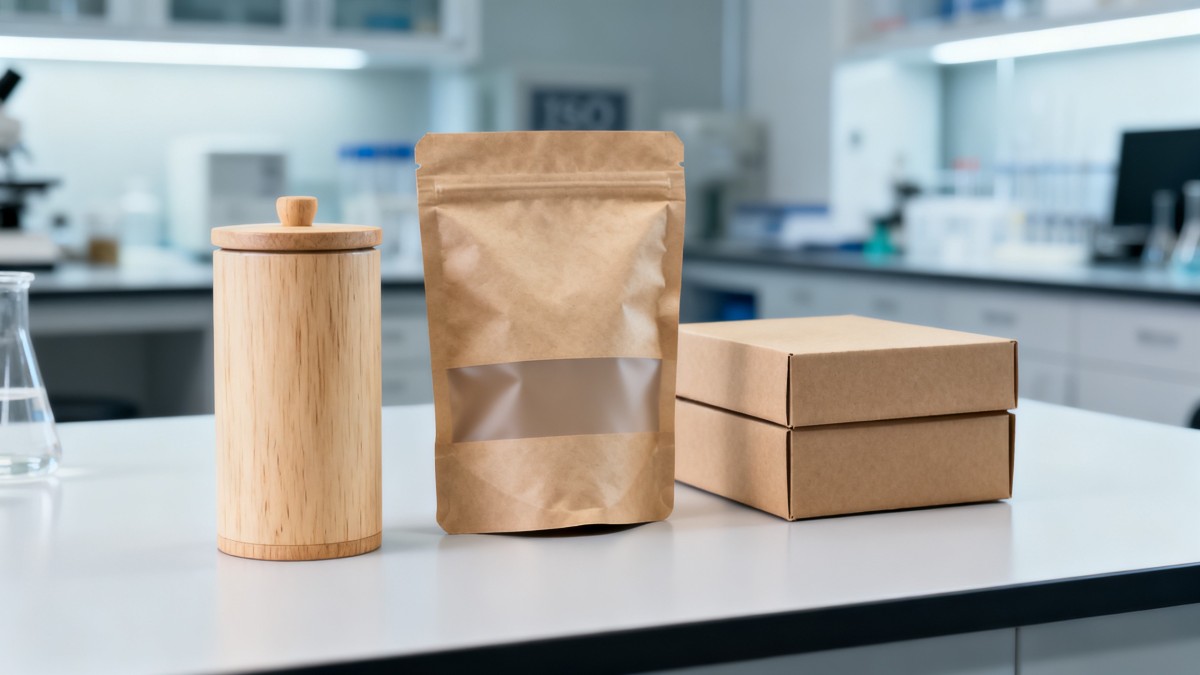
Concluding, this regulation marks a concrete compliance milestone—not a preliminary warning—for exporters and manufacturers engaged with EU food contact applications of natural flavorings. Its significance lies not only in the numeric limit itself, but in the precedent it sets for regulating naturally occurring substances based on migration behavior rather than origin alone. Currently, it is more appropriately understood as an enforceable requirement with defined timelines, demanding targeted action—not a speculative risk scenario.
Source: European Commission Regulation (EU) 2026/XXXX, published 16 May 2026; Annex XVII to Regulation (EC) No 1907/2006 (REACH); EN 13130-1:2023 standard.
Note: Further implementation guidance or enforcement clarifications from ECHA or national competent authorities remain pending and will be monitored.
Related Intelligence
- Natural IngredientsBotanical Ingredient Prices in Europe: Comparing Quotes by Grade and Order VolumeCompare Europe botanical ingredients price quotes by grade and order volume. Discover how potency, testing, delivery, and inventory costs reveal real savings before you buy.
- Natural IngredientsMayonnaise vs. Salad Dressing: Ingredient and Texture DifferencesMayonnaise vs. salad dressing: discover key ingredient, texture, stability, and application differences to choose the right product for every recipe.
- Natural IngredientsIndustrial-Scale Agricultural Sourcing: Key Criteria for Reliable SupplyIndustrial scale agri sourcing made reliable: assess supplier capacity, traceability, landed cost, logistics, and resilience to protect production continuity.
The Morning Broadsheet
Daily chemical briefings, market shifts, and peer-reviewed summaries delivered to your terminal.
