

The Authority in Global Agricultural Chemistry & Bio-Resources
FDA Clears Navsunli for Accelerated Filing
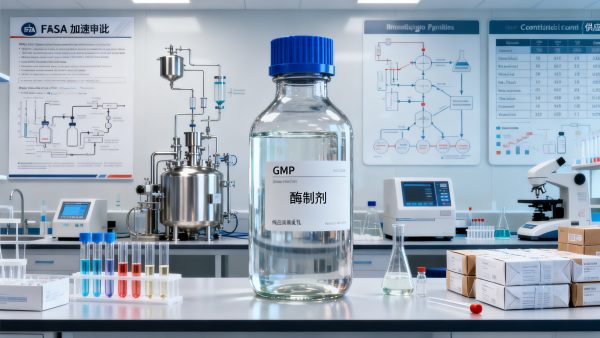
On June 22, 2026, the FDA confirmed that Regenxbio’s existing clinical data for Navsunli, a gene therapy for MPS II, meets the requirements for the accelerated approval pathway, removing the need for a new control arm, new patient enrollment, or additional studies. For industry participants, the development is relevant not only to rare disease drug review, but also to upstream purification, enzyme quality control, GMP-grade vector production, and import registration planning for enzyme materials, gene vector intermediates, and natural active ingredients tied to biopharmaceutical supply chains.
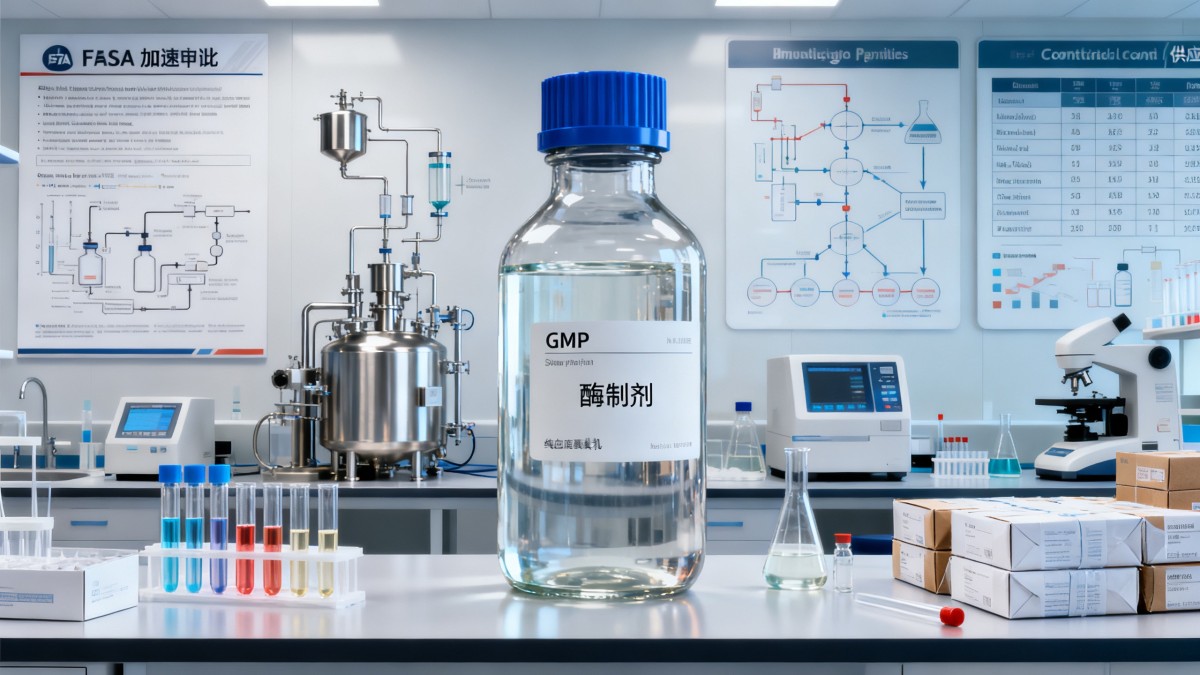
What the FDA Confirmed on June 22
The confirmed event is the FDA’s June 22 position on Navsunli, a gene therapy developed by Regenxbio for MPS II. According to the provided information, the agency determined that the current clinical data package is sufficient for the accelerated approval route.
The same information states that this decision waives the requirement for an added control group, further enrollment of new patients, and extra studies. It also confirms that the therapy relies on a high-purity I2S enzyme delivery system.
In parallel, the case raises the bar for international standards in upstream Botanical Extracts purification, Food Grade Enzymes quality control, and GMP-grade vector manufacturing. The provided summary also identifies a review trend worth tracking: greater FDA flexibility toward surrogate endpoints in rare diseases, including CSF biomarkers.
Why the Supply Chain Is Paying Attention
Pressure shifts upstream to purity and process control
From an industry perspective, suppliers involved in purification and ingredient preparation may be affected because the therapy’s reliance on a high-purity I2S enzyme delivery system places more attention on the consistency of upstream materials and processes. The operational impact is likely to appear in purification workflows, quality documentation, and discussions around whether existing specifications remain adequate for cross-border biopharmaceutical use.
Enzyme producers face closer scrutiny on quality positioning
For manufacturers and exporters of Food Grade Enzymes, the issue is not simply product availability but whether quality control systems can support customer expectations linked to higher international standards. What deserves closer attention is how buyers may reassess supplier qualification, batch consistency, and supporting records when products are positioned near regulated biopharmaceutical applications.
Vector and intermediate suppliers may see registration implications
Suppliers handling gene vector intermediates and GMP-grade production may be affected because the FDA signal could influence how overseas biopharmaceutical buyers prepare import registration strategies. Observably, the impact is less about an automatic rule change and more about a shift in the review context surrounding materials tied to rare disease programs and surrogate-endpoint-based submissions.
Procurement teams need to read the regulatory signal carefully
For overseas biopharmaceutical procurement teams, the immediate concern is how this FDA decision may alter sourcing priorities for enzyme raw materials, vector intermediates, and natural active ingredients. The key business link is procurement planning: buyers may place greater value on suppliers that can explain process controls, quality systems, and compliance readiness in a way that supports future registration work.
Practical Issues Companies Should Track Now
Separate confirmed action from broader interpretation
Analysis shows that companies should distinguish between the confirmed fact and the wider policy reading. The confirmed fact is the FDA’s acceptance of the current Navsunli data package for accelerated filing. The broader interpretation is the possible softening toward rare disease surrogate endpoints such as CSF biomarkers, which still requires continued observation rather than being treated as a universal regulatory shift.
Review whether current supplier files support stricter scrutiny
Companies tied to Botanical Extracts, enzyme materials, and vector-related intermediates should review whether supplier qualifications and technical files are robust enough for customers operating under tighter biopharmaceutical compliance expectations. In practice, this means paying attention to process descriptions, quality control records, and documentation that supports consistency claims.
Prepare for more detailed customer communication
What deserves closer attention is customer-facing communication. Exporters and service providers may need to answer more detailed questions about purification routes, quality controls, manufacturing grade, and delivery readiness, especially when buyers are aligning sourcing decisions with future registration strategies.
Watch official wording before changing market assumptions
Analysis shows that companies should monitor how official language evolves around accelerated approval and surrogate endpoints in rare disease review. A practical response is to prepare internal regulatory and supply chain scenarios, while avoiding premature assumptions that one case automatically resets standards across all related products.
How to Read This Signal at This Stage
Observably, this development is best understood as a meaningful regulatory signal rather than a fully settled industry-wide outcome. It indicates that the FDA is willing, in this case, to accept an accelerated pathway without requiring additional controls, patient enrollment, or extra studies, and that has clear implications for how suppliers interpret customer compliance demands.
At the same time, analysis shows that the more consequential issue is not only the product-specific decision but the regulatory attitude embedded in it: a potentially more flexible review posture toward rare disease surrogate endpoints. That is important for supply-chain planning, but it is still something the market should continue to verify through subsequent official language and comparable cases.
What This Means for the Market Right Now
At this stage, it is more appropriate to understand the news as a targeted but notable signal for the biopharmaceutical supply chain. It points to higher expectations around purity, quality control, and GMP-grade manufacturing support, while also suggesting that import registration strategies connected to enzyme materials, vector intermediates, and natural active ingredients may need to be reviewed with greater care.
The event does not by itself establish a universal rule change. Its present value lies in showing where regulatory attention and buyer scrutiny may intensify first, especially in rare disease programs connected to surrogate endpoints and tightly controlled upstream materials.
Basis of This Article
This article is based on the user-provided news title, event date, and event summary. The analysis is limited to the confirmed information provided: the FDA’s June 22 confirmation regarding Navsunli, the accelerated approval pathway decision, the removal of added study requirements, the role of the high-purity I2S enzyme delivery system, the higher standard implications for Botanical Extracts, Food Grade Enzymes, and GMP-grade vector production, and the possible relevance of rare disease surrogate endpoint review trends to import registration strategy.
For this type of industry update, commonly relevant source categories may include official regulatory announcements, company statements, industry association materials, authoritative media coverage, and standards-related documents. However, a specific official source link was not provided in the input, so further verification remains necessary. Continued attention should focus on any subsequent FDA wording related to surrogate endpoints, accelerated approval practice in rare diseases, and how buyers translate such signals into procurement and registration requirements.
Related Intelligence
- Botanical ExtractsChoosing Botanical Extracts for Pharmaceuticals: Potency, Purity, and ComplianceBotanical extracts for pharmaceuticals: learn how to assess potency, purity, traceability, and GMP compliance for confident, regulatory-ready supplier selection.
- Botanical ExtractsBotanical Extracts Market Outlook: Supply, Pricing, and Buyer RisksBotanical extracts market insights on supply, pricing, quality control, and buyer risks—compare suppliers confidently and protect your sourcing strategy.
- Botanical ExtractsEurope Botanical Extracts Market: Key Growth Drivers, Risks, and OpportunitiesEurope botanical extracts market insights: explore growth drivers, regulatory risks, supply-chain challenges, and scalable opportunities for compliant, high-value ingredients.
The Morning Broadsheet
Daily chemical briefings, market shifts, and peer-reviewed summaries delivered to your terminal.
