

The Authority in Global Agricultural Chemistry & Bio-Resources
EU Rule Takes Effect on DNA Traceability for Botanical Extracts
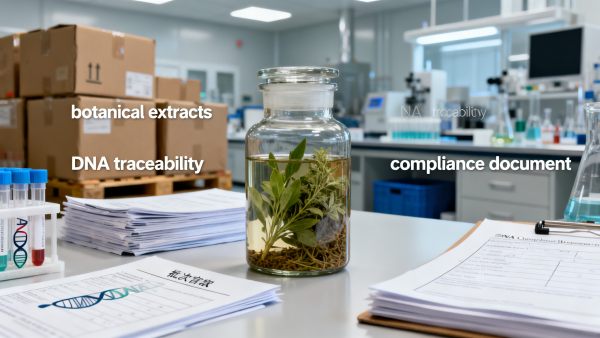
On June 15, 2026, the European Commission put into force Regulation (EU No. 2026/987) to tighten compliance requirements for botanical extracts entering the EU. The new rule makes full-chain DNA barcode traceability a document-level requirement for imported products, which places immediate attention on exporters, ingredient buyers, processors, and supply chain service providers involved in cultivation, harvesting, drying, extraction, and final packaging. For the industry, the key issue is not only the existence of a new compliance standard, but also how traceability documentation may now affect supplier eligibility in major exporting countries including China, India, and Vietnam.
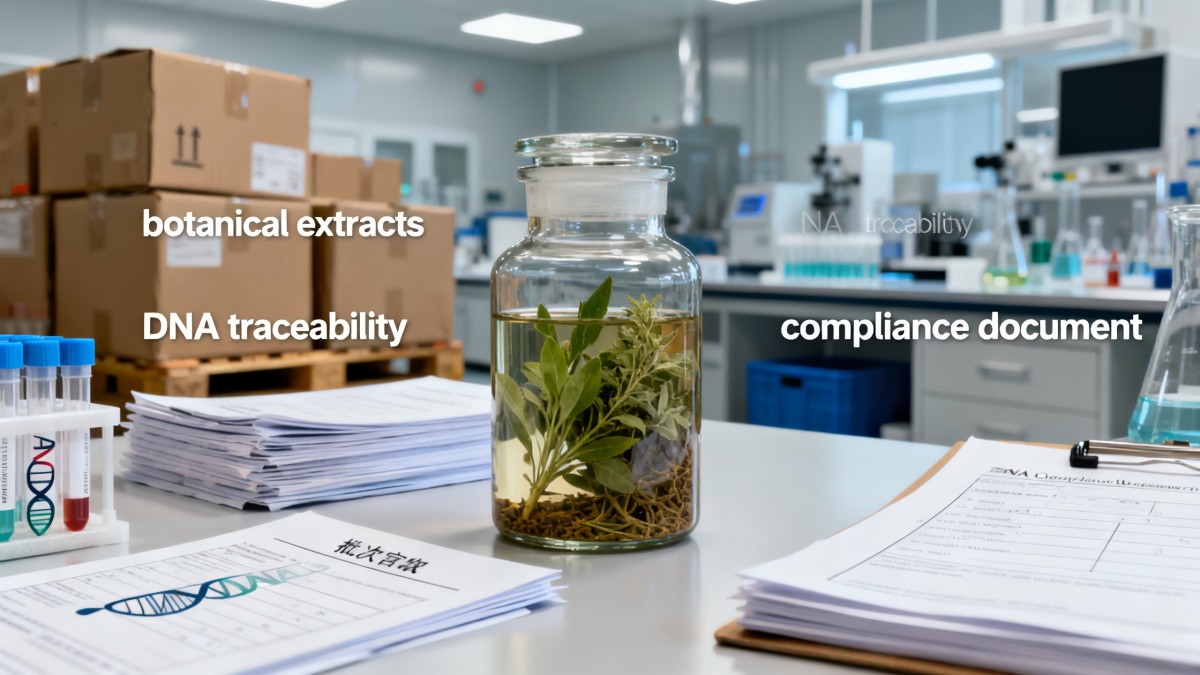
What the new requirement formally covers
According to the provided information, the rule took effect on June 15, 2026 under the European Commission’s Regulation (EU No. 2026/987), titled the regulation on strengthened compliance for plant-based foods and natural ingredients. It applies to imported botanical extracts.
The confirmed requirement is that imported botanical extracts must be accompanied by a full supply chain DNA barcode traceability report issued by a laboratory accredited under ISO/IEC 17025. The traceability scope stated in the input covers cultivation, harvesting, drying, extraction, and finished-product packaging.
The provided information also makes clear that the requirement directly affects supplier access for major exporting countries such as China, India, and Vietnam.
Where pressure is likely to appear across the chain
Export-facing suppliers may face a higher entry threshold
From an industry perspective, exporters and upstream suppliers are the first group likely to feel the operational impact because the rule is tied to import eligibility. The main pressure point is whether supporting documents can cover the full chain specified in the regulation, rather than only a single production stage.
Ingredient buyers may need tighter document review
For raw material procurement teams and import buyers, the likely impact is concentrated in supplier screening, contract execution, and pre-shipment document review. What deserves closer attention is whether existing supplier files are sufficient to demonstrate traceability from origin to packaged extract under the new requirement.
Processors and manufacturers may need stronger chain coordination
For extraction and processing companies, the issue is not limited to laboratory testing itself. Analysis shows that coordination across cultivation, harvesting, drying, extraction, and packaging records becomes more important when the traceability report must reflect the full supply chain rather than a single batch checkpoint.
Service providers in compliance and logistics may see new verification demands
Supply chain service providers, documentation partners, and compliance support firms may also be affected because product movement into the EU may depend on whether the required report is available and aligned with the shipment. The operational focus is likely to fall on timing, document completeness, and consistency across transaction records.
What companies should watch now
Check how supplier qualification is being interpreted
Because the provided information states that supplier access is directly affected, companies should closely monitor how customers and counterparties interpret qualification thresholds in practice. The immediate concern is whether current suppliers can continue to meet buyer expectations once the rule is applied at shipment level.
Focus on the full-chain scope, not a single test point
The rule described in the input covers cultivation through final packaging. Analysis shows that companies should pay attention to whether their current documentation structure supports this full-chain logic, rather than assuming that extraction-stage records alone are enough.
Watch the gap between policy wording and business execution
What deserves closer attention is the difference between the formal regulatory requirement and how it is implemented in transactions, audits, and customer communications. Companies involved in EU-bound business may need to prepare for questions on report format, document timing, and consistency between laboratory records and supply chain records.
Prepare procurement and delivery contingencies
Observably, procurement planning, order confirmation, and delivery scheduling may require closer coordination where EU shipments are involved. Firms should pay particular attention to supplier credentials, document readiness, lead times, and communication with customers regarding compliance materials tied to specific batches or orders.
Why this looks bigger than a routine paperwork update
Analysis shows that this development is more than a narrow administrative adjustment because it links market access to traceability evidence across multiple production stages. Based on the provided information alone, it is more appropriate to understand this as a concrete compliance change that is already in force, while also remaining a broader signal about stricter documentation expectations in botanical extract trade.
At the same time, this should not be overstated as a fully settled industry outcome. Observably, the most important unanswered questions relate to implementation details, transaction-level enforcement, and how supply chain participants adapt their documentation workflows in response.
How the market may best read this development
At this stage, the most balanced reading is that the EU has turned DNA barcode traceability for imported botanical extracts into an immediate compliance topic with direct relevance to supplier access. For companies trading into the EU, this is best understood as both a current operational requirement and a longer-term signal that full-chain traceability is becoming more central to cross-border ingredient business.
The practical significance lies less in headline interpretation and more in whether businesses can align supply chain records, laboratory documentation, and delivery processes under the new rule.
Basis of this article and what still needs verification
This article is based on the user-provided news title, event date, and event summary concerning Regulation (EU No. 2026/987) and the new DNA barcode traceability requirement for imported botanical extracts. It is written as an industry news analysis and does not add unverified data, company examples, market figures, or external conclusions.
For this type of development, commonly relevant source categories may include official notices, company disclosures, industry association updates, authoritative media coverage, and standard-setting documents. A specific official source link was not provided in the input, so the exact official publication path still requires ongoing verification. Continued attention should be given to any further official wording, implementation clarification, and trade-side interpretation related to supplier qualification and documentation practice.
Related Intelligence
- Botanical ExtractsChoosing Botanical Extracts for Pharmaceuticals: Potency, Purity, and ComplianceBotanical extracts for pharmaceuticals: learn how to assess potency, purity, traceability, and GMP compliance for confident, regulatory-ready supplier selection.
- Botanical ExtractsBotanical Extracts Market Outlook: Supply, Pricing, and Buyer RisksBotanical extracts market insights on supply, pricing, quality control, and buyer risks—compare suppliers confidently and protect your sourcing strategy.
- Botanical ExtractsEurope Botanical Extracts Market: Key Growth Drivers, Risks, and OpportunitiesEurope botanical extracts market insights: explore growth drivers, regulatory risks, supply-chain challenges, and scalable opportunities for compliant, high-value ingredients.
The Morning Broadsheet
Daily chemical briefings, market shifts, and peer-reviewed summaries delivered to your terminal.
