

The Authority in Global Agricultural Chemistry & Bio-Resources
China Import Food Registration Rule Takes Effect
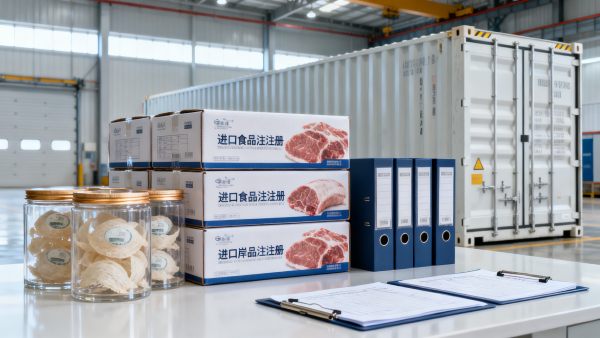
Effective June 1, 2026, China has put a new overseas registration framework for imported food manufacturers into force under Decree No. 280. The change is especially relevant for exporters of meat products, bird’s nest, and bird’s nest products, because the previous automatic extension of registration validity no longer applies to those categories. With 96,000 overseas enterprises registered in China, the update deserves close attention from exporters, importers, compliance teams, and supply chain operators that depend on stable access to the Chinese market.
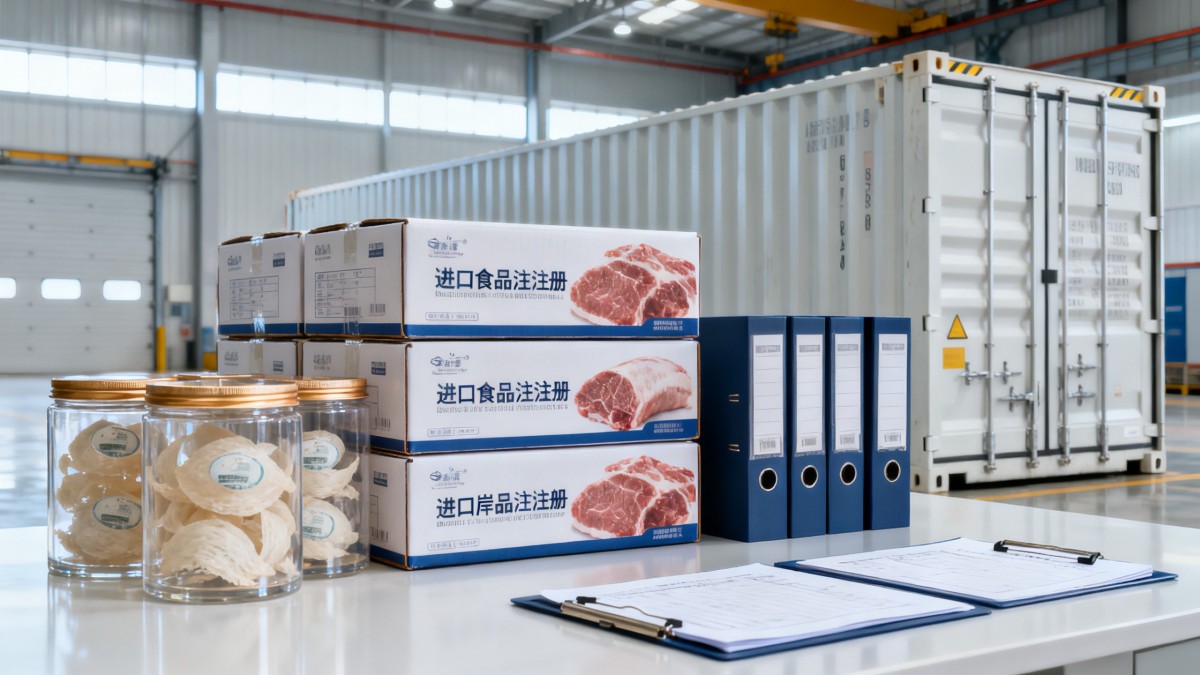
What the rule change confirms
According to the provided information, Decree No. 280 of the General Administration of Customs formally took effect on June 1, 2026.
The rule introduces risk-classified registration management for overseas manufacturers of imported food.
It also removes the automatic extension mechanism for the registration validity period of meat and meat products, as well as bird’s nest and bird’s nest products.
The information provided further states that 96,000 overseas enterprises are registered in China, and that the new rule directly affects the compliance route, registration cycle, and supply chain stability for overseas food exporters supplying the Chinese market.
Where the immediate pressure points may emerge
Exporters shipping regulated food categories
From an industry perspective, overseas food exporters are the most directly affected group because registration is tied to their ability to continue supplying China. For companies dealing in meat products and bird’s nest categories, the removal of automatic renewal means registration timing and continuity may become a more active compliance task rather than a passive administrative step.
Importers and procurement teams relying on continuity
Importers and buyers may feel the impact through supplier qualification review, shipment planning, and delivery scheduling. Analysis shows that when registration cycles become a more visible operational factor, procurement teams need to pay closer attention to whether overseas suppliers remain fully eligible to ship into China without interruption.
Supply chain and service providers managing cross-border execution
Companies involved in customs coordination, document handling, and cross-border food supply chain execution may also need to adjust workflows. The reason is not that the provided information confirms any specific new procedure, but that risk-classified registration management and the end of automatic extension for some categories can increase the importance of registration status tracking in day-to-day operations.
Processors and channel operators dependent on imported inputs
Businesses further down the chain, including processors or distributors that rely on imported meat products or bird’s nest products, may need to watch supply continuity more closely. Observably, even when they are not the registrants themselves, they can still be exposed to delays or planning uncertainty if overseas suppliers face tighter registration timing requirements.
What companies should watch now
Registration validity should be treated as a live business issue
What deserves closer attention is the practical effect of removing automatic extension for the specified categories. Companies involved in these products should track registration validity periods, renewal timing, and related internal responsibilities more closely than before.
Distinguish the policy text from operational implementation
Analysis shows that the rule change itself is already clear on two points provided in the input: risk-classified registration management is in force, and automatic extension no longer applies to meat products and bird’s nest categories. But businesses still need to separate the confirmed policy change from the way it is implemented in actual registration timelines, document preparation, and transaction planning.
Supplier documentation and customer communication may need tightening
For exporters and importers, supplier credentials, registration-related documents, and customer-facing confirmations may become more sensitive in transaction execution. This is particularly relevant where buyers need assurance that supply can continue without disruption tied to registration status.
Build buffers around cycle time and delivery commitments
Because the provided information explicitly notes possible effects on registration cycles and supply chain stability, companies may need to review delivery promises, procurement lead times, and contingency planning. This is an operational observation rather than a confirmed outcome, but it follows directly from the areas identified in the source information.
Why the market is likely to keep watching this
As an editorial observation, this development is more appropriate to understand as both an immediate compliance change and a longer-term regulatory signal. The immediate change is clear for the affected categories: automatic renewal is no longer available for meat products and bird’s nest products. The longer-term signal lies in the move toward risk-classified registration management, which suggests that registration oversight is becoming a more structured factor in market access.
At the same time, this is not yet something that should be overstated beyond the confirmed facts provided. The available information does not establish the full range of downstream commercial outcomes. For that reason, the industry still needs to watch how businesses adjust their registration planning and supply chain coordination in practice.
How this update is best understood at this stage
At this stage, the most balanced reading is that China’s new imported food overseas registration rule has created a concrete compliance change for certain product categories and a broader reminder that registration management is closely tied to supply continuity. For exporters, importers, and service providers, the issue is not only regulatory wording but also whether internal planning keeps pace with registration requirements.
It is more appropriate to understand this as a confirmed short-term operational change with possible longer-term significance, rather than as a fully settled indicator of wider market outcomes.
Basis of this article and points for follow-up verification
This article is based on the user-provided news title, event date, and event summary. The confirmed information used here includes the June 1, 2026 effective date, the implementation of Decree No. 280, the adoption of risk-classified registration management for overseas manufacturers of imported food, the removal of automatic validity extension for meat and meat products and bird’s nest and bird’s nest products, and the stated figure of 96,000 overseas enterprises registered in China.
For this type of industry update, commonly relevant source categories may include official government notices, company disclosures, industry association releases, authoritative media reporting, and standards-related documents. A specific official source link was not provided in the input, so further verification remains necessary. Follow-up attention should focus on any additional official wording, implementation details, and practical effects on registration timing and supply chain coordination.
Related Intelligence
- Botanical ExtractsAre Botanical Extracts Classified as Agrochemicals Under New Rules?Are bio extracts considered agricultural chemicals under new rules? Learn how claims, composition, and market rules affect classification—and what to verify before launch.
- Botanical ExtractsChoosing Botanical Extracts for Pharmaceuticals: Potency, Purity, and ComplianceBotanical extracts for pharmaceuticals: learn how to assess potency, purity, traceability, and GMP compliance for confident, regulatory-ready supplier selection.
- Botanical ExtractsBotanical Extracts Market Outlook: Supply, Pricing, and Buyer RisksBotanical extracts market insights on supply, pricing, quality control, and buyer risks—compare suppliers confidently and protect your sourcing strategy.
The Morning Broadsheet
Daily chemical briefings, market shifts, and peer-reviewed summaries delivered to your terminal.
