

The Authority in Global Agricultural Chemistry & Bio-Resources
Brazil Requires nGMO Trace Codes for Botanical Additives
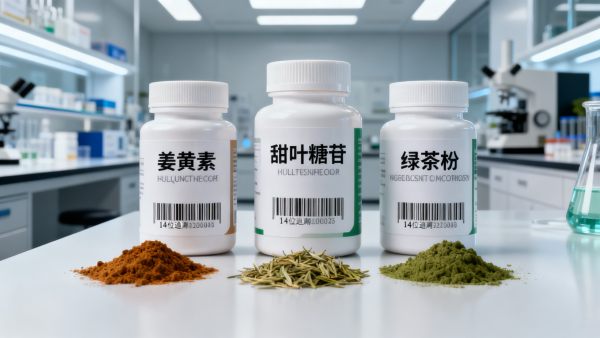
On July 15, 2026, Brazil’s regulatory treatment of botanical extract-based food additives moved from documentation to on-label traceability. ANVISA’s new requirement means products such as curcumin, steviol glycosides, and green tea polyphenols must carry a 14-digit nGMO-Trace Code tied to a registered non-GMO cultivation-base database, making this an immediate compliance issue for exporters, ingredient suppliers, brand-facing channel operators, and any business relying on supermarket or e-commerce access in Brazil.
What ANVISA Has Formally Required
According to the provided information, Brazil’s National Health Surveillance Agency (ANVISA) issued Portaria no. 412/2026 on July 8, 2026. The rule covers food additives made from botanical extracts.
From July 15, 2026, labels on these products must display a 14-digit “nGMO-Trace Code.” The code must connect to a database of non-GMO raw-material cultivation bases that has been filed with ANVISA.
The information provided also states that products without the required code will be barred from large supermarket chains and e-commerce platforms in Brazil. This creates a direct sales-channel restriction rather than a purely administrative labeling adjustment.
Where the Business Impact Is Likely to Appear First
Exporters selling into retail-facing channels
From an industry perspective, exporters of botanical extract-based food additives are likely to feel the impact first where Brazilian customers depend on modern retail and platform distribution. If a product cannot enter major supermarket or e-commerce channels, the problem is no longer limited to compliance paperwork; it directly affects sell-through at the terminal market level.
What deserves closer attention is whether existing shipments, Brazil-dedicated stock, and label inventory can still match the new coding requirement within the effective timeline described in the provided information.
Raw-material and sourcing coordination
Analysis shows that the rule places new pressure on the upstream side because the required code must be linked to a non-GMO cultivation-base database filed with ANVISA. That means sourcing claims and traceability support become more commercially relevant for products positioned as botanical extract ingredients.
The likely impact is concentrated in documentation alignment, origin traceability, and supplier coordination, especially where exporters depend on multiple cultivation or extraction sources.
Manufacturing and packaging execution
For processors and manufacturers, the immediate issue is operational rather than theoretical. The rule is label-based, so packaging workflows, print control, SKU management, and market-specific labeling may all require review. Even where product formulation is unchanged, the ability to place the correct 14-digit code on-pack becomes a gatekeeping condition for channel access.
Channel operators and downstream buyers
For distributors, supermarket-facing traders, and platform sellers, the main risk is compliance exposure in downstream circulation. Buyers and channel partners may need to verify whether botanical extract additive products already carry the required code before listing, replenishment, or promotional activity continues.
Observably, this shifts part of the compliance-check burden downstream, because channel eligibility is explicitly tied to whether the labeling requirement has been met.
What Companies Should Watch Now
The difference between rule publication and market enforcement
Analysis shows that the short interval between the July 8 issuance and the July 15 effective date is one of the most practical concerns in this case. Companies should focus on how the stated requirement translates into actual shipment acceptance, listing continuity, and retail readiness, rather than treating the measure as a distant regulatory signal.
Which product lines are exposed first
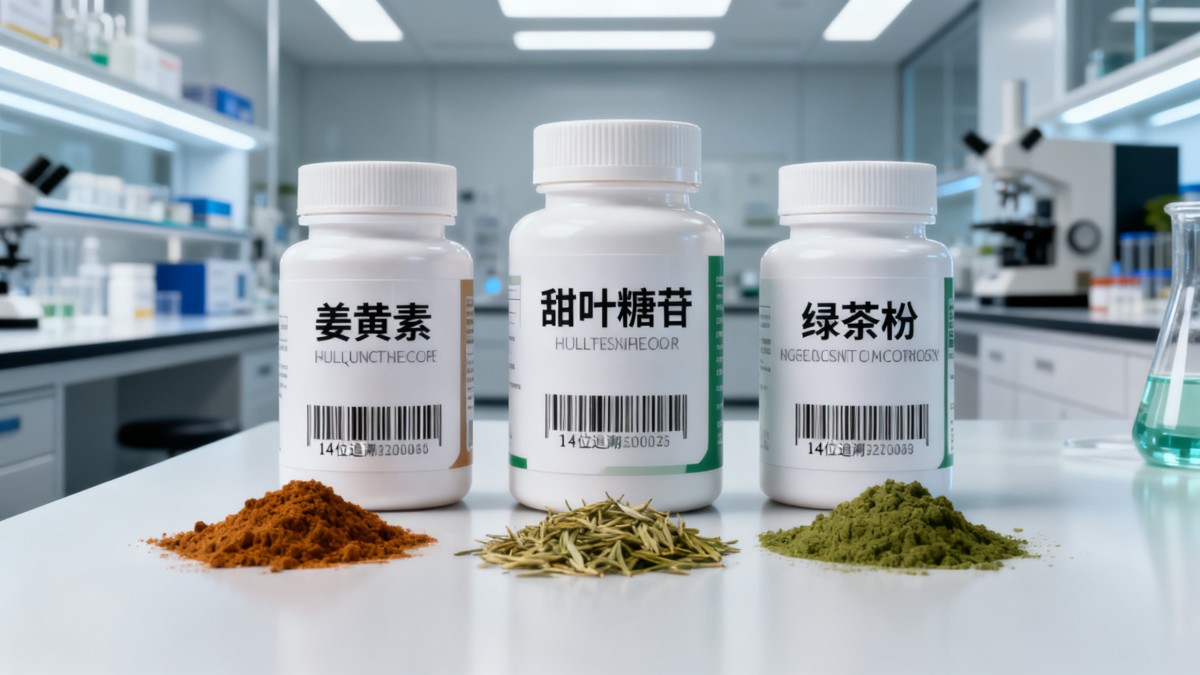
What deserves closer attention is product scope inside each exporter’s portfolio. The provided information specifically refers to food additives using botanical extracts as raw materials, with examples including curcumin, steviol glycosides, and green tea polyphenols. Companies active in these or similar categories should review which SKUs are most exposed to Brazil’s supermarket and e-commerce channels.
Supplier evidence and traceability readiness
For commercial teams and supply-chain managers, the practical question is whether upstream evidence can support the required code linkage to an ANVISA-filed non-GMO cultivation-base database. This is not only a labeling matter; it also affects how supplier materials, supporting records, and customer-facing compliance responses are organized.
Customer communication and delivery planning
From an operational perspective, exporters and service providers should closely track customer communication, delivery timing, and any stock already allocated to Brazil. Where channel access depends on the presence of the code, even small delays in labeling readiness or documentation matching may affect handover, listing continuity, or reorder timing.
Why This Looks Like More Than a Routine Label Update
Observably, this development is better understood as a market-access signal rather than a minor packaging adjustment. The requirement connects three elements at once: non-GMO traceability, official database linkage, and channel eligibility. That combination matters because it turns traceability from a back-office claim into a visible and enforceable commercial condition.
At the same time, it is more appropriate to understand this as an active regulatory development that still requires continued observation, not as a fully settled long-term market conclusion. The provided information confirms the rule and its immediate consequence for unlabeled products, but the broader commercial effect across product lines and trading relationships still depends on implementation in day-to-day business flows.
How the Industry May Need to Read This Development
From an industry perspective, the immediate message is clear: for botanical extract-based food additives entering Brazil’s major retail and e-commerce channels, traceability presentation has become part of market entry conditions. The near-term issue is compliance execution.
More broadly, the development is best read as a concrete short-term change with possible longer-term signaling value. It already affects access to key downstream channels according to the provided information, yet the full extent of its market impact still needs to be assessed through ongoing implementation and follow-up verification.
Basis of This Article and What Still Needs Verification
This article is based on the user-provided news title, event date, and event summary concerning ANVISA’s Portaria no. 412/2026 and the July 15, 2026 labeling requirement for botanical extract-based food additives in Brazil.
For this type of industry update, source categories commonly relevant include official regulatory notices, company disclosures, industry association updates, authoritative media reporting, and standard or compliance documents. A specific official source link was not provided in the input, so the exact original publication path still needs ongoing verification.
What should continue to be monitored includes any further official wording, clarification of implementation details, and how the requirement is applied in actual supermarket and e-commerce channel operations.
Related Intelligence
- Botanical ExtractsChoosing Botanical Extracts for Pharmaceuticals: Potency, Purity, and ComplianceBotanical extracts for pharmaceuticals: learn how to assess potency, purity, traceability, and GMP compliance for confident, regulatory-ready supplier selection.
- Botanical ExtractsBotanical Extracts Market Outlook: Supply, Pricing, and Buyer RisksBotanical extracts market insights on supply, pricing, quality control, and buyer risks—compare suppliers confidently and protect your sourcing strategy.
- Botanical ExtractsEurope Botanical Extracts Market: Key Growth Drivers, Risks, and OpportunitiesEurope botanical extracts market insights: explore growth drivers, regulatory risks, supply-chain challenges, and scalable opportunities for compliant, high-value ingredients.
The Morning Broadsheet
Daily chemical briefings, market shifts, and peer-reviewed summaries delivered to your terminal.
