

The Authority in Global Agricultural Chemistry & Bio-Resources
What Changes Bulk HDPE Fishing Net Costs Across Seasons and Orders

For teams evaluating hdpe fishing nets bulk sourcing, price is rarely a fixed number. Seasonal resin shifts, factory loading, freight changes, and order structure all move the final landed cost. A quote that looks competitive in one month may become less attractive in the next. Understanding these moving parts helps buyers compare offers more accurately and avoid preventable budget overruns.
This article explains what changes bulk HDPE fishing net costs across seasons and orders. It focuses on practical checks that improve timing, supplier comparison, and negotiation quality. The goal is not just to find a lower unit price, but to secure stable quality, compliant specifications, and predictable delivery economics.
Why a structured review matters for hdpe fishing nets bulk decisions
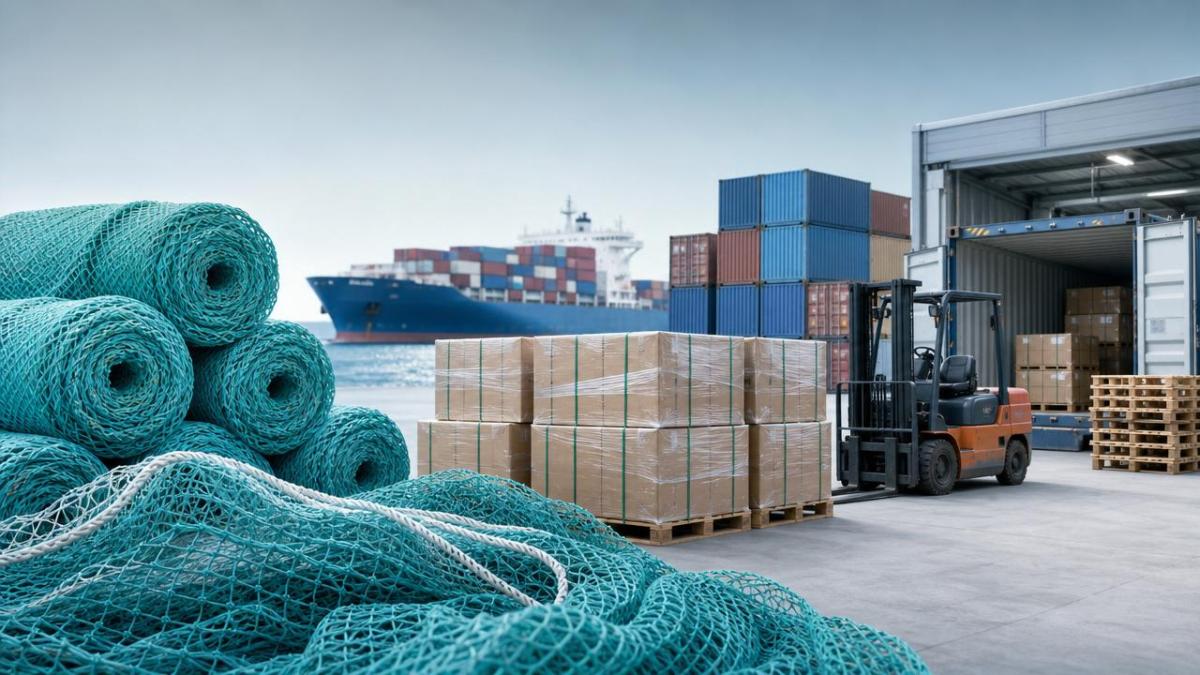
Bulk net pricing can appear simple because quotations often show only weight, mesh size, and unit rate. In reality, the cost base includes raw material grade, additives, knotting or knotless construction, machine allocation, packaging, and shipping mode.
A structured review reduces confusion between low headline pricing and true delivered value. It also helps separate temporary seasonal discounts from durable cost advantages. This is especially important when comparing hdpe fishing nets bulk offers from different regions or production calendars.
Core checks that change bulk HDPE fishing net costs
- Track HDPE resin cycles by quarter, because polymer feedstock trends often influence hdpe fishing nets bulk pricing faster than finished product contracts are updated.
- Confirm whether peak fishing seasons increase local demand, since production slots tighten and short-lead orders may carry rush premiums or reduced discount flexibility.
- Check UV stabilizer, color masterbatch, and anti-abrasion additive requirements, because enhanced formulations improve service life but raise per-kilogram manufacturing cost.
- Compare knotless versus knotted construction carefully, as machine speed, labor input, and net performance can alter the real value behind similar quote totals.
- Review mesh size, twine diameter, depth, and panel dimensions together, because minor specification changes can significantly increase resin consumption and production time.
- Verify order volume against factory economic batch size, since suboptimal runs usually spread setup costs across fewer units and weaken hdpe fishing nets bulk discounts.
- Ask whether mixed specifications are packed in one order, because complexity in sorting, labeling, and palletization often adds handling charges.
- Evaluate freight seasonality, including container shortages and port congestion, since logistics volatility can outweigh small ex-works savings in international net sourcing.
- Inspect packaging requirements such as bale wrapping, moisture protection, and export marking, because customized presentation affects labor and material expense.
- Confirm currency exposure and payment terms early, since exchange-rate swings and financing conditions can materially change the total landed cost of hdpe fishing nets bulk.
Seasonal factors behind price movement
Raw material pricing is often the first variable. HDPE resin costs can rise with energy markets, petrochemical maintenance cycles, and regional supply disruptions. When resin strengthens, factories may shorten quotation validity or adjust prices before shipment.
Production seasonality matters too. Before active aquaculture or coastal harvesting periods, demand for hdpe fishing nets bulk can rise quickly. Higher machine utilization reduces room for negotiation, especially for customized nets with strict dimensions.
Order structure factors behind price movement
Larger orders usually improve unit economics, but only when specifications are standardized. If one purchase combines many mesh sizes, colors, and rope assemblies, internal handling costs can offset expected volume discounts.
Lead time also changes price behavior. Flexible ordering lets factories schedule production during lower-load periods. Urgent requests for hdpe fishing nets bulk may trigger overtime, expedited material buying, or less efficient line allocation.
What to compare across common buying situations
Pre-season stocking
Pre-season buying often offers better factory planning conditions. It can support stronger pricing if resin markets are stable and logistics lanes remain uncongested. Longer lead times also allow broader supplier screening.
In this case, compare quote validity, storage conditions, and packaging durability. For hdpe fishing nets bulk, the savings from early ordering can disappear if prolonged storage damages labeling or net integrity.
In-season replenishment
Replenishment orders usually face tighter delivery windows. Availability may matter more than the lowest nominal price. Suppliers with ready resin inventory or reserved machine time can sometimes outperform cheaper but slower alternatives.
For this scenario, compare realistic dispatch dates, partial shipment options, and regional freight alternatives. In urgent hdpe fishing nets bulk procurement, a slightly higher ex-works price may reduce total downtime cost.
Mixed-specification orders
Orders serving multiple sites often require different depths, mesh openings, colors, or edge reinforcement. These combinations improve operational fit, yet they reduce production simplicity and can increase error risk.
The best comparison point is not just price per kilogram. Review cutting tolerance, labeling detail, packing separation, and inspection method. Mixed hdpe fishing nets bulk orders need stronger documentation than standard runs.
Long-term contract volumes
Longer agreements can smooth seasonal volatility. They may support indexed pricing tied to resin benchmarks, fixed conversion fees, or committed production capacity. This can be useful when market swings are frequent.
However, contract value depends on adjustment rules. For hdpe fishing nets bulk, review minimum call-off volume, revision frequency, and quality consistency clauses before treating a long-term offer as lower risk.
Often missed cost items and risk signals
- Quoted net weight may exclude accessories, selvedge reinforcement, or hanging rope, creating misleading comparisons between suppliers offering different completion levels.
- Low prices can reflect recycled-content variations or lighter actual twine diameter, which may reduce durability and raise replacement frequency.
- Short quote validity in volatile resin markets may transfer pricing risk downstream, especially when delivery dates remain unconfirmed.
- Freight estimates based on old container rates can distort landed cost, particularly for cross-border hdpe fishing nets bulk shipments.
- Insufficient test data on UV resistance, tensile strength, or knot security can hide lifecycle costs that exceed initial purchase savings.
Another missed factor is compliance and documentation quality. Even when fishing net products are technically simple, export paperwork, origin declarations, and packing accuracy affect clearance speed and downstream handling.
Factory communication discipline also matters. Slow revision control on drawings or order confirmations can create specification mismatches. With hdpe fishing nets bulk, small production errors can scale into major financial loss.
Practical execution steps for better cost control
Start with a normalized comparison sheet. List resin type, mesh size, twine diameter, UV package, net construction, unit weight, packaging, Incoterm, and lead time on one page. This prevents false price comparisons.
Request separate visibility for product cost and logistics cost. When reviewing hdpe fishing nets bulk, this makes it easier to identify whether savings come from manufacturing efficiency or temporary freight advantages.
Use two timing scenarios in evaluation. One should reflect current need. The second should reflect an earlier or later order window. This simple method shows how seasonality changes total economics.
Where possible, test a pilot batch before consolidating annual volume. Pilot data can verify weight consistency, dimension accuracy, and packaging suitability before larger hdpe fishing nets bulk commitments are locked.
Finally, ask for a clear change-control process. If resin prices move, specifications shift, or shipping schedules change, written adjustment rules reduce disputes and support more reliable budgeting.
Final takeaways for evaluating hdpe fishing nets bulk
The cost of hdpe fishing nets bulk changes across seasons and orders because the product sits at the intersection of petrochemical inputs, production timing, customization, and freight volatility. Unit price alone rarely tells the full story.
A stronger evaluation approach checks resin direction, factory loading, specification complexity, logistics seasonality, and documentation quality together. That creates a more realistic picture of landed cost and supply reliability.
For the next sourcing cycle, compare at least two order timings, standardize the quote format, and validate hidden cost items before approval. That process will improve negotiating leverage and produce more dependable hdpe fishing nets bulk purchasing outcomes.
Related Intelligence
- Commercial FishingWhat Should You Check in a Fishery Equipment Maintenance Contract?What should I look for in a fishery equipment maintenance contract? Explore coverage, response times, costs, records, safety, and biosecurity essentials.
- Commercial FishingDo commercial fishing vessels with hybrid diesel-electric propulsion reduce fuel cost per kg landed by more than 12%?Commercial fishing vessels with hybrid diesel-electric propulsion *can* cut fuel cost per kg landed by >12%—but only under precise operational and infrastructure conditions. Discover the real ROI.
- Commercial FishingHow to Choose Oyster Processing Equipment for Capacity, Hygiene, and Labor EfficiencyOyster processing equipment guide: compare capacity, hygienic design, and labor efficiency to build a reliable, scalable line and make smarter buying decisions.
The Morning Broadsheet
Daily chemical briefings, market shifts, and peer-reviewed summaries delivered to your terminal.
