

The Authority in Global Agricultural Chemistry & Bio-Resources
What Certifications Do Fishery Supplies Need for Export?
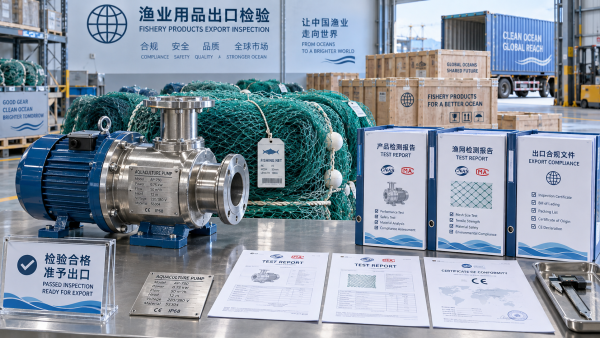
A shipment of aerators, fishing nets, or aquaculture feed can be ready for dispatch yet still lack the evidence needed for import clearance or lawful sale. So, what certifications should fishery supplies carry for export? There is no universal fishery-supply certificate. Requirements depend on the product’s classification, destination, materials, technical features, and intended use. Machinery may need conformity documentation, feed may require sanitary certification, and chemical treatments may need product authorization.
The practical starting point is to separate mandatory market-access evidence from voluntary supplier credentials. An ISO certificate or sustainability label can support procurement decisions, but it does not replace a required import permit, declaration of conformity, or official health certificate. Establish those requirements before booking freight; missing approvals can cause detention, relabeling, rejected entry, or restrictions on sale after clearance.
Which product category determines the requirements?
“Fishery supplies” is a commercial description, not a single regulatory category. A supplier selling pond pumps, disinfectants, and fish feed may need three different compliance packages for the same destination. Even similar-looking products can follow different rules: a plain net differs from an electronically monitored net, while an ordinary water conditioner differs from a product marketed to treat fish disease.
Edible fish and seafood are another category. Their official health certification, establishment eligibility, food-safety controls, and sometimes catch documentation should not be treated as the default requirements for equipment or feed. A catch certificate concerns eligible fishery products and their harvesting history, not every item used by a fishing business.
Does aquaculture equipment need CE marking or a third-party certificate?
For equipment entering the European Union, CE marking is required only when the product falls under legislation that requires it. Powered aquaculture equipment may be subject to machinery, electrical safety, electromagnetic compatibility, or radio-equipment requirements, depending on its design. Ordinary ropes or unpowered nets do not become CE-marked products simply because they are used in aquaculture.
CE marking is not a general quality award, and an outside laboratory certificate is not always the legally required conformity route. Depending on the applicable legislation, the manufacturer may assess conformity and issue an EU Declaration of Conformity, or third-party involvement may be necessary. Ask which requirements apply to the exact model and why the chosen assessment route is appropriate.
A useful equipment document package connects the physical unit to its evidence:
- The declaration identifies the manufacturer, product, model, and applicable legislation.
- Relevant test reports match the supplied design, including electrical ratings and critical components.
- Required labels, markings, instructions, and warnings are prepared for the destination.
- The responsible business can provide the technical documentation required by the applicable rules.
For the United States, do not assume there is an equivalent universal import certificate. Electrical approvals may be required by workplace rules, local codes, installation authorities, or buyers rather than as a blanket customs condition. Radio-equipped products can also trigger federal equipment-authorization requirements. Confirm both border requirements and installation requirements: clearing customs does not establish that equipment may lawfully be installed at a facility.
What paperwork should accompany fish feed and feed additives?
Feed requires closer attention to ingredients, manufacturing location, and sanitary status than most mechanical supplies. The destination may require importer registration, establishment approval, an import permit, product registration, or an official sanitary certificate. These requirements are not interchangeable, and some must be completed before production or dispatch.
Animal-origin ingredients, including fishmeal and fish oil, can trigger controls that do not apply to plant-based materials. Eligibility may depend on the exporting country, processing conditions, and establishment status. An ingredient permitted in one market may be restricted in another, while a feed additive may require authorization for a particular species or use.
Request a complete formulation or sufficient regulatory disclosure, intended species, manufacturing-site details, label artwork, and a batch certificate of analysis. The analysis should cover parameters relevant to the product and destination, such as composition, contaminants, or microbiological criteria. A certificate of analysis is batch evidence, not import approval. It cannot cure an unauthorized ingredient or an ineligible manufacturing site.
Where an official certificate is required, confirm its prescribed wording and issuing authority before shipment. A supplier-created “health certificate” is not equivalent to a certificate issued or endorsed by the competent authority when the importing country requires official certification.
How are disinfectants, water treatments, and fish medicines assessed?
The first question is what the product is legally intended to do. A chemical sold to disinfect equipment, control parasites, improve water conditions, or treat disease may fall into different regulatory categories. Marketing claims matter alongside formulation; changing the description on an invoice does not remove the obligations created by the actual product and use.
Depending on the destination, a disinfectant may require biocidal or pesticide authorization, while a treatment for fish disease may require veterinary-medicine approval. There may also be restrictions related to use in food-producing species. Establish whether authorization covers the exact formulation, intended application, and responsible supplier—not merely an ingredient with a similar name.
A safety data sheet communicates hazards and handling information; it is not proof that a product is authorized for sale. Similarly, a chemical analysis report supports identity or purity but does not establish regulatory approval. Dangerous-goods classification may create separate packaging, labeling, and shipping-document requirements. Resolve those with the carrier before booking, rather than discovering them when cargo is tendered.
Are ISO, GMP, HACCP, and sustainability certifications mandatory?
These terms describe different kinds of assurance and should not be grouped into a single export checklist. ISO 9001 certification concerns a quality-management system within a stated scope. It does not certify every product, guarantee performance, or authorize entry into a destination market.
GMP and HACCP can be relevant to regulated manufacturing and food or feed safety. Whether a particular system, official inspection, or independently issued certificate is required depends on the product and jurisdiction. A GMP document for one manufacturing activity does not automatically cover a supplier’s unrelated chemical or feed business.
Sustainability and responsible-sourcing certifications are often voluntary or contractually required. They may matter to institutional buyers, but their scope must match the goods. A certification covering a farm, fishery, or chain of custody does not necessarily certify nets, pumps, or feed sold by an associated company. Check whether the claim applies to the purchased product and whether transaction-level evidence is needed.
How can buyers verify that supplier documents actually cover the shipment?
Begin with identity, not the logo on the certificate. Match the legal entity, manufacturing address, product model, formulation, and batch details against the purchase order and shipping documents. A trading company may legitimately provide a manufacturer’s evidence, but the relationship and product traceability need to be clear.
- Check the issuer. Verify official documents through the relevant authority where possible. For private certifications, check the certification body and any claimed accreditation using available official directories.
- Read the scope. Confirm that the covered site, activity, and products include the goods being purchased.
- Check status and dates. Look for expiry, suspension, withdrawal, and destination-specific validity limits.
- Connect reports to production. Identify whether testing covers the current model or formulation and whether subsequent changes affect its relevance.
- Confirm destination acceptance. A genuine certificate can still be unsuitable if the importing authority requires a different issuer, format, or conformity route.
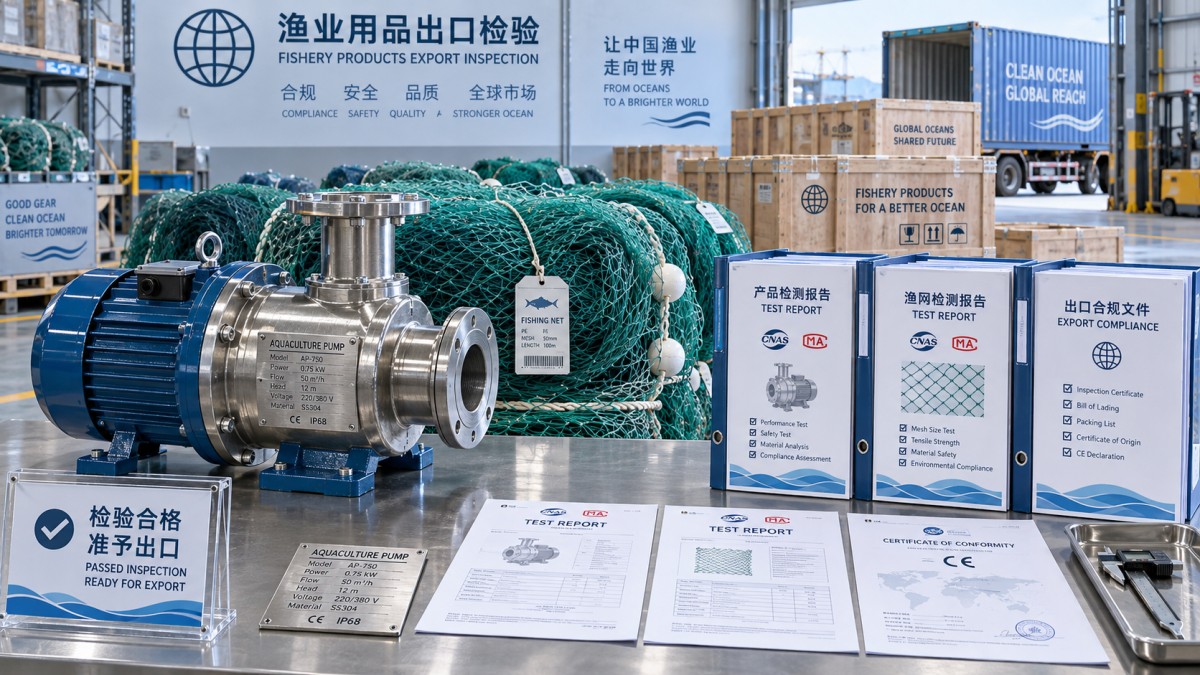
Warning signs include altered model numbers, certificates issued to unrelated entities, missing annexes, and test reports that describe a different voltage or ingredient profile. Treat a claim such as “internationally approved” as incomplete until the supplier identifies the approving body, scope, and applicable market.
What should be agreed before freight is booked?
Create a shipment-specific document schedule with the importer. Record the product description, proposed tariff classification, origin, destination, intended use, required evidence, issuing party, and completion deadline. Tariff classification helps identify border controls, but it does not replace a technical assessment of product-safety or chemical requirements.
Keep regulatory evidence separate from ordinary trade documents. Commercial invoices, packing lists, transport documents, and certificates of origin serve different purposes. Preferential origin evidence may support a tariff claim; it is not a safety certificate. Wood packaging may also require treatment and marking under applicable phytosanitary rules, independently of the goods inside it.
For mixed shipments, assess each product line rather than applying one certificate to the container. A consignment containing pumps, feed, and disinfectant may involve different authorities and handling conditions. Identify any line awaiting approval before consolidation so it does not jeopardize the release of otherwise compliant goods.
Can certification be completed after the goods arrive?
Do not plan on retrospective approval. Some missing commercial documents can be corrected, but pre-shipment health inspections, prior import permits, establishment eligibility, and certain authorizations cannot simply be recreated after arrival. Ask the importer to confirm which documents must exist before loading and which must accompany the shipment in original or accepted electronic form.
Who is responsible when the supplier says the importer will handle compliance?
Responsibilities depend on applicable law and the sales agreement. Incoterms allocate delivery-related tasks, costs, and risks, but they do not erase statutory duties assigned to manufacturers, importers, or other economic operators. Put document responsibilities in the purchase contract, including who obtains permits, who holds technical evidence, and who pays for corrective work.
When does a change require a fresh compliance review?
Recheck requirements when the destination, manufacturing site, formulation, model, intended use, or regulatory status changes. Substituting a motor, adding wireless control, or changing an animal-origin feed ingredient can affect the evidence required. Before releasing the revised shipment, have the responsible importer or regulatory specialist resolve the specific change against current official requirements rather than relying on the previous shipment’s clearance.
Related Intelligence
- Commercial FishingWhat Certifications Do Fishery Supplies Need for Export?What certifications should fishery supplies carry for export? Explore requirements for equipment, feed, and chemicals to avoid costly delays and ship with confidence.
- Commercial FishingWhat Should You Check in a Fishery Equipment Maintenance Contract?What should I look for in a fishery equipment maintenance contract? Explore coverage, response times, costs, records, safety, and biosecurity essentials.
- Commercial FishingDo commercial fishing vessels with hybrid diesel-electric propulsion reduce fuel cost per kg landed by more than 12%?Commercial fishing vessels with hybrid diesel-electric propulsion *can* cut fuel cost per kg landed by >12%—but only under precise operational and infrastructure conditions. Discover the real ROI.
The Morning Broadsheet
Daily chemical briefings, market shifts, and peer-reviewed summaries delivered to your terminal.