

The Authority in Global Agricultural Chemistry & Bio-Resources
US Commercial Fisheries Seek Access to USDA Federal Support Programs
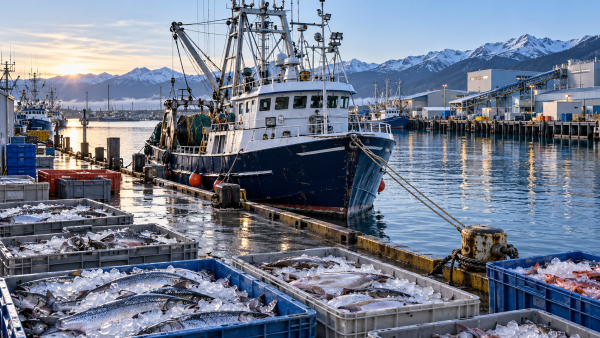
During the 2026 Pacific Marine Expo, a discussion on bringing seafood into US Department of Agriculture (USDA) and other federal programs put the sector’s access to policy support and funding on the agenda. For commercial fishers and seafood businesses, the initiative raises questions about whether longstanding barriers to agricultural program support could eventually change, and what that might mean for supply and procurement decisions.
Seafood’s Place in Federal Programs
At the expo, industry participants held a panel discussion titled “Fish is Food” to explore pathways for including seafood in USDA and other federal programs. Seafood has long been treated as a non-agricultural product, making it difficult to obtain support through federal agricultural programs. The initiative seeks to change that regulatory and market-access situation and secure more policy resources and funding channels for commercial fishers.
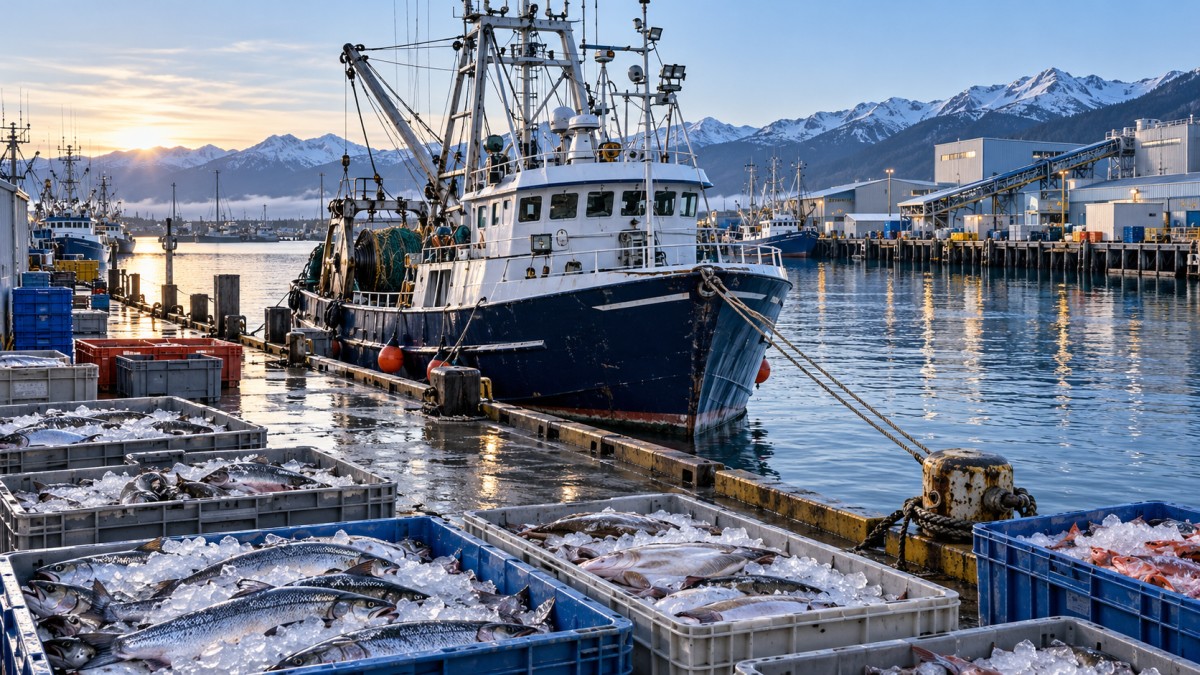
Where Broader Access Could Affect the Seafood Chain
Funding Options for Commercial Fishers
From an industry perspective, access to federal programs could give commercial fishers additional options for seeking support. The practical effect would depend on whether seafood is included, which programs are involved and what eligibility conditions are established. None of those details is confirmed in the information provided.
Supply Planning for Seafood Businesses
Processors and other seafood buyers could see implications for sourcing and supply planning if program access changes the resources available to fishing businesses. For now, any effect on availability, purchasing arrangements or delivery remains speculative. Buyers may wish to monitor whether future program descriptions address the seafood products and suppliers relevant to them.
Questions for Businesses Along the Supply Chain
Analysis suggests that distributors and other supply-chain participants could need to assess their role if a future program covers seafood. Any documentation or eligibility requirements would depend on the program’s design; the discussion described in the input does not establish new requirements for these businesses.
What Businesses Can Check Now
Watch for Program-Specific Decisions
Businesses can monitor subsequent official announcements for whether seafood becomes eligible for particular USDA or other federal programs. Relevant questions include which products and participants are covered, how eligibility is defined and when any change would take effect.
Review Supplier and Product Information
Commercial fishers and their buyers may find it useful to review the information they already hold about products and suppliers. This is a preparation step, not a new compliance requirement: no application documents, certifications or verification procedures are specified in the available input.
Keep Procurement Assumptions Provisional
Procurement teams can assess how potential changes in support might affect their supplier planning while keeping current purchasing and delivery assumptions separate from unconfirmed proposals. Any adjustment would need to be evaluated against the terms of a program if one is announced.
A Discussion, Not a Confirmed Rule Change
At this stage, it is more appropriate to understand the panel as an industry initiative seeking a change than as evidence that a new rule or funding program has taken effect. The information provided does not establish an implementation timetable, eligibility criteria or an official decision. Future official statements and industry feedback would help determine whether the discussion leads to a practical route into federal programs.
The Question Ahead for Seafood Suppliers
The initiative highlights a potential shift in how seafood is considered for federal support, but its business consequences remain contingent on decisions and details not yet provided. Commercial fishers and seafood businesses can treat it as a development to monitor, rather than as a basis for assuming access to funding or changing compliance procedures.
Basis for This Report and Further Verification
This article is based on the user-provided news title, event timing and event summary. No specific official source link was provided in the input, so the underlying information and any subsequent developments require continued verification. Official announcements and industry information may help clarify any policy details, eligibility rules, implementation decisions and industry feedback.
Related Intelligence
- Commercial FishingUS Commercial Fisheries Seek Access to USDA Federal Support ProgramsUS commercial fisheries seek access to USDA federal support programs. Explore what potential changes could mean for seafood suppliers and buyers.
- Commercial FishingRussia Plans 15% Cut to 2027 Fisheries Development BudgetRussia plans a 15% cut to its 2027 fisheries development budget, bringing it to RUB 18.7 billion. Explore potential impacts on fleet renewal, aquaculture and future seafood supply.
- Commercial FishingCommercial Neoprene Chest Waders: Choosing Thickness and Grip for Cold-Water FishingChoose commercial neoprene chest waders with confidence. Compare thickness, boot fit, and sole grip to find the right setup for cold-water fishing and demanding work.
The Morning Broadsheet
Daily chemical briefings, market shifts, and peer-reviewed summaries delivered to your terminal.
