

The Authority in Global Agricultural Chemistry & Bio-Resources
British Columbia Salmon Farming Ban Faces National Security Scrutiny
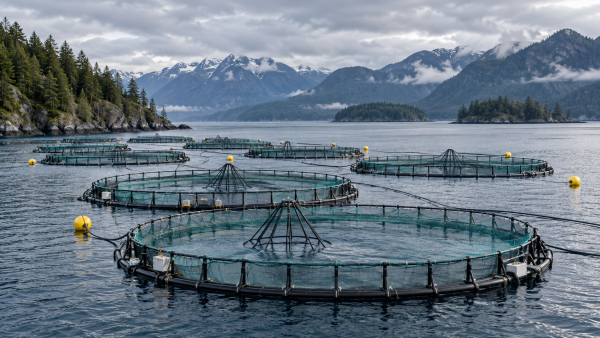
Canadian Seafood Farmers has called for a reassessment of the federal ban on salmon farming in British Columbia, arguing that it conflicts with Canada's new national security commitments. The timing of the event was not specified. For salmon producers, buyers and supply-chain businesses, the dispute raises questions about domestic supply and potential reliance on imports.
Farmers Question the Ban Against Security Commitments
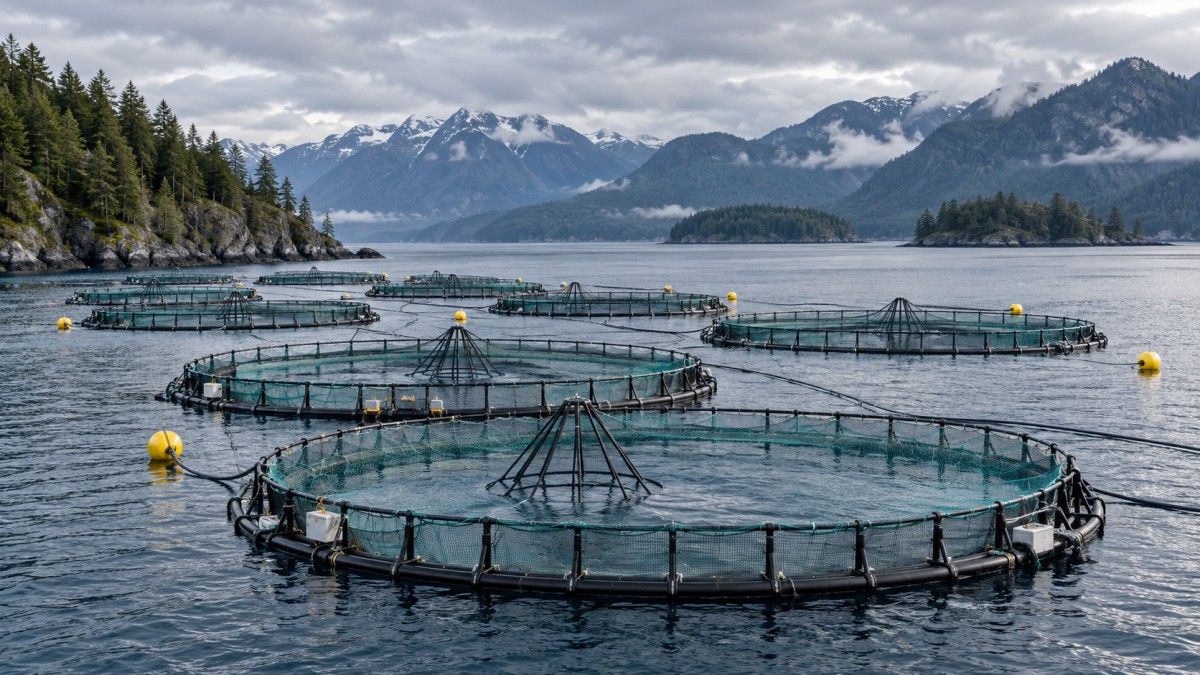
Canadian Seafood Farmers says the federal government's ban on salmon farming in British Columbia is inconsistent with its new national security commitments. The organization points to federal funding for aquaculture projects in Asia alongside the closure of domestic capacity, and has called for the ban's effects on the domestic supply chain to be reassessed. It also raises concerns about food security and import dependence.
Potential Pressure Points Across the Salmon Supply Chain
Domestic Production and Supply Planning
From an industry perspective, salmon farmers and their suppliers may need to assess how the ban applies to their operations and future supply commitments. The input does not specify the ban's scope, implementation schedule or conditions, so its effects on individual businesses cannot be determined from this information alone.
Procurement and Processing
Analysis suggests that buyers and processors relying on British Columbia farmed salmon could face sourcing questions if domestic capacity becomes less available. They may need to examine supplier commitments, delivery arrangements and the availability of alternatives. The extent of any disruption or shift toward imports remains unconfirmed.
Distribution and Imported Supply
Distributors and other supply-chain businesses may need to consider how changes in sourcing could affect delivery planning and traceability. Where imported salmon is considered as an alternative, buyers should verify the applicable trade and product requirements rather than assume that the ban itself establishes new import rules.
What Businesses Can Check Now
Confirm the Applicable Policy
Businesses can seek current official information on the ban's scope, timing and any conditions relevant to their operations. The association's call for reassessment does not establish that the policy has changed or that a formal review has begun.
Review Supply Commitments
Buyers and suppliers may assess their exposure to British Columbia production by reviewing sourcing plans, supplier commitments and delivery schedules. Where alternatives are being considered, their availability and suitability should be verified before procurement plans are changed.
Verify Documentation and Market Requirements
For any proposed change in sourcing, businesses can check relevant product documentation, traceability and applicable market requirements with suppliers and the responsible authorities. No new certification, documentation or import requirement is specified in the information provided.
Reassessment Remains an Open Question
At this stage, the development is best understood as an industry challenge to an existing policy and a request for reassessment, not confirmation of a formal national security review or a revised rule. Further official statements on the ban, its implementation and any response to the association's concerns could affect how businesses assess supply risks.
A Policy Dispute With Supply Implications
The association's position places domestic salmon capacity and potential import dependence within the national security discussion. The practical effects remain uncertain without more detail on implementation and industry response. Businesses can treat the issue as a policy development to monitor while checking their own sourcing exposure.
Basis for This Report
This article is based on the supplied news title, event timing and event summary. No specific official source link was provided in the input, and the policy details and subsequent developments require continued verification. Relevant material to monitor includes official announcements and industry association information, particularly on implementation details, any policy reassessment and industry feedback.
Related Intelligence
- Commercial FishingBritish Columbia Salmon Farming Ban Faces National Security ScrutinyBritish Columbia salmon farming ban raises food security and supply chain concerns. Explore the industry’s call for reassessment and what buyers should monitor.
- Commercial FishingUS Commercial Fisheries Seek Access to USDA Federal Support ProgramsUS commercial fisheries seek access to USDA federal support programs. Explore what potential changes could mean for seafood suppliers and buyers.
- Commercial FishingRussia Plans 15% Cut to 2027 Fisheries Development BudgetRussia plans a 15% cut to its 2027 fisheries development budget, bringing it to RUB 18.7 billion. Explore potential impacts on fleet renewal, aquaculture and future seafood supply.
The Morning Broadsheet
Daily chemical briefings, market shifts, and peer-reviewed summaries delivered to your terminal.