

The Authority in Global Agricultural Chemistry & Bio-Resources
China to Impose Zero Tariffs on Goods from 53 African Countries Starting May 1, 2026
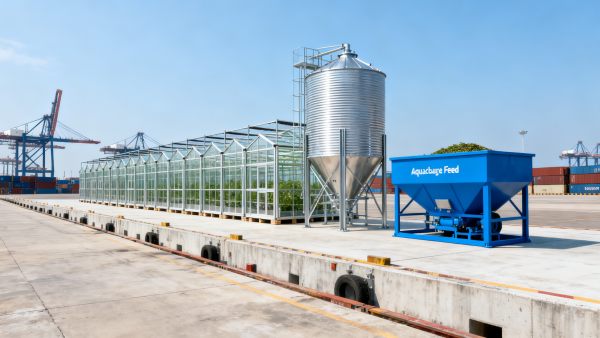
Effective May 1, 2026, China will apply zero tariffs on imports from all 53 African countries with which it maintains diplomatic relations—including 20 non-Least Developed Countries (non-LDCs). This policy directly impacts agricultural equipment and input suppliers, particularly those exporting commercial feed pellets, fully assembled smart greenhouses, grain storage systems, and aquaculture feeding equipment. For industry stakeholders in agri-tech manufacturing, international trade, and cross-border supply chain management, the change signals a material shift in cost structure, customs efficiency, and market access dynamics.
Event Overview
Per the announcement by China’s Tariff Commission of the State Council, zero-tariff treatment will apply to goods imported from the 53 African countries that have established diplomatic ties with China. The measure takes effect on May 1, 2026. It covers all categories of agricultural machinery and inputs—specifically named in the notice as commercial feed pellets, smart greenhouse complete units, grain storage systems, and aquaculture feeding equipment. Tariffs will be eliminated within applicable quota limits, reducing import duties and simplifying customs clearance for African importers.
Industries Affected by This Policy
Direct trading enterprises: Companies engaged in export-import operations between China and these 53 African countries will face lower tariff barriers on qualifying agricultural equipment and inputs. Impact manifests primarily in reduced landed costs and streamlined documentation requirements for quota-eligible shipments.
Raw material procurement enterprises: Firms sourcing components or sub-assemblies from Chinese manufacturers for final assembly or integration in Africa may benefit indirectly if their upstream suppliers pass on tariff savings—or if local African distributors gain pricing flexibility due to lower import duties.
Manufacturing enterprises (agri-tech OEMs/ODMs): Chinese producers of the specified equipment categories may see increased order visibility from African buyers, especially where price sensitivity is high. However, no automatic volume increase is guaranteed; demand remains contingent on end-market adoption, financing, and infrastructure readiness.
Distribution and channel partners: African importers, distributors, and agri-service providers handling the listed products will experience lower entry costs and potentially shorter customs processing times—improving working capital efficiency and inventory turnover for quota-based imports.
Supply chain service providers: Customs brokers, freight forwarders, and logistics platforms supporting China–Africa agri-equipment trade may observe higher shipment volumes for covered items—but only if importers actively utilize the quota mechanism and align documentation precisely with tariff classification codes.
Key Considerations and Practical Responses for Stakeholders
Monitor official implementation guidelines and quota allocation rules
The Tariff Commission’s announcement confirms the zero-tariff principle but does not yet detail quota size, product-specific HS code alignment, or application procedures. Stakeholders should track subsequent notices from China Customs and the Ministry of Commerce for operational clarity.
Verify eligibility of specific products against published HS codes
Not all variants of ‘smart greenhouses’ or ‘aquaculture feeding equipment’ may qualify automatically. Enterprises must cross-check their exported product classifications against the official tariff schedule to confirm coverage—and avoid misdeclaration risks during customs clearance.
Distinguish between policy intent and near-term commercial impact
This is a unilateral tariff concession—not a bilateral trade agreement. Its immediate effect depends on African importers’ awareness, capacity to meet quota documentation standards, and ability to finance imports. Early adoption is likely concentrated among larger, more experienced importers in South Africa, Nigeria, Kenya, and Egypt.
Prepare documentation and supplier coordination ahead of May 2026
Exporters and African importers should jointly review origin certification, invoice formatting, and packing list requirements. Proactive alignment reduces delays when the policy goes live—and supports faster quota utilization under time-bound administrative windows.
Editorial Perspective / Industry Observation
Observably, this policy functions primarily as a diplomatic and developmental signal—reinforcing China’s long-standing cooperation framework with African nations—rather than an immediate market-opening event. Analysis shows the zero-tariff measure targets specific, relatively low-volume agri-input categories rather than broad industrial goods. Its real-world traction will hinge less on tariff elimination itself and more on complementary factors: African customs digitization, availability of trade finance, and local technical capacity to deploy and maintain the equipment. From an industry perspective, it is better understood as a structural enabler—one that lowers one barrier among many, rather than a standalone growth catalyst.
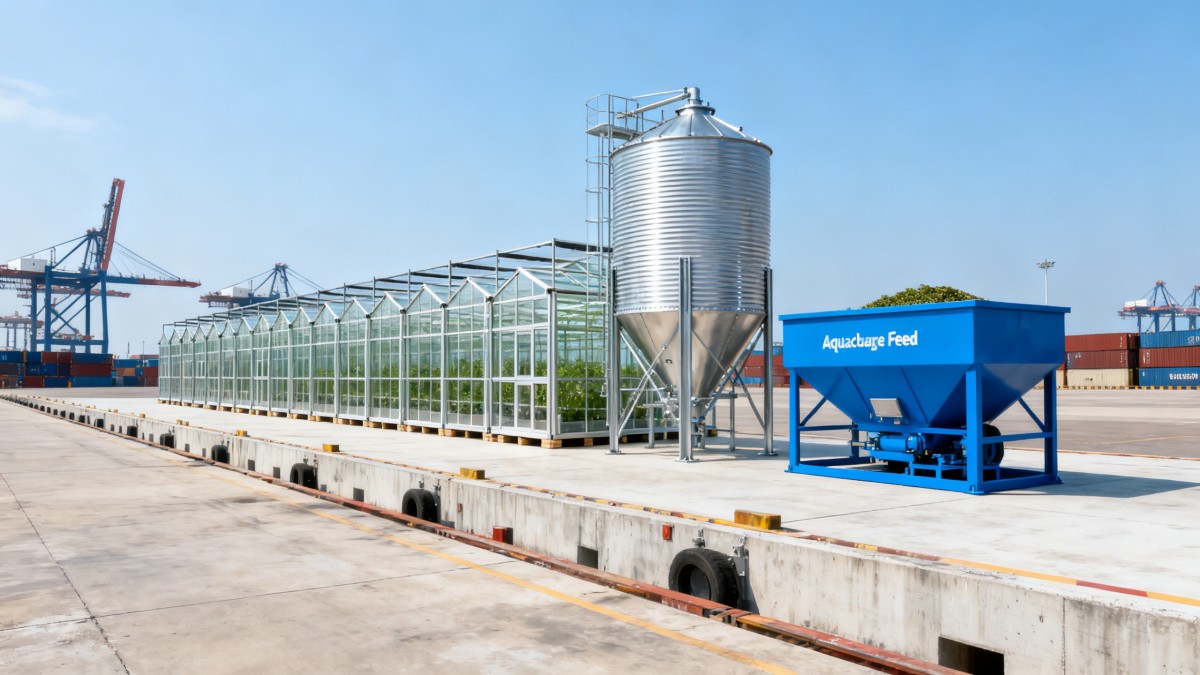
Concluding, this tariff adjustment marks a formalized step toward deeper China–Africa trade integration in the agricultural technology space. Yet its practical significance remains conditional—not automatic. For stakeholders, it is more accurately interpreted as an opportunity to re-evaluate existing trade workflows, strengthen documentation discipline, and engage proactively with counterparties ahead of implementation—rather than as an imminent surge in demand or margin expansion.
Source: Announcement by the Tariff Commission of the State Council of the People’s Republic of China. Note: Quota administration mechanisms, HS code mappings, and verification protocols remain pending official publication and are subject to ongoing observation.
Related Intelligence
- Smart GreenhouseGreenhouse Equipment for Vertical Farming: Choosing Lighting and VentilationChoose greenhouse equipment for vertical farming with confidence. Compare lighting, airflow, and moisture control to improve crop uniformity and manage costs. Explore the guide.
- Forestry EquipmentChoosing Compact Forestry Machinery for Small Woodlots and Narrow AccessChoose compact forestry machinery that fits small woodlots and narrow access. Compare payload, turning clearance, safety, and running costs to find the right machine for your site.
- APIs & IntermediatesProcurement Planning: Which Resource Reports Help Prevent Material Shortages?Discover how procurement planning resource reports reveal usable stock, shortage dates, and supplier risks so you can prevent material shortages and keep production on track.
The Morning Broadsheet
Daily chemical briefings, market shifts, and peer-reviewed summaries delivered to your terminal.
