

The Authority in Global Agricultural Chemistry & Bio-Resources
China Grants Zero-Tariff Access to 53 African Nations for Feed Pellets and Smart Greenhouses
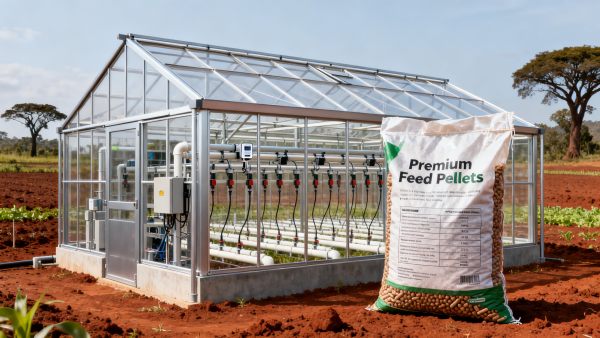
Effective April 28, 2026, China’s zero-tariff policy for goods from all 53 African countries with which it maintains diplomatic relations has entered full implementation—specifically covering commercial feed pellets, smart greenhouse systems, and climate control equipment. This trade facilitation measure directly supports the deepening of China–Africa agricultural cooperation and is already influencing procurement dynamics and tender timelines across East and West Africa.
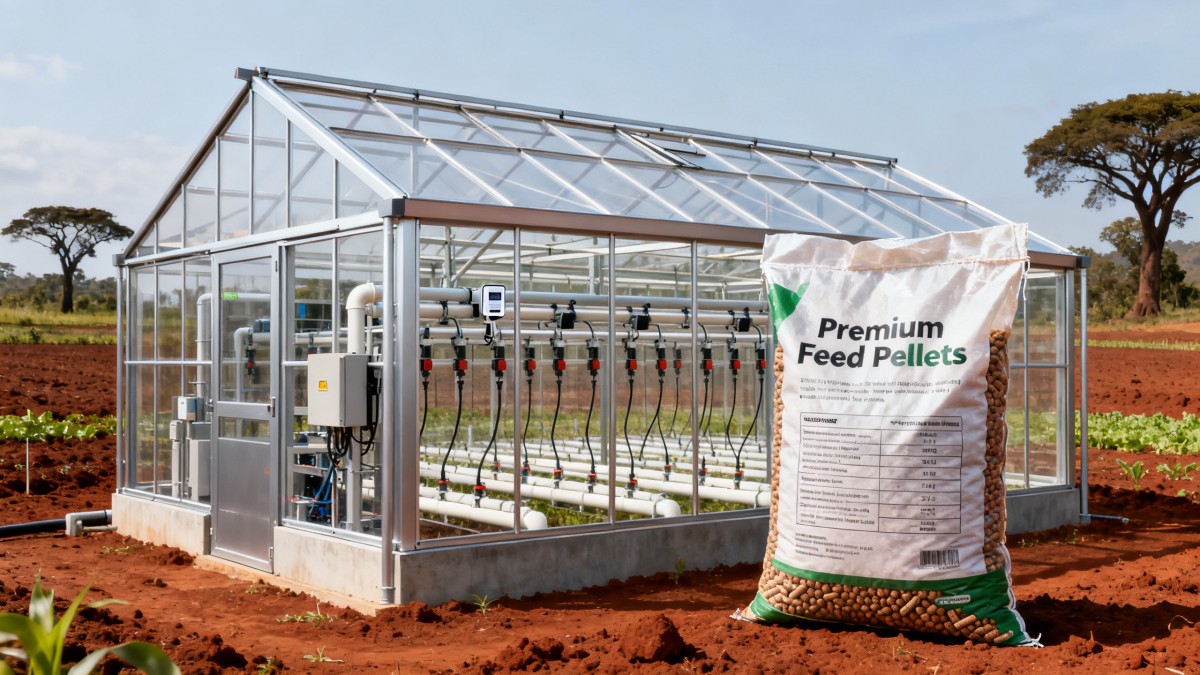
Policy Implementation Confirmed as of April 28, 2026
The zero-tariff treatment for Commercial Feed Pellet, Smart Greenhouse systems, and Climate Control devices—applicable to imports from all 53 African countries maintaining diplomatic ties with China—officially took effect on April 28, 2026, and is now fully operational. The policy reduces both import costs and customs clearance requirements for African buyers, and its rollout coincides with elevated bilateral engagement in agricultural development initiatives.
Impact Across Key Supply Chain Roles
Export-oriented trading enterprises
These firms face revised pricing strategies and faster order cycles, especially for standardized feed pellet and modular greenhouse exports. Reduced tariff uncertainty simplifies quotation and contract finalization—but also intensifies competition on delivery reliability and documentation accuracy.
Raw material suppliers
Suppliers of feed ingredients (e.g., soybean meal, vitamin premixes) and greenhouse structural components (e.g., polycarbonate panels, aluminum framing) may see increased downstream demand signals. However, they must align with tighter lead-time expectations and traceability requirements tied to export-ready batches.
Equipment manufacturers
Producers of Climate Control units and integrated Smart Greenhouse systems encounter accelerated tender activity—particularly for turnkey projects in East and West Africa. Yet technical compliance (e.g., voltage standards, dust/water ingress protection, local language labeling) becomes more critical during bid submission.
Logistics and compliance service providers
Customs brokers, certification support agencies, and freight forwarders report higher inquiry volumes related to origin verification, preferential certificate of origin (Form A) processing, and conformity assessments under African national standards—especially where local regulatory authorities are still clarifying enforcement protocols.
Strategic Priorities for Exporting Companies
Verify product eligibility and origin documentation
Confirm that specific SKUs—including Commercial Feed Pellet formulations and Smart Greenhouse system configurations—fall within the officially designated HS codes covered by the zero-tariff list. Prepare certified proof of origin well in advance of shipment.
Align technical specifications with regional tender requirements
East African and West African public-sector agricultural tenders increasingly reference localized environmental operating conditions (e.g., ambient temperature ranges, humidity tolerance, dust exposure). Ensure technical bids explicitly address these service conditions—not just nominal performance parameters.
Strengthen post-sale technical documentation
African procurement entities are prioritizing long-term operability: expect heightened scrutiny of maintenance manuals, spare parts availability statements, calibration certificates for climate sensors, and multilingual (English/French/Portuguese) safety instructions.
Assess supplier qualification readiness
Some newly launched smart agriculture parks require Tier-1 suppliers to demonstrate prior project experience in tropical or semi-arid agro-climatic zones. Manufacturers should proactively compile verifiable case studies and third-party validation reports relevant to African deployment contexts.
Industry Observation: Beyond Tariff Removal
Analysis shows this policy shift is less about isolated cost reduction and more about accelerating systemic integration: zero tariffs lower the entry barrier for Chinese agri-tech hardware into African public investment pipelines—but do not substitute for local regulatory alignment, after-sales capability, or contextualized engineering adaptation. What deserves closer attention is how rapidly national agricultural ministries refine their technical bidding requirements in response—and whether harmonized regional standards (e.g., EAC or ECOWAS frameworks) begin emerging to streamline cross-border project execution.
Broader Significance for Agri-Tech Trade
This measure marks a structural inflection point—not merely a customs concession. It signals an institutional commitment to embedding Chinese agricultural equipment within Africa’s food security infrastructure, contingent on sustained attention to operational resilience, lifecycle support, and co-developed technical capacity. Its long-term impact will depend less on tariff rates and more on how effectively exporters translate regulatory access into trusted, field-proven implementation.
Source Attribution and Monitoring Guidance
This article synthesizes the provided information: title, effective date (April 28, 2026), and summary description. Specific official source links were not provided in the input and should be verified continuously. Stakeholders are advised to monitor updates from China’s Ministry of Commerce (MOFCOM), the General Administration of Customs of China (GACC), and African national agricultural ministries—particularly regarding detailed product coverage lists, origin certification procedures, and evolving tender evaluation criteria for smart farming infrastructure projects.
Related Intelligence
- Smart GreenhouseGreenhouse Equipment for Vertical Farming: Choosing Lighting and VentilationChoose greenhouse equipment for vertical farming with confidence. Compare lighting, airflow, and moisture control to improve crop uniformity and manage costs. Explore the guide.
- Forestry EquipmentChoosing Compact Forestry Machinery for Small Woodlots and Narrow AccessChoose compact forestry machinery that fits small woodlots and narrow access. Compare payload, turning clearance, safety, and running costs to find the right machine for your site.
- APIs & IntermediatesProcurement Planning: Which Resource Reports Help Prevent Material Shortages?Discover how procurement planning resource reports reveal usable stock, shortage dates, and supplier risks so you can prevent material shortages and keep production on track.
The Morning Broadsheet
Daily chemical briefings, market shifts, and peer-reviewed summaries delivered to your terminal.
