

The Authority in Global Agricultural Chemistry & Bio-Resources
FDA Updates Import Alert for Botanical Extracts: Mycotoxin Retest Failure Rate Rises to 18.7%
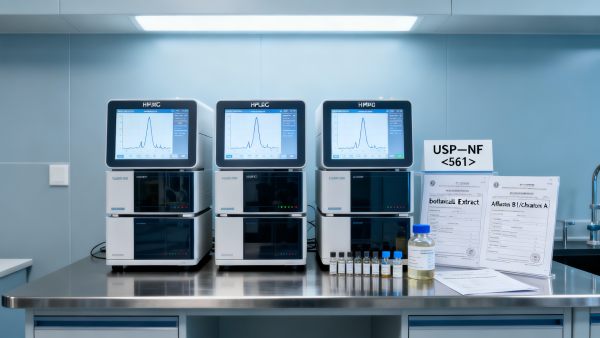
On May 8, 2026, the U.S. Food and Drug Administration (FDA) issued an updated import alert for botanical extracts, citing a sharp rise in mycotoxin retest failures — now at 18.7% — prompting heightened scrutiny for importers, suppliers, and manufacturers involved in dietary supplements, functional foods, herbal APIs, and natural cosmetics.
Event Overview
On May 8, 2026, the FDA published its Q2 2026 Import Alert update targeting botanical extracts. The alert states that the retest failure rate for aflatoxin B1/B2 and ochratoxin A has increased by 5.3 percentage points year-on-year, reaching 18.7%. The FDA explicitly advises importers to strengthen upstream raw material screening and prioritize Chinese suppliers certified under USP–NF <561> for mycotoxin control.
Industries Affected
Direct Trading Enterprises
Importers and export-oriented trading firms handling botanical extracts face elevated shipment detention risks and longer customs clearance cycles. The 18.7% retest failure rate directly correlates with increased FDA field examinations and potential refusal of entry — impacting cash flow, contract fulfillment timelines, and compliance reporting obligations.
Raw Material Procurement Entities
Companies sourcing bulk botanical powders or liquid extracts — especially those procuring from China — must now reassess supplier qualification criteria. Reliance on certificates of analysis (CoAs) alone is no longer sufficient; verification of USP–NF <561>-aligned testing protocols and facility-level controls becomes operationally critical.
Manufacturers of Finished Products
Supplement, functional food, and natural cosmetic manufacturers using botanical extracts as active ingredients may encounter supply chain delays or formulation interruptions. Batch-level traceability and documentation of mycotoxin testing history are now essential for both regulatory audits and customer due diligence requests.
Distribution & Channel Operators
Wholesalers, brand owners, and e-commerce platforms distributing finished products containing botanical extracts may face downstream compliance inquiries — particularly if product labels or marketing materials reference botanical origin or purity claims. Documentation gaps in ingredient sourcing could trigger retailer-level quality holds or shelf removal.
Key Actions for Stakeholders
Monitor Official Updates and Enforcement Patterns
Track subsequent FDA communications — including import alert revisions, warning letters referencing specific facilities or extract types (e.g., turmeric, ginger, ginseng), and any expansion of targeted toxins beyond aflatoxins and ochratoxin A.
Prioritize Supplier Certification Status in Sourcing Decisions
Verify whether current or prospective Chinese suppliers hold active USP–NF <561> certification — not just internal test reports — and confirm whether their certification covers the exact extract form (e.g., dry powder vs. standardized liquid) being procured.
Distinguish Between Policy Signal and Operational Impact
This alert reflects a tightening of enforcement focus, not a blanket ban. However, the 18.7% failure rate signals that non-certified or inconsistently tested suppliers carry measurable risk — making pre-shipment third-party mycotoxin screening a pragmatic operational safeguard, not merely a compliance checkbox.
Prepare Documentation for Import Entry and Audit Readiness
Maintain full documentation trails: CoAs with method validation details, batch-specific mycotoxin test results (including LOD/LOQ), supplier certification records, and internal screening protocols. These are increasingly required during FDA Prior Notice submissions and post-entry record requests.
Editorial Perspective / Industry Observation
Observably, this update functions primarily as a compliance signal — not yet a systemic disruption — but one with clear escalation potential. The 5.3-percentage-point jump suggests either improved FDA detection capability, increased contamination incidence, or both. From an industry perspective, the emphasis on USP–NF <561> certification signals a shift toward standardized, auditable controls rather than ad hoc testing. Analysis shows that while the alert applies broadly to botanical extracts, its practical impact is most acute for high-risk matrices (e.g., spices, roots, fermented botanicals) and suppliers lacking documented preventive controls. It is better understood as a calibration of FDA’s risk-based enforcement posture — one that rewards proactive, verifiable quality infrastructure over reactive testing.
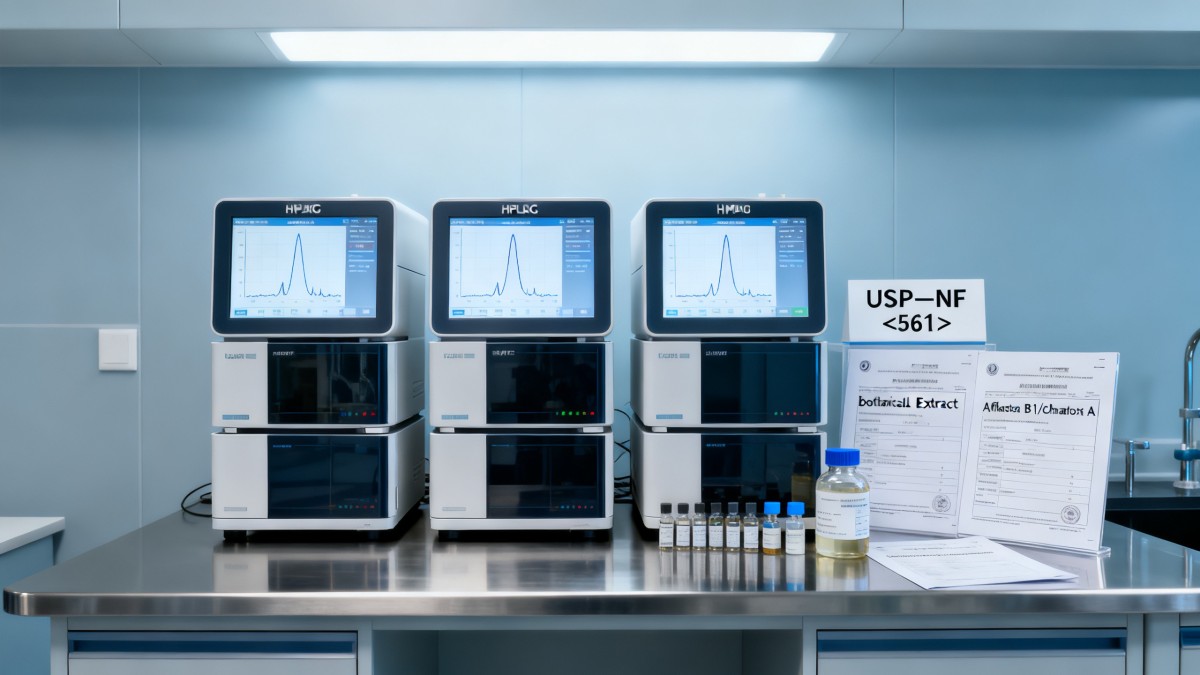
In summary, the FDA’s May 2026 import alert underscores growing regulatory expectations for mycotoxin management across the botanical supply chain. Its significance lies less in immediate restriction and more in its role as a benchmark for quality accountability — signaling that documentation, certification, and upstream diligence are now baseline requirements for market access. Currently, it is best interpreted as an enforceable expectation, not an isolated incident — and one that warrants structured, evidence-based response rather than reactive contingency planning.
Source: U.S. Food and Drug Administration (FDA), Import Alert #11-114 (Botanical Extracts), updated May 8, 2026.
Note: Ongoing observation is recommended for future FDA guidance on implementation timelines, scope expansion, or recognition of alternative certification frameworks.
Related Intelligence
- Botanical ExtractsChoosing Botanical Extracts for Pharmaceuticals: Potency, Purity, and ComplianceBotanical extracts for pharmaceuticals: learn how to assess potency, purity, traceability, and GMP compliance for confident, regulatory-ready supplier selection.
- Botanical ExtractsBotanical Extracts Market Outlook: Supply, Pricing, and Buyer RisksBotanical extracts market insights on supply, pricing, quality control, and buyer risks—compare suppliers confidently and protect your sourcing strategy.
- Botanical ExtractsEurope Botanical Extracts Market: Key Growth Drivers, Risks, and OpportunitiesEurope botanical extracts market insights: explore growth drivers, regulatory risks, supply-chain challenges, and scalable opportunities for compliant, high-value ingredients.
The Morning Broadsheet
Daily chemical briefings, market shifts, and peer-reviewed summaries delivered to your terminal.
