

The Authority in Global Agricultural Chemistry & Bio-Resources
EU Fisheries Ministers Discuss 2040 Vision and Atlantic Catch Limits
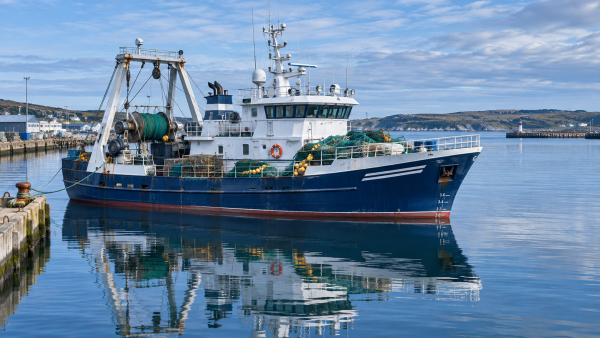
EU fisheries ministers met in Brussels on 23 November 2026 to exchange views on a 2040 vision for EU fisheries and aquaculture and to discuss fishing limits in Atlantic and other waters. The meeting brought together two connected questions: how the sector should develop over the long term and how fishing capacity can be balanced with available fishing opportunities.
The discussion aimed to support both the long-term sustainability and competitiveness of EU fisheries and aquaculture. Its immediate significance lies in the relationship between those goals and catch limits: the amount of fishing allowed can shape the opportunities available to fishing operators, while the longer-term vision concerns the direction of the sector as a whole.
Why fishing capacity and catch limits matter
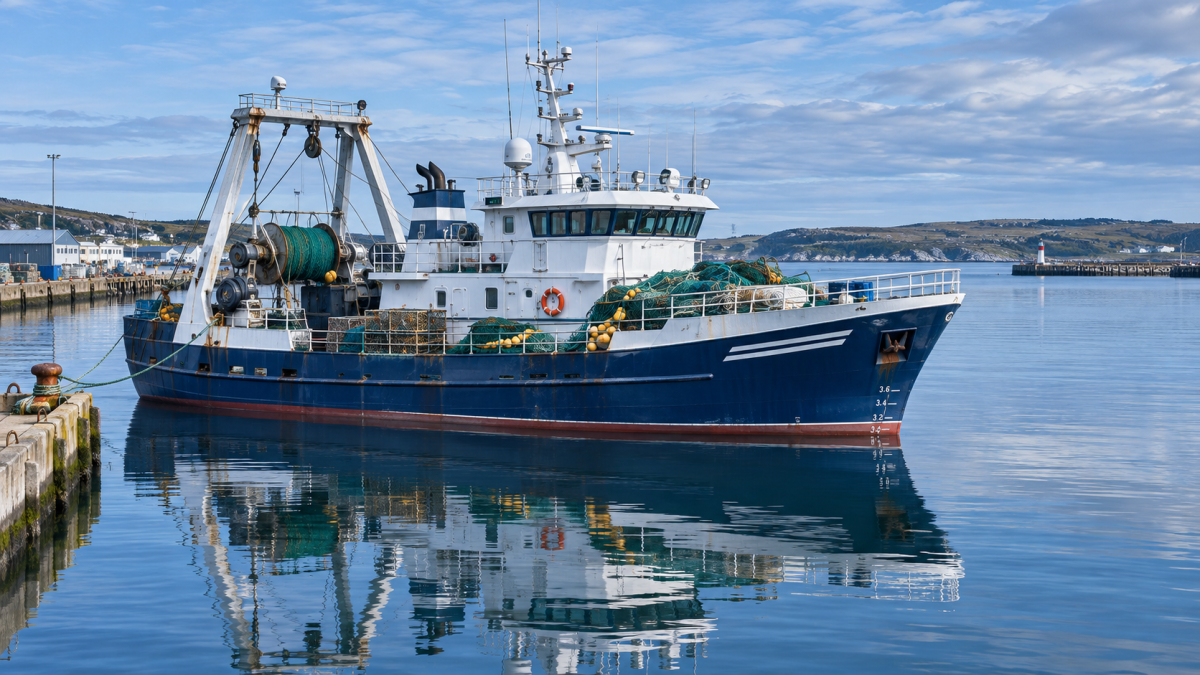
Fishing capacity describes the ability to catch fish, while fishing opportunities define what can be caught under applicable limits. Balancing the two matters to operators because having the capacity to fish does not in itself guarantee access to sufficient catch opportunities. Changes to limits could therefore affect how businesses plan their activities and use their vessels.
The extent of any effect depends on the limits ultimately established, the waters and fisheries concerned, and the circumstances of individual operators. The meeting included discussion of limits, but the information available does not establish what limits were agreed or whether any were changed.
A longer-term vision alongside immediate decisions
The 2040 discussion extends beyond individual catch limits to the future of fisheries and aquaculture. Placing sustainability and competitiveness together indicates that ministers considered both the durability of fishing and aquaculture activity and the sector's ability to remain competitive over time.
Those objectives can raise different questions for different parts of the sector. Fishing operators may focus on how future catch opportunities relate to their capacity, while aquaculture businesses may look for the direction the vision sets for their activities. The discussion itself does not establish that specific measures for either group have been adopted.
The distinction between a vision and a catch limit is also important. A long-term vision can frame priorities, but its practical effect depends on the measures that follow. Catch limits, by contrast, can have a more direct bearing on fishing activity once established and applied. The two discussions are connected, but they should not be treated as the same decision.
For the sector, the next points to follow are the outcome of the catch-limit discussions and any further detail on the 2040 vision. Those developments would help clarify how the aim of balancing capacity and fishing opportunities may translate into decisions for fisheries and aquaculture.
Related Intelligence
- Commercial FishingEU Fisheries Ministers Discuss 2040 Vision and Atlantic Catch LimitsEU fisheries ministers discuss the 2040 vision and Atlantic catch limits. Discover what the talks could mean for fishing capacity and sector competitiveness.
- Commercial FishingChina Suspends Import Eligibility for Nine Ecuadorian Shrimp PlantsChina suspends import eligibility for nine Ecuadorian shrimp plants. Explore potential supply chain impacts and practical checks for buyers and exporters.
- Commercial FishingVietnamese Pangasius Exporters Urged to Stay Calm as China Adds ChecksVietnamese pangasius exporters face additional checks in China. Discover VASEP’s advice and practical steps for managing shipments and supply uncertainty.
The Morning Broadsheet
Daily chemical briefings, market shifts, and peer-reviewed summaries delivered to your terminal.