

The Authority in Global Agricultural Chemistry & Bio-Resources
China Suspends Import Eligibility for Nine Ecuadorian Shrimp Plants
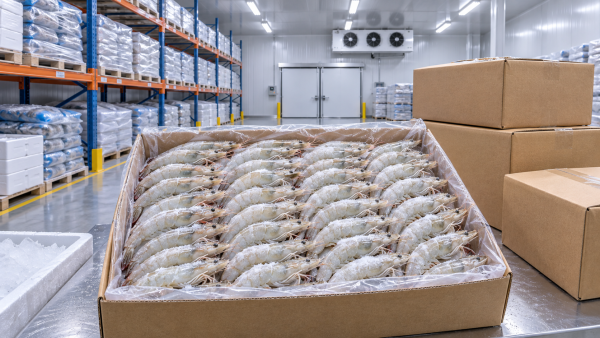
On November 23, 2026, an industry recap reported that China had suspended import eligibility for nine Ecuadorian shrimp processing plants. The action affects a specific group of facilities in the Ecuador-to-China supply chain and gives exporters, buyers and logistics providers reason to review plant eligibility and delivery plans. It also raises questions about how continued scrutiny of imported seafood could influence sourcing decisions and shrimp trade.
Nine processing plants affected
According to the November 23 industry recap, China has suspended import eligibility for nine shrimp processing plants in Ecuador. The reported action concerns Ecuadorian shrimp exports to China and comes amid continued tightening of Chinese oversight of imported seafood. The supplied information does not identify the plants or explain the grounds, duration or detailed terms of the suspensions.
Potential consequences for trade flows and prices remain matters for observation. The information provided does not establish that either has already changed or quantify the effect on shipments.
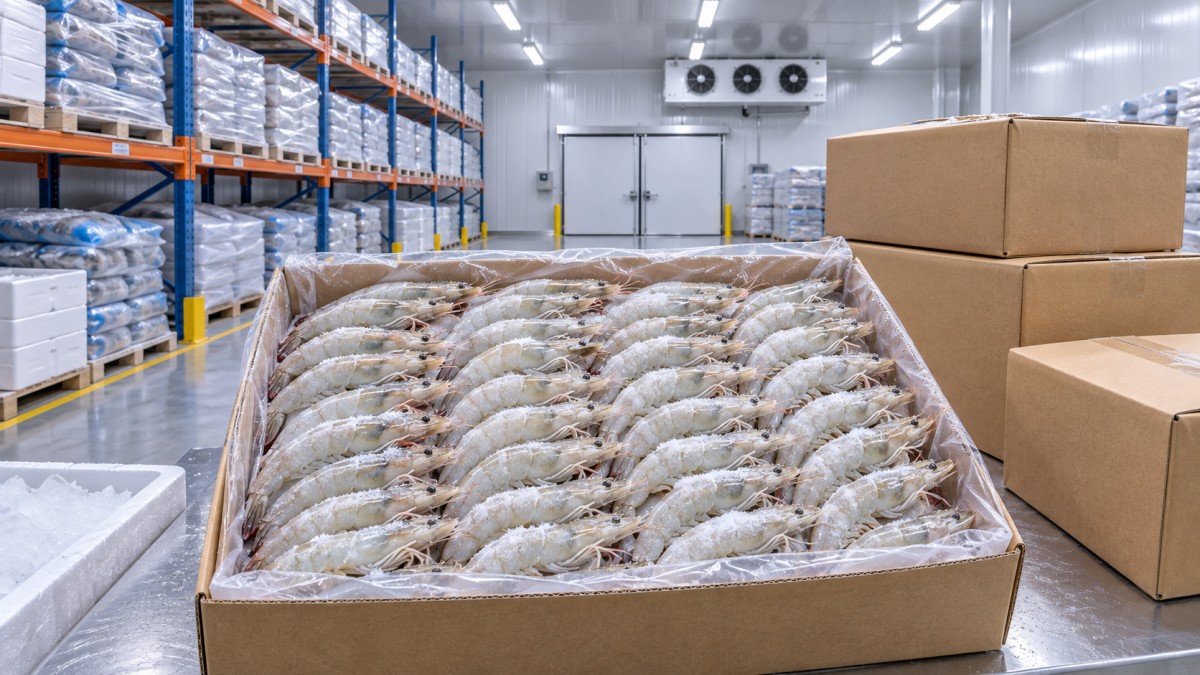
Where plant suspensions could affect the supply chain
Exporters face a plant-level eligibility question
For an exporter, the immediate analytical issue is whether shrimp intended for China is associated with one of the affected plants. A business may need to distinguish between the status of the exporting company and the status of the facility processing a particular order. The reported suspension concerns nine plants; the supplied information does not establish a suspension covering every Ecuadorian shrimp exporter or processor.
Orders in preparation, goods awaiting dispatch and shipments already in transit could raise different commercial questions. Their treatment cannot be determined from the recap. Exporters may therefore need to check the latest applicable information and discuss uncertain orders with their buyers before making assumptions about dispatch or acceptance.
From an operational perspective, identifying the processing plant early in the order cycle could become more important for planning. If the relevant facility cannot be confirmed, an exporter may find it difficult to give a buyer a reliable assessment of whether the order is affected. That is a potential coordination problem, not a confirmed change to documentation rules.
Buyers may need a clearer view of supply
Chinese buyers and other purchasers involved in the trade may want to determine which processing facilities are linked to existing and planned orders. If an order depends on an affected plant, the buyer could face a sourcing decision or a delivery uncertainty. The scale of any disruption will depend on details that are not provided, including the affected plants and the applicable treatment of orders at different stages.
Analysis suggests that switching to another supplier or plant may require more than finding available shrimp. Buyers would also need to verify the alternative facility's current eligibility and assess whether it can meet the order's commercial specifications and timing. The recap does not establish that alternative capacity is available, or that any particular replacement will be accepted.
Logistics and documentation teams may see more checks
Supply chain service providers could be asked to help reconcile shipment information with the identity of the processing plant. Questions may arise over which documents are available, whether they consistently identify the relevant facility and when a buyer needs confirmation to plan receipt. These are practical areas to review; the input does not specify a new document, test or certification requirement.
If a shipment's status is uncertain, the parties may also need to consider possible effects on scheduling and handover. Any delay or additional cost would depend on the actual shipment and the eventual execution of the suspension. Neither outcome is confirmed by the information provided.
Checks that could make procurement and delivery decisions clearer
Confirm the facility behind each order
A useful first step for affected businesses would be to map current and planned orders to their processing plants. Exporters can review the facility information available for each order, while buyers can ask their suppliers to confirm it. This review may help distinguish orders potentially connected to the nine plants from those for which the connection is not established.
Businesses should verify plant eligibility against current, authoritative information when it becomes available. A supplier's commercial name alone may not resolve the question if the relevant status is attached to a processing facility. The recap does not provide the plant list, so no facility can be identified as affected on the basis of the supplied material alone.
Review records without assuming new requirements
Companies may wish to check that their existing order, processing and shipment records are consistent and accessible. Where a discrepancy appears, resolving it with the relevant commercial parties could help them assess exposure before a delivery decision is made. The purpose is to understand the origin and status of the goods in an order, not to presume that a particular new filing is mandatory.
Depending on what later official information says, businesses may also need to examine whether additional evidence, testing or other compliance steps apply. None is specified in the supplied recap. Until details are verified, presenting any particular certificate or test as a condition of import would go beyond the available facts.
Reassess commitments and alternatives
Buyers and exporters may benefit from reviewing delivery dates, plant allocations and communication arrangements for orders potentially linked to the affected facilities. They can identify which decisions depend on further information and when that information is needed. This may make it easier to discuss realistic options if a plant's eligibility cannot be confirmed in time.
Alternative sourcing can be assessed as a contingency rather than treated as an established remedy. An alternative plant's eligibility, product suitability and ability to meet the agreed schedule would each need verification. Commercial parties may also wish to review their existing agreements when considering changes; the supplied information does not determine how any individual contract should be handled.
Track execution as well as announcements
Subsequent official communications may clarify which plants are covered, when the suspensions apply, how long they last and whether any conditions affect their status. Businesses can monitor those details alongside the handling of actual orders and feedback from their trading partners. A reported action and its practical effect on a particular shipment are separate questions, and the recap does not answer both.
That distinction matters for planning. A company may need to revise an assessment as reliable information becomes available, especially if the scope or duration of a suspension is clarified. Internal updates to procurement, sales and logistics teams can help keep decisions aligned with the latest verified position.
Why the execution details matter more than a broad market forecast
At this stage, the reported suspension is best understood as a specific action affecting nine processing plants and as a signal of continued scrutiny of imported seafood. It is not enough, on its own, to establish a new industry-wide rule or the precise requirements applicable to every Ecuadorian shrimp shipment. The input also does not explain whether the action follows a change in written rules, an enforcement decision under existing arrangements or another process.
From an industry perspective, the possible effect on trade flows depends on how much supply is connected to the plants, how long the restrictions remain in place and whether buyers can use other eligible facilities. None of those factors is quantified in the supplied information. A shift in sourcing is possible, but its direction and extent cannot be established from the recap.
The same caution applies to prices. Reduced availability from particular plants could put pressure on some transactions if replacement supply is difficult to secure. Other sourcing choices and commercial conditions could affect the outcome. The information supplied supports monitoring for a possible response, not a claim that prices have risen or will rise.
Further clarity on the grounds for the action and any conditions for restoring eligibility would also help companies assess whether the issue is confined to the named facilities or has wider implications for their compliance reviews. Until such details are available, the appropriate scope of any broader conclusion remains uncertain.
A measured response for shrimp trade
The reported suspension makes plant-level eligibility a practical question for parties handling Ecuadorian shrimp intended for China. Exporters and buyers can use the available time to identify potentially affected orders, verify facility information and consider delivery options, while recognizing that the decisive execution details have not been supplied.
The wider market implications remain possible outcomes rather than established results. The most defensible approach is to treat the nine-plant action as reported, verify its terms through authoritative updates and adjust procurement or shipment decisions as the relevant facts become clear.
What the supplied account can and cannot establish
This article is based on the supplied news title, event date and summary, including the November 23, 2026 industry recap described in that summary. No specific official source link was provided in the input, so the details require continued verification. Relevant material for follow-up could include official announcements, information from customs or trade authorities, industry association communications and authoritative media reports.
Further monitoring should focus on the identities of the affected plants, the scope and duration of the suspensions, any stated conditions or execution guidance, the treatment of shipments and subsequent feedback from businesses. These details could materially change how individual companies assess their exposure and plan deliveries.
Related Intelligence
- Commercial FishingChina Suspends Import Eligibility for Nine Ecuadorian Shrimp PlantsChina suspends import eligibility for nine Ecuadorian shrimp plants. Explore potential supply chain impacts and practical checks for buyers and exporters.
- Commercial FishingVietnamese Pangasius Exporters Urged to Stay Calm as China Adds ChecksVietnamese pangasius exporters face additional checks in China. Discover VASEP’s advice and practical steps for managing shipments and supply uncertainty.
- Commercial FishingChile’s Lafkenche Law Stalls $200 Million in Salmon Farming InvestmentChile’s Lafkenche Law has stalled $200 million in proposed salmon farming investment. Explore the impact of marine access restrictions.
The Morning Broadsheet
Daily chemical briefings, market shifts, and peer-reviewed summaries delivered to your terminal.