

The Authority in Global Agricultural Chemistry & Bio-Resources
Norway Allows EU-Approved GMO Ingredients in Fish Feed
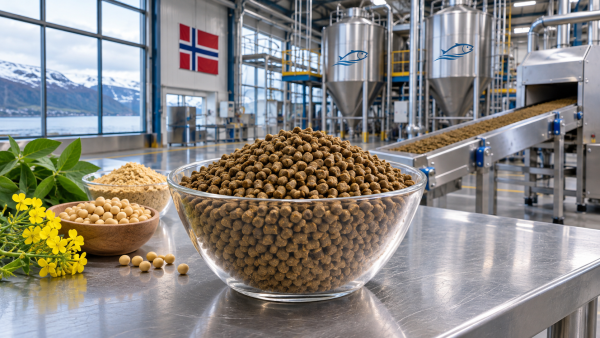
Norway has amended its feed regulations to allow aquaculture feed manufacturers to use genetically modified ingredients approved in the European Union. The change takes effect on 19 November 2026 and removes the need for an additional national approval process for the covered ingredients.
Under the amended rules, GMO-derived feed ingredients covered by an EU approval can be produced, imported, sold and used in fish feed in Norway. The stated aims are to make feed supply chains more flexible, strengthen the international competitiveness of Norwegian aquaculture and encourage the use of sustainable alternative ingredients.
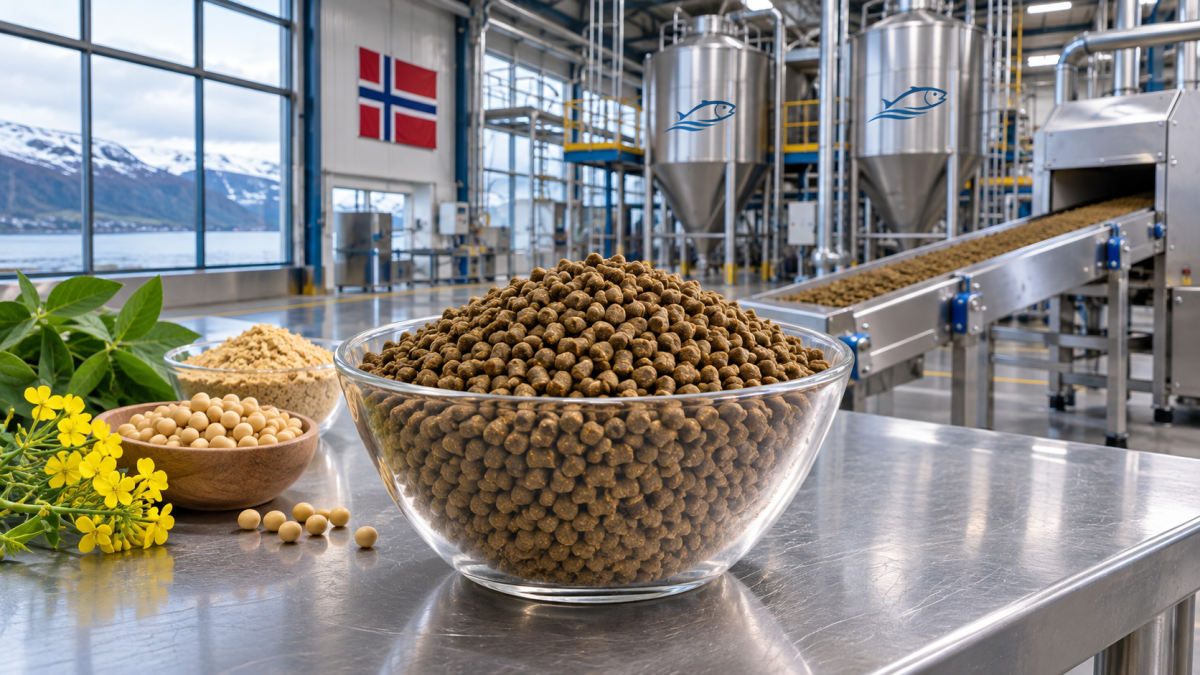
What the approval change means for feed supply
The immediate change concerns the route by which eligible ingredients can enter the Norwegian fish-feed supply chain. An ingredient covered by the amendment no longer needs a separate national approval before it can be produced, imported, sold or used for that purpose. Its EU approval is therefore central to whether it can benefit from the revised rules.
That distinction matters for feed manufacturers assessing potential ingredients. The amendment creates an additional route to use qualifying GMO-derived materials; it does not mean that every genetically modified ingredient is automatically permitted. Nor does permission require manufacturers to include an eligible ingredient in a feed formulation.
The change also covers several points in the supply chain. For a manufacturer considering an eligible ingredient, the removal of a separate approval step may affect both the sourcing decision and the planning of production. Suppliers considering the Norwegian market may likewise find that the route to supplying a covered ingredient has changed. The practical benefit will depend on whether suitable ingredients are available and whether buyers choose to use them.
More choice does not guarantee a change in formulations
Greater regulatory flexibility can give feed producers more options when evaluating ingredients. If a qualifying material meets a manufacturer's formulation and commercial requirements, the amended rules may make it easier to consider that material alongside existing choices. The effect on any particular feed will depend on decisions made by the businesses involved.
The policy also identifies sustainable alternative ingredients as an intended area of benefit. The regulatory change may provide a route for qualifying alternatives to be used, but approval alone does not establish the sustainability performance of a particular ingredient. That assessment depends on the ingredient and how it is produced and supplied.
Similarly, the stated goal of improving international competitiveness should be understood as a policy objective rather than an established market outcome. A more flexible supply chain could support that objective, but the amendment does not by itself show how feed costs, availability or purchasing decisions will change.
As the rules take effect, the practical questions are which eligible ingredients manufacturers choose to use and whether those choices translate into broader sourcing options. Those developments will determine how much of the potential flexibility becomes visible in Norwegian fish-feed production.
Related Intelligence
- Commercial Feed PelletNorway Allows EU-Approved GMO Ingredients in Fish FeedNorway allows EU-approved GMO ingredients in fish feed from 19 November 2026. Explore what the rule change means for aquaculture and feed supply.
- Commercial Feed PelletUK Seeks to Strengthen Protein Supply Chain Through More Domestic PulsesUK domestic pulses could strengthen the protein supply chain and reduce reliance on imported soybeans. Explore opportunities for food and feed businesses.
- Commercial Feed PelletJapan's Yellowtail Farmers Shift From Raw Fish to Pelleted FeedJapan's yellowtail farmers are shifting to pelleted feed. Explore what this trend could mean for seafood quality, feed purchasing and buyer expectations.
The Morning Broadsheet
Daily chemical briefings, market shifts, and peer-reviewed summaries delivered to your terminal.