

The Authority in Global Agricultural Chemistry & Bio-Resources
Japan Eyes Greenland Rare Earths, Pressuring Natural Inputs
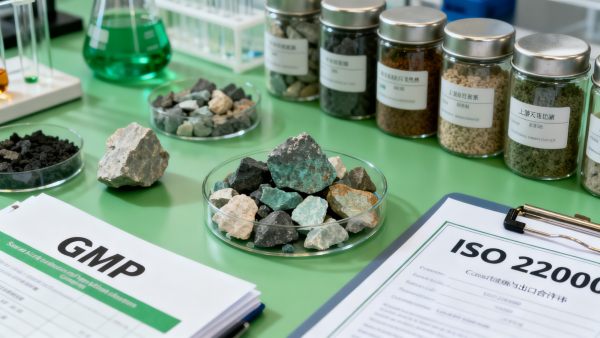
On June 14, 2026, Japan announced that it will send a professional team to Greenland this summer to survey rare earths and other critical minerals, a move tied to reducing reliance on natural mineral inputs from China. For companies linked to Botanical Extracts and Natural Ingredients, the development matters less as a standalone resource story and more as a policy and supply-chain signal: upstream diversification is gaining weight, while export-facing suppliers may face closer scrutiny around GMP, ISO 22000, and elemental traceability in procurement, compliance, and delivery discussions.
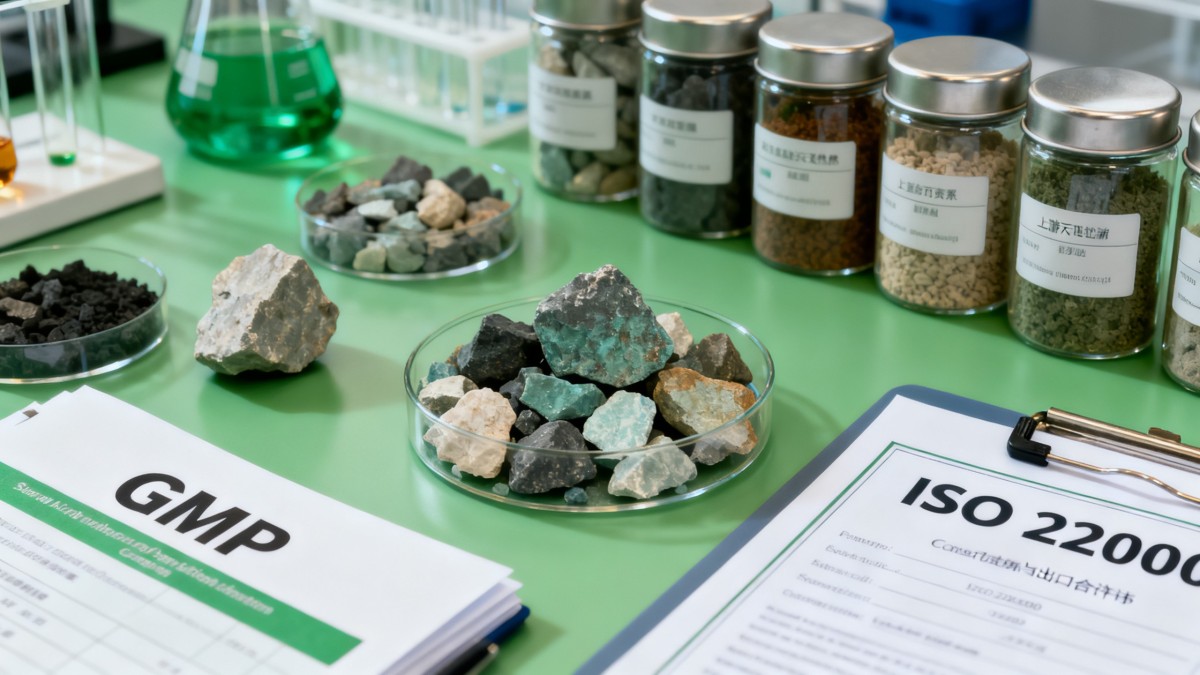
A policy signal centered on upstream sourcing security
The confirmed facts are limited but clear. Japan stated on June 14, 2026 that it will dispatch a professional team to Greenland during the summer to conduct surveys of rare earths and other critical minerals. The stated purpose is to reduce dependence on natural mineral raw materials from China, including materials associated with rare-earth-based catalysts and carrier materials used in plant extraction support processes. The event summary also indicates that this development may accelerate upstream resource diversification in Botanical Extracts and Natural Ingredients and may push exporters to strengthen dual GMP and ISO 22000 certification as well as elemental traceability capabilities.
Where supply-chain pressure may begin to show
Export suppliers may face a higher proof burden
Analysis shows that exporters connected to natural ingredients and botanical extracts may be among the first to feel the effect, because buyers often translate sourcing risk into documentation and qualification demands. The practical pressure point is not only product quality, but also whether suppliers can show stable certification status, traceable mineral-related inputs, and a clearer chain of origin for materials used in processing or support functions.
Procurement teams may revisit approved-source structures
From an industry perspective, procurement functions may need to pay closer attention to whether existing supplier pools are overly concentrated around one origin of mineral-related inputs. The impact may appear in supplier screening, technical document review, and delivery planning, especially where production depends on processing aids, catalyst-related materials, or carrier systems linked to natural ingredient manufacturing.
Processors and manufacturers may see compliance checks move upstream
Observably, processing and manufacturing companies could face more questions not only about finished goods, but also about upstream supporting materials. That may affect internal supplier qualification files, batch-level traceability records, and the consistency of compliance materials presented to overseas customers or channel partners.
Testing and certification service providers may be drawn in earlier
Where buyers or exporters strengthen elemental traceability expectations, testing bodies and certification-related service providers may become involved earlier in the transaction cycle. The likely focus is on whether traceability claims, certification scope, and supporting technical records are sufficient for customer review, tender materials, or shipment-related compliance checks.
What companies should monitor before requirements harden
Check whether certification language matches customer expectations
Analysis shows that companies should review how GMP and ISO 22000 status is described across quotations, specifications, audit files, and trade documents. The event summary points to stronger attention on dual certification, so mismatched wording or incomplete supporting files may become a practical issue even before any formal rule change is published.
Prepare for deeper origin and element-traceability questions
What deserves closer attention is whether businesses can connect supplier records, testing materials, and production documentation in a way that supports elemental traceability. This is especially relevant for exporters whose customers may begin asking not only where an ingredient comes from, but also how mineral-related supporting inputs are identified and controlled.
Review sourcing plans and delivery risk assumptions
From an execution standpoint, companies may need to reassess purchasing plans, backup sourcing logic, and delivery commitments for product lines that depend on mineral-linked processing inputs. The current information does not confirm a new trade restriction or formal procurement rule, but it does suggest that sourcing resilience may become a more visible issue in commercial review.
Watch for changes in tender files and buyer qualification standards
Observably, some of the earliest market changes may appear in technical bid documents, approved vendor requirements, audit questionnaires, or customer onboarding materials rather than in a single new regulation. Companies should therefore track how buyers describe certification, traceability, and supplier qualification expectations in practice.
Why this looks more like an execution signal than a finished rule
In editorial observation, this development is better understood as an execution signal tied to resource security and supply-chain diversification, rather than as a fully defined new compliance regime. The announced survey itself does not establish a detailed new certification rule, trade restriction, or binding procurement standard in the information provided here. However, it may influence how market participants interpret sourcing risk, especially in sectors where Natural Ingredients and Botanical Extracts rely on supporting materials with mineral linkages.
It is also more appropriate to understand this as an area requiring continued observation. Industry attention should remain on whether later official language, certification practice, procurement documents, or customer review standards begin to convert this signal into more concrete operating requirements.
How the market is most reasonably reading this now
At this stage, the industry meaning lies in the direction of travel rather than a confirmed end state. The announcement points to a stronger preference for upstream diversification and a more disciplined approach to certification and traceability in export-oriented supply chains. A neutral reading is that businesses should neither overstate immediate disruption nor ignore the possibility that sourcing, qualification, and delivery expectations could tighten gradually as market practice responds.
Basis of this article and points still requiring verification
This article is generated from the user-provided news title, event date, and event summary. For events of this type, commonly relevant source categories may include official government announcements, regulatory releases, customs or trade authority information, industry association updates, standards organization materials, and reporting from authoritative media. No specific official source link was provided in the input, so the exact official documentation still requires follow-up verification. Further observation is also needed on any later policy detail, certification interpretation, tender-document changes, industry feedback, and how enterprises implement traceability and qualification measures in response.
Related Intelligence
- Botanical ExtractsChoosing Botanical Extracts for Pharmaceuticals: Potency, Purity, and ComplianceBotanical extracts for pharmaceuticals: learn how to assess potency, purity, traceability, and GMP compliance for confident, regulatory-ready supplier selection.
- Botanical ExtractsBotanical Extracts Market Outlook: Supply, Pricing, and Buyer RisksBotanical extracts market insights on supply, pricing, quality control, and buyer risks—compare suppliers confidently and protect your sourcing strategy.
- Botanical ExtractsEurope Botanical Extracts Market: Key Growth Drivers, Risks, and OpportunitiesEurope botanical extracts market insights: explore growth drivers, regulatory risks, supply-chain challenges, and scalable opportunities for compliant, high-value ingredients.
The Morning Broadsheet
Daily chemical briefings, market shifts, and peer-reviewed summaries delivered to your terminal.
