
Turmeric Grinding Plant Layout Problems That Slow Daily Output
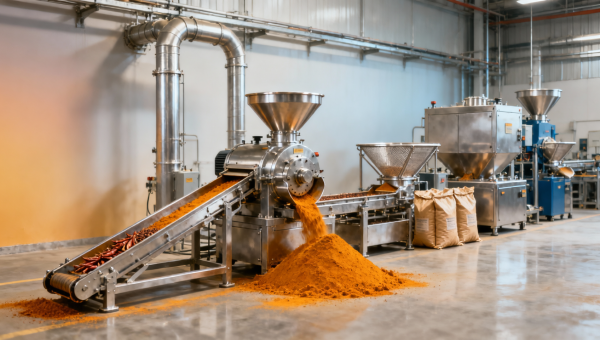
In a turmeric grinding plant, layout flaws often create hidden bottlenecks that cut daily output, raise contamination risks, and increase labor costs. For buyers and operators comparing a commercial spice grinder, garlic powder making machine, chili powder making machine, or black pepper grinding machine, understanding workflow, zoning, and material handling is critical to building a faster, safer, and more scalable processing line.
Why plant layout problems reduce turmeric grinding output faster than machine issues
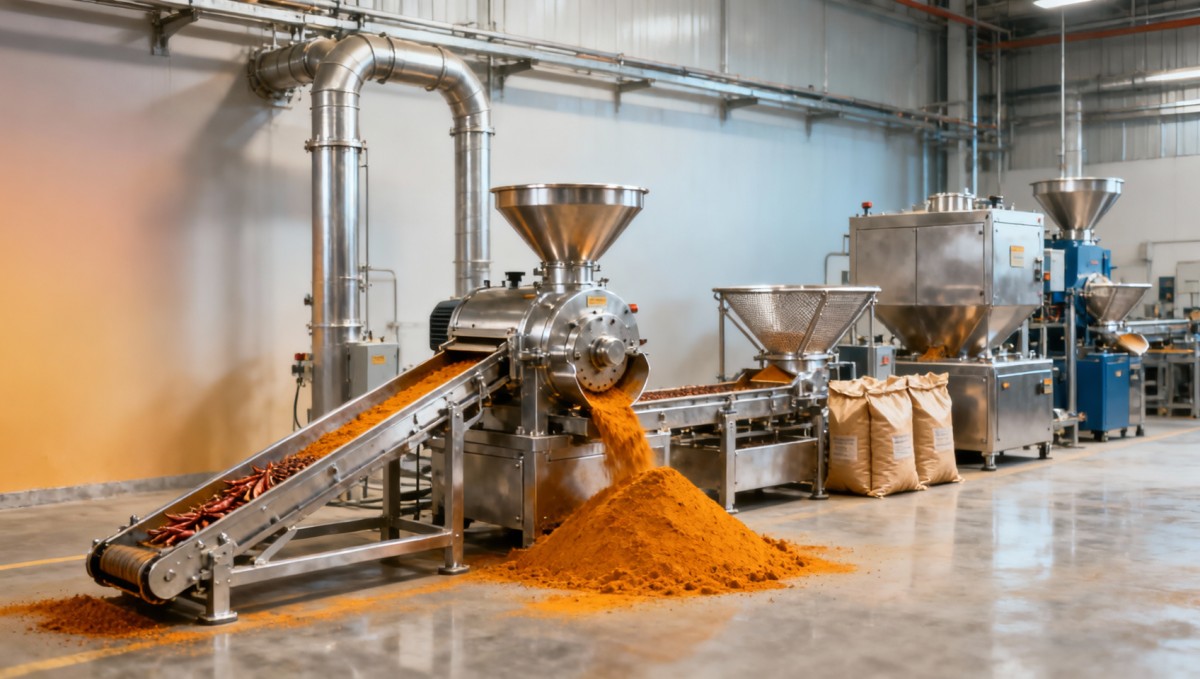
In many spice processing projects, managers focus first on motor power, screen size, and grinding fineness. Yet in practice, a turmeric grinding plant often loses more throughput through poor layout than through inadequate equipment. A line designed for 8–12 operating hours per shift can still underperform if raw material staging, feeding, grinding, sieving, packing, and cleaning are arranged with repeated backtracking or cross-traffic.
Turmeric presents a specific operational challenge. Its dust load, staining tendency, oil content, and sensitivity to moisture mean that layout decisions directly affect hygiene, powder recovery, worker fatigue, and cleaning time. The same logic also applies when a facility runs a commercial spice grinder alongside a garlic powder making machine, chili powder making machine, or black pepper grinding machine in a shared processing area.
For technical evaluators and procurement teams, layout should be reviewed as a
Related Intelligence
- Milling MachineryHow to Choose a Horizontal Ribbon Blender for FeedHorizontal ribbon blender feed buying guide: compare vertical feed mixer machine options, animal feed mixers wholesale offers, and line fit for poultry, cattle, and floating fish feed plant projects.
- Milling MachineryWhy use a rotary drum sieve grain line?Why use a rotary drum sieve grain line? Discover how rotary drum sieve grain, grain pre cleaner machine, gravity separator grain, and magnetic separator for feed improve efficiency and quality.
- Milling MachineryHow to avoid grain destoner machine issues?Grain destoner machine issues explained: learn how gravity separator grain, grain pre cleaner machine, and rotary drum sieve grain setup affect performance, reduce downtime, and improve line efficiency.
The Morning Broadsheet
Daily chemical briefings, market shifts, and peer-reviewed summaries delivered to your terminal.
