
How to Choose a Horizontal Ribbon Blender for Feed
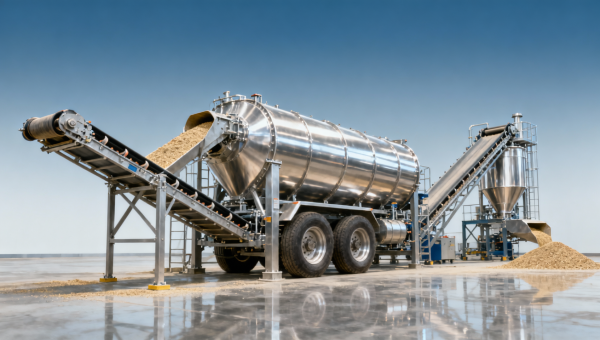
Selecting the right horizontal ribbon blender feed system affects mixing uniformity, energy use, compliance, and long-term operating cost. For buyers comparing a horizontal ribbon blender feed unit with a vertical feed mixer machine, animal feed mixers wholesale options, or equipment for a cattle feed processing plant, poultry feed pellet machine line, or floating fish feed plant, the key is matching capacity, material behavior, and process reliability.
How should buyers evaluate a horizontal ribbon blender for feed production?
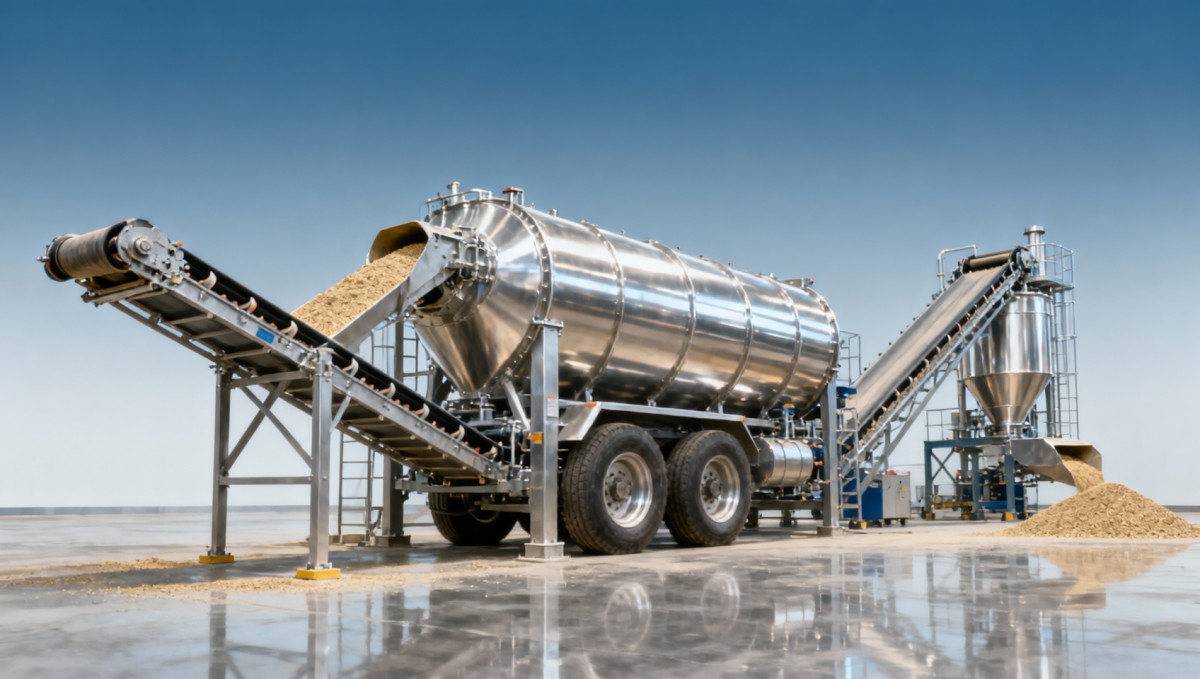
A horizontal ribbon blender for feed is designed to mix powders, meals, premixes, and light granules through counter-flow ribbon motion inside a U-shaped trough. In feed and grain processing, this design is often selected when producers need fast batch turnover, stable coefficient of variation control, and compatibility with vitamins, trace minerals, amino acids, and other low-inclusion ingredients.
For operators and project managers, the first decision is not simply machine type. It is process fit. A blender that works well for a 500 kg premix batch may be poorly suited to a 3–5 ton complete feed line. Capacity, fill rate, ingredient density, discharge speed, and cleaning access all influence whether the system can run one shift, two shifts, or continuous daily campaigns without becoming a bottleneck.
For procurement teams and finance approvers, the buying question usually combines 3 layers: capital cost, operating cost, and compliance risk. A lower-price unit may consume more power, leave residue after discharge, or require more downtime for cleaning. Over a 12–24 month operating window, those hidden costs can outweigh the initial savings, especially in multi-formula feed plants.
This is where AgriChem Chronicle adds practical value. ACC serves readers in agricultural machinery, feed processing, and regulated industrial supply chains by translating technical specifications into procurement logic. Instead of viewing the horizontal ribbon blender feed system as a stand-alone machine, ACC frames it within upstream ingredient handling, downstream pelletizing or bagging, and plant-level quality assurance requirements.
What makes the mixer suitable for feed applications?
Feed applications demand more than simple blending. The machine must achieve acceptable mixing uniformity within a practical batch cycle, often in the range of 3–8 minutes for active mixing, plus loading and discharge time. It also needs to handle variable bulk density materials without segregation during unloading, transfer, or temporary surge storage.
In commercial operations, buyers often review 5 core suitability points before shortlisting models:
- Batch size compatibility with planned throughput, including headroom for seasonal demand growth.
- Material compatibility for mash feed, premixes, mineral blends, and fragile additives.
- Discharge efficiency, especially residual material left in the trough and outlet zone.
- Cleaning access for formula changes, medicated feed segregation control, or audit readiness.
- Integration with conveyors, feeders, liquid addition systems, and pellet machine lines.
A well-selected horizontal ribbon blender feed unit usually fits plants that require broad formulation flexibility. That includes cattle feed processing plants, poultry feed pellet machine lines, and some floating fish feed plant support sections where dry ingredient pre-mixing is essential before later conditioning or extrusion.
Horizontal ribbon blender vs vertical feed mixer machine: which is the better fit?
Many buyers compare a horizontal ribbon blender feed system with a vertical feed mixer machine because both can process dry feed ingredients, yet their practical use cases differ. The choice depends on batch size, expected uniformity, floor layout, and how often formulas change. For simple on-farm mixing, a vertical unit may be acceptable. For commercial-scale consistency, horizontal systems are often favored.
The table below summarizes common procurement differences. These are not fixed rules for every manufacturer, but they reflect typical market patterns in feed and grain processing projects.
For quality control and safety managers, the difference is especially important when handling medicated feed, high-value premixes, or formulas with carryover sensitivity. Faster discharge and lower residue help reduce contamination risk between campaigns. That can simplify sanitation planning every shift or every product change, depending on plant discipline and customer commitments.
When does a horizontal unit clearly outperform?
A horizontal ribbon blender feed configuration tends to outperform when the plant has 4 conditions at once: frequent recipe changes, moderate to high batch volumes, inclusion of micro-ingredients, and downstream equipment that depends on stable formulation consistency. Those conditions are common in integrated feed mills supplying multiple livestock categories or regional contract feed production.
It also becomes a strong candidate when buyers compare animal feed mixers wholesale offers. Wholesale sourcing can look attractive on price, but the technical spread between suppliers is wide. The same nominal capacity can produce very different real-world results if ribbon design, shaft rigidity, discharge gate design, and weld finishing quality are not carefully assessed.
When might a vertical system still make sense?
A vertical feed mixer machine may still make sense for lower-budget projects, simpler ingredient profiles, or facilities with tight installation constraints. If the plant handles only a narrow range of formulations and does not require high-throughput batch cycling, the lower initial investment can be commercially reasonable. The key is to confirm that the performance trade-off is understood before approval.
Decision-makers should therefore avoid a binary assumption that one design is universally better. The correct comparison is based on target output, formula complexity, cleaning frequency, and total cost over 2–5 years of operation.
Which technical parameters matter most before purchase approval?
Technical review should focus on measurable factors that directly affect production stability. Buyers often receive quotations listing motor power, batch capacity, and shell thickness, but these figures alone are not enough. A proper evaluation includes mixing time, fill coefficient, discharge completeness, access for inspection, and whether the machine supports liquid addition for fats, enzymes, or molasses-based components.
The table below is a practical selection guide for procurement staff, engineering teams, and financial reviewers screening a horizontal ribbon blender feed proposal. Values are shown as common reference ranges rather than fixed manufacturer guarantees.
For engineering leads, one of the most overlooked points is ingredient behavior under partial load. A machine may mix well near rated capacity but perform poorly at 50% load. If the plant expects seasonal shifts, trial data or at least a process discussion should address low-fill performance, particularly for poultry feed, premix applications, or fish feed formulations with diverse particle sizes.
Key checks before signing off on a quotation
Before issuing a purchase order, cross-functional teams should verify 6 practical points:
- Actual batch output per hour, including loading and discharge, not just nominal vessel size.
- Material of construction for product-contact parts, especially where corrosion or hygiene is a concern.
- Bearing and seal arrangement to reduce contamination and maintenance interruptions.
- Liquid addition capability if the formula requires oils or controlled moisture inputs.
- Discharge gate sealing performance to avoid leakage and batch loss.
- Spare parts availability and expected lead times, commonly 2–6 weeks for non-stock items.
These checks matter not only to operators but also to business evaluators. Equipment downtime in a feed line does not just reduce output. It can interrupt customer delivery schedules, increase overtime, and affect inventory planning across raw materials and finished goods.
What procurement, compliance, and cost issues are often missed?
In many feed equipment purchases, the specification focuses heavily on capacity and price, while process risk receives less attention. That is a mistake. A horizontal ribbon blender feed system sits at the center of batch integrity. If mixing quality drifts, downstream pelletizing, packaging, or farm performance can all be affected. Quality and safety teams should therefore participate early, not only at final acceptance.
Compliance expectations vary by market and product type, yet buyers commonly need documentation related to materials, electrical safety, dust control, and sanitation design. In more regulated environments, especially where feed additives, export markets, or cross-sector operations are involved, buyers may also request manufacturing records, inspection protocols, and traceable component information.
The cost picture should be evaluated across at least 4 categories: equipment purchase, installation and commissioning, operating energy and maintenance, and changeover or cleaning labor. A cheaper system may look favorable at quotation stage, but if it extends every batch cycle by 5–10 minutes or requires extra cleaning time per formula change, annual operating cost can rise sharply.
A practical procurement checklist for cross-functional teams
The following checklist helps align the concerns of procurement officers, project managers, financial approvers, and safety personnel:
- Confirm whether the machine is intended for mash feed only or also supports pre-pellet mixing in a poultry feed pellet machine line.
- Ask for realistic delivery timing, since common production and shipment windows may range from 4–10 weeks depending on customization.
- Verify whether the supplier can support site layout coordination with conveyors, bins, magnets, and dust collection systems.
- Clarify acceptance criteria, including test run scope, empty-load checks, vibration review, and discharge performance verification.
- Review documentation for wear parts, service intervals, and recommended preventive maintenance frequency such as weekly inspection and quarterly alignment checks.
For readers of AgriChem Chronicle, one major advantage is access to a decision framework that connects machinery purchase to supply chain transparency and industrial compliance logic. ACC’s editorial focus on feed and grain processing, agricultural machinery, and regulated primary industries supports more disciplined decisions than a price-only comparison.
Common misconceptions that distort budgeting
One common misconception is that animal feed mixers wholesale listings are directly comparable line by line. In reality, weld quality, ribbon geometry, shaft balance, gearbox selection, and control integration can differ substantially. Another misconception is that nominal tonnage equals real hourly output. It does not. True throughput depends on the total batch cycle, upstream feeding pace, and downstream discharge readiness.
A third misconception is that every feed plant needs the largest unit it can afford. Oversizing can reduce efficiency if typical batches are much smaller than the recommended fill range. The right answer is usually a balanced system design, not a maximum-size vessel.
FAQ: what do buyers ask before choosing a feed mixer system?
Search intent around a horizontal ribbon blender feed purchase is usually highly practical. Buyers want to know what fits their plant, what risks to avoid, and how quickly the project can move from quotation to commissioning. The questions below address the most common pre-purchase concerns.
How do I choose between a mixer for cattle feed, poultry feed, and fish feed applications?
Start with ingredient behavior and downstream processing. A cattle feed processing plant may handle fibrous or coarser ingredients that influence loading behavior and ribbon resistance. A poultry feed pellet machine line often demands tighter consistency before conditioning and pelleting. A floating fish feed plant may require carefully staged pre-mixing before extrusion, especially when formulas include fine meals and sensitive additives. In each case, request guidance based on formula type, batch size, and target daily output.
What delivery and commissioning timeline is realistic?
For standard equipment, many buyers see a lead time of roughly 4–8 weeks, while customized systems with special materials, liquid addition modules, or control panel integration may require 8–12 weeks. Site preparation, electrical connection, and acceptance testing can add another several days to 2 weeks depending on project complexity. Timelines should always be confirmed in writing before financial approval.
Which documents should procurement request from suppliers?
Request a general arrangement drawing, motor and gearbox specifications, product-contact material details, electrical configuration, maintenance recommendations, and a spare parts list. If your operation has audit obligations, also ask about inspection records, sanitation access features, and any available compliance-related documentation suitable for your market. This is especially relevant for multi-site or export-oriented feed businesses.
How can buyers reduce performance risk if no on-site trial is available?
Use a structured review process. Share formula information, particle size characteristics, expected batch frequency, and any liquid addition needs. Ask the supplier to define the recommended fill rate, estimated mixing cycle, and discharge arrangement. Internally, align 3 teams before approval: production, quality, and maintenance. This reduces the chance of buying a machine that looks correct on paper but performs poorly in daily use.
Why consult AgriChem Chronicle before final supplier selection?
Choosing a horizontal ribbon blender feed system is not only an equipment decision. It is a supply chain, process control, and capital allocation decision. AgriChem Chronicle supports industrial buyers, technical evaluators, and decision-makers with sector-specific intelligence across feed and grain processing, agricultural machinery, and regulated primary industries. That broader lens helps teams see beyond brochure specifications.
ACC is especially useful when your team must compare multiple pathways: a horizontal ribbon blender feed unit, a vertical feed mixer machine, animal feed mixers wholesale sourcing, or a wider line investment tied to a cattle feed processing plant, poultry feed pellet machine line, or floating fish feed plant. Our editorial perspective helps clarify where specifications matter, where risks hide, and which questions deserve commercial escalation before purchase.
If you are reviewing a project now, contact us to discuss parameter confirmation, mixer selection logic, delivery timing, customization scope, documentation expectations, or quotation comparison. We can help structure a more informed evaluation around batch capacity, ingredient behavior, cleaning requirements, integration with downstream equipment, and compliance-sensitive procurement points.
For manufacturers, OEMs, and solution providers, ACC also offers a specialized publishing environment for validated technical capabilities, process insights, and industrial whitepaper visibility. For buyers, that means access to more decision-ready information. For suppliers, it means reaching institutional procurement teams with clearer technical credibility and stronger market relevance.
Related Intelligence
- Milling MachineryHow to Choose a Horizontal Ribbon Blender for FeedHorizontal ribbon blender feed buying guide: compare vertical feed mixer machine options, animal feed mixers wholesale offers, and line fit for poultry, cattle, and floating fish feed plant projects.
- Milling MachineryWhy use a rotary drum sieve grain line?Why use a rotary drum sieve grain line? Discover how rotary drum sieve grain, grain pre cleaner machine, gravity separator grain, and magnetic separator for feed improve efficiency and quality.
- Milling MachineryHow to avoid grain destoner machine issues?Grain destoner machine issues explained: learn how gravity separator grain, grain pre cleaner machine, and rotary drum sieve grain setup affect performance, reduce downtime, and improve line efficiency.
The Morning Broadsheet
Daily chemical briefings, market shifts, and peer-reviewed summaries delivered to your terminal.
