
Vertical Feed Mixer Machine: What Size Do You Need?
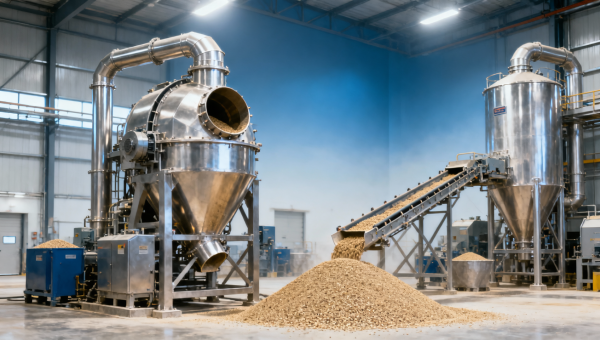
Choosing the right vertical feed mixer machine is not just about capacity—it affects mixing uniformity, labor efficiency, energy use, and downstream output in any feed operation. Whether you are comparing a horizontal ribbon blender feed setup, planning a cattle feed processing plant, or sourcing animal feed mixers wholesale, understanding the correct mixer size helps reduce waste, protect feed quality, and support smarter investment decisions.
For most buyers and operators, the best mixer size is the one that matches your actual batch size, daily throughput, material density, ingredient formula complexity, and loading rhythm—not simply the largest machine your budget allows. An oversized unit can waste power, reduce mixing performance at partial loads, and tie up capital. An undersized machine can bottleneck production, increase labor hours, and create inconsistent feed quality. The right decision comes from calculating how much feed you need to mix per batch and per day, then aligning that requirement with a realistic fill rate and operating schedule.
How do you determine the right vertical feed mixer machine size?
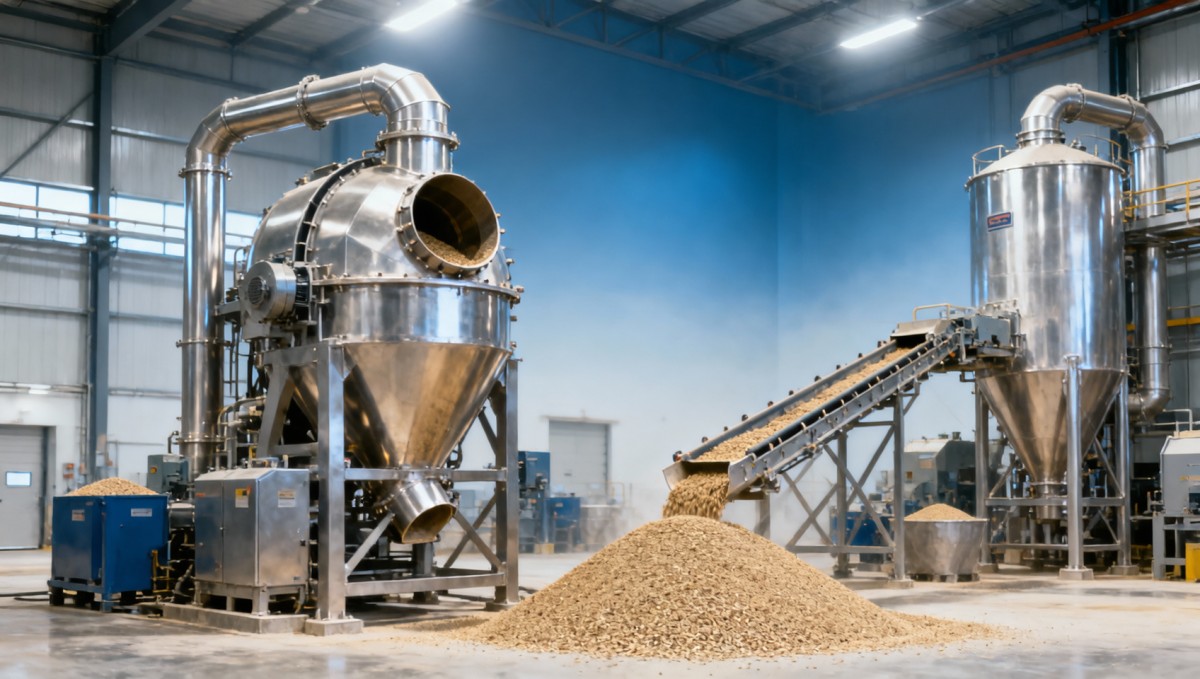
The core sizing question is simple: How much feed do you need to mix per batch, and how many batches do you need per day? From there, the correct machine size becomes much easier to identify.
When evaluating a vertical feed mixer machine, buyers should focus on five sizing factors:
- Batch capacity: the actual amount of feed mixed in one cycle
- Daily production target: total output needed per shift or per day
- Mixing time per batch: including loading, mixing, discharge, and cleaning
- Feed formula type: simple grain blends versus multi-ingredient rations with premixes
- Material bulk density: heavier or lighter formulations change usable volume
In practice, many procurement mistakes happen because buyers look only at the machine’s advertised tonnage. Nameplate capacity is useful, but real output depends on the recipe, moisture, ingredient particle size, and how fully the machine can be loaded without compromising uniformity.
A practical formula is:
Required batch size = Daily feed demand ÷ Number of workable batches per day
For example, if your operation needs 8 tons of feed per day and your workflow allows 8 efficient batches, then a 1-ton class mixer may be sufficient. But if labor availability, loading logistics, or ingredient handling limits you to 4 batches per day, then you may need a 2-ton class machine instead.
What matters more: batch size or total daily output?
For purchasing decisions, daily output matters more strategically, while batch size matters more operationally. The best equipment choice balances both.
Enterprise decision-makers, finance teams, and project managers usually care about whether the mixer can support business volume without creating a hidden constraint. Operators and production supervisors care more about whether the batch size fits their real working routine.
This distinction is important because a machine may appear large enough on paper but still fail operationally if:
- Raw materials cannot be loaded fast enough
- Discharge takes too long
- Premix addition requires tighter mixing control
- Cleaning between formulas reduces available cycles
- Labor shifts do not support continuous operation
If your plant serves multiple formulations, especially in poultry, cattle, pig, or aqua feed applications, a slightly smaller mixer with more flexible batch control may outperform a larger unit that is harder to run efficiently. On the other hand, if your operation focuses on high-volume, repeatable formulas, a larger machine may reduce labor cost per ton and improve throughput economics.
How much headroom should you leave for future growth?
A good rule is to size the machine for current demand plus reasonable near-term expansion, rather than speculative long-range growth. In many feed operations, a capacity cushion of around 15% to 30% is a practical range.
This helps accommodate:
- Seasonal production spikes
- Future customer growth
- Additional feed SKUs
- Shift changes and downtime recovery
- Unexpected maintenance interruptions elsewhere in the line
However, excessive oversizing can be counterproductive. Vertical mixers often perform best within a recommended loading range. Running a large machine too far below intended capacity can affect mixing consistency, especially when handling micro-ingredients, additives, or nutrient premixes where distribution accuracy matters.
For financial approvers, this is a key point: bigger is not automatically safer. The better investment is a machine that protects product quality and supports target throughput with acceptable operating cost.
Which feed operations usually need small, medium, or large vertical mixers?
While exact sizing depends on supplier design and formulation specifics, the following general segmentation helps buyers shortlist options faster:
- Small vertical feed mixer machines: often suitable for farms, local feed points, pilot-scale production, and lower-volume customized rations
- Medium-capacity units: commonly used in commercial livestock feed preparation, regional dealers, and growing feed businesses needing better balance between output and flexibility
- Large-capacity units: better suited to industrial feed production, centralized mixing stations, and high-throughput facilities where labor efficiency and continuous workflow are priorities
If you are planning a cattle feed processing plant, for example, the correct size often depends not just on herd size but also on feeding frequency, ingredient storage arrangement, and whether feed is prepared in one centralized run or several smaller batches throughout the day.
Similarly, buyers comparing a horizontal ribbon blender feed solution with a vertical mixer should note that the best choice is not only about size. Horizontal ribbon systems are often preferred for higher precision formulas and faster mixing in some industrial applications, while vertical mixers may offer a cost-effective and space-efficient solution for many standard feed blending tasks.
How does formula complexity affect the size you should buy?
Formula complexity has a direct impact on the “usable” size of your mixer. A machine that works well for simple grain blending may not perform the same way for formulations containing:
- Vitamin and mineral premixes
- Molasses or liquid additions
- Fine powders with poor flowability
- Fiber-rich ingredients
- Ingredients with major particle-size differences
The more complex the formula, the more important it becomes to maintain proper fill ratio, sufficient mixing time, and consistent ingredient loading sequence. In these cases, buyers should avoid selecting a machine solely on maximum volume. Instead, they should confirm the mixer’s effective working capacity under the actual formulation conditions.
For quality-control personnel and safety managers, this is where equipment validation matters. A slightly smaller machine running within optimal load range may achieve better uniformity and lower segregation risk than a larger machine operated inconsistently.
What should procurement teams ask suppliers before choosing a size?
When sourcing animal feed mixers wholesale or evaluating OEM proposals, procurement and technical teams should ask questions that go beyond brochure specs.
Key supplier questions include:
- What is the machine’s recommended working load range?
- What is the mixing time for my specific formulation?
- How is capacity measured: by volume, grain weight, or a standard material?
- What uniformity data is available for similar feed recipes?
- How does the machine perform with premix inclusion?
- What motor power and energy consumption should be expected at normal load?
- How long do loading and discharge typically take?
- What maintenance points affect uptime?
- Can the machine integrate with my current feed handling line?
- What safety protections and compliance features are included?
These questions help business evaluators and engineering teams distinguish between nominal capacity and productive capacity. They also reduce the risk of buying equipment that fits the quotation sheet but not the production floor.
What are the most common sizing mistakes?
Several recurring errors lead to poor equipment selection:
- Buying based on maximum claimed capacity only
- Ignoring loading and discharge time
- Not accounting for future but realistic growth
- Using raw material weight assumptions that do not match actual formulas
- Choosing a large mixer for status rather than production logic
- Failing to consider quality requirements for sensitive ingredients
- Overlooking available floor space, power supply, and workflow layout
In many cases, the wrong size increases total cost in less visible ways: more rework, feed inconsistency, extra labor, longer batch turnaround, and underused capital. This is why proper sizing should be treated as an operational and financial decision, not just a technical one.
A practical way to choose the right mixer size
If you need a fast and reliable decision path, use this sequence:
- Define your daily feed requirement in tons or kilograms
- List your main formulas and identify the most demanding one
- Estimate realistic batches per shift, including loading and discharge time
- Check ingredient density and premix sensitivity
- Add moderate growth headroom, not excessive oversizing
- Validate working capacity with the supplier using your actual feed recipe
- Compare energy, labor, quality, and maintenance impact, not purchase price alone
This approach is especially useful for project managers, plant planners, and enterprise buyers who need to justify equipment selection across production, quality, and budget teams.
Conclusion: the right size is the one that fits your operation, not just your budget
Choosing the best vertical feed mixer machine size means matching equipment capacity to your real production pattern, formula requirements, and business objectives. If the machine is too small, output and labor efficiency suffer. If it is too large, you may face wasted energy, inconsistent partial-load mixing, and unnecessary capital cost.
For most feed operations, the smartest decision comes from evaluating actual batch demand, daily throughput, recipe complexity, and future growth expectations together. Whether you are comparing a vertical unit with a horizontal ribbon blender feed system, building a new cattle feed processing plant, or reviewing animal feed mixers wholesale offers, the goal is the same: choose a machine that delivers stable quality, efficient production, and clear return on investment.
In short, the right mixer size is not the biggest machine available—it is the one that keeps your feed operation balanced, scalable, and consistently productive.
Related Intelligence
- Commercial Feed PelletU.S.-Iran Strait of Hormuz Tensions Push Feed Pellet Freight Rates Up 8.3%U.S.-Iran Strait of Hormuz tensions spike feed pellet freight rates by 8.3%. Discover how exporters, importers & logistics providers can mitigate risk and adapt fast.
- Commercial Feed PelletVertical Feed Mixer Machine: What Size Do You Need?Vertical feed mixer machine sizing guide: compare batch capacity, daily output, and formula needs. Ideal for horizontal ribbon blender feed buyers, cattle feed processing plant planners, and animal feed mixers wholesale sourcing.
- Commercial Feed PelletAnimal Feed Mixers Wholesale: How to Compare QuotesAnimal feed mixers wholesale guide: compare horizontal ribbon blender feed and vertical feed mixer machine quotes by capacity, compliance, lifecycle cost, and supplier support.
The Morning Broadsheet
Daily chemical briefings, market shifts, and peer-reviewed summaries delivered to your terminal.
