
Animal Feed Mixers Wholesale: How to Compare Quotes
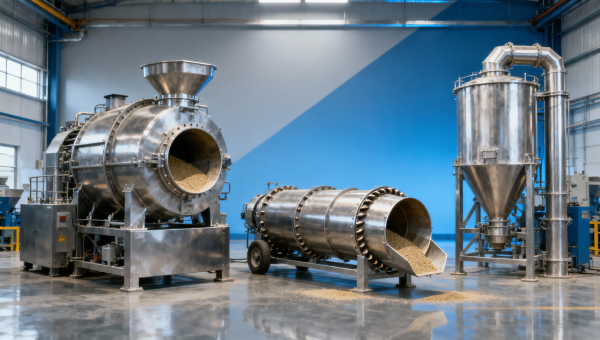
Sourcing animal feed mixers wholesale is not just about finding the lowest price. Whether you are comparing a horizontal ribbon blender feed system or a vertical feed mixer machine, the real value lies in capacity, material quality, compliance, and lifecycle cost. This guide helps procurement teams, plant managers, and decision-makers evaluate supplier quotes with greater confidence and commercial clarity.
In commercial feed and grain processing, a quotation is only useful when it is tied to operating conditions, throughput targets, sanitation requirements, and after-sales support. A mixer that looks competitive on paper can become expensive within 12 to 24 months if it delivers poor homogeneity, excessive residue, high power draw, or difficult maintenance.
For buyers serving livestock farms, integrated feed mills, premix plants, and grain processors, quote comparison should therefore be structured. The aim is to understand what is included, what is omitted, and what commercial risks remain hidden in delivery terms, spare parts access, and acceptance criteria.
Define the Operating Baseline Before Comparing Any Quote
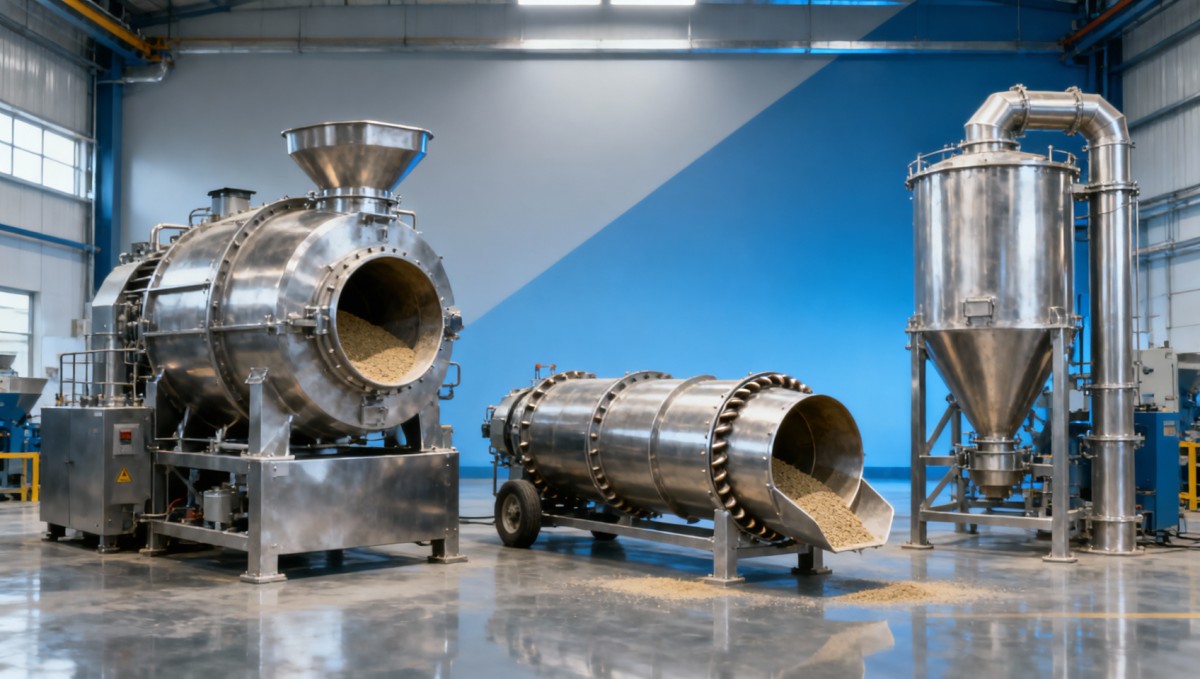
The first mistake in animal feed mixers wholesale procurement is requesting prices before defining the actual production baseline. A 500 kg batch mixer, a 1 ton ribbon blender, and a 3 ton vertical mixer serve very different operating models. If suppliers are quoting against vague requirements, the comparison will be unreliable from the start.
Buyers should specify at least 6 core inputs: target batch size, expected hourly throughput, feed formulation type, moisture range, installation space, and discharge method. For example, mash feed with 10% to 13% moisture behaves differently from denser mineral premix or fiber-heavy formulations. The internal geometry, mixing cycle, and motor load must reflect that reality.
From an operations perspective, it is also important to decide whether the mixer will run 1 shift, 2 shifts, or close to continuous duty. A machine operating 8 hours per day may justify a different gearbox, bearing grade, and liner configuration than one expected to work 16 to 20 hours daily.
Procurement and finance teams should align on commercial assumptions early. If the project target is low capital expenditure, a basic configuration may be acceptable. If the target is lower cost per ton over 3 to 5 years, energy efficiency, wear resistance, and serviceability become more important than entry price.
Key technical inputs to include in your RFQ
- Batch capacity in kilograms or tons, such as 500 kg, 1 ton, or 2 tons per cycle.
- Target mixing time, commonly 3 to 8 minutes depending on recipe and mixer type.
- Homogeneity expectation, often expressed as coefficient of variation or accepted uniformity tolerance.
- Contact material grade, typically carbon steel, painted steel, or stainless steel in selected zones.
- Power supply and motor range, for example 7.5 kW to 30 kW depending on batch size.
- Discharge, cleaning, dust control, and optional liquid addition requirements.
A well-written RFQ reduces back-and-forth, shortens comparison time by 20% to 30% in many sourcing processes, and makes it easier for quality and engineering teams to validate whether each quote addresses the same scope.
Typical mixer selection ranges
Horizontal ribbon blenders are commonly selected for faster, more uniform mixing in medium to high-output feed plants. Vertical feed mixer machines are often considered where floor space, budget constraints, or simpler formulations dominate. However, the right choice depends less on machine category alone and more on recipe complexity, discharge efficiency, and cleaning expectations.
Read Beyond the Price Line: What a Wholesale Quote Should Actually Include
When comparing animal feed mixers wholesale offers, the total quoted amount can hide major scope differences. One supplier may include the mixer body only, while another includes motor, control cabinet, feeding hopper, discharge gate, onsite commissioning, and a 12-month spare parts kit. A lower headline price is meaningless if it leaves critical equipment or services unpriced.
A complete commercial comparison should cover at least 5 cost layers: equipment supply, packaging and freight, installation support, commissioning and training, and long-term maintenance items. In cross-border sourcing, inland transport, export packing, and customs documentation can materially affect landed cost.
Quality and safety teams should also review what the quote says about guards, interlocks, emergency stops, dust sealing, and food-contact surfaces. In feed processing, contamination control and safe operator access are not optional. If these items are vaguely described, request clarification before any commercial approval.
The table below shows how quotation scope can vary between suppliers even when nominal capacity appears similar.
The key takeaway is that scope completeness often matters more than the initial number. A quote that is 8% higher may still be more economical if it avoids later purchases, delayed installation, or weak startup support.
Commercial details often missed during comparison
- Lead time basis: Does the 30 to 45 day schedule start after deposit, drawing approval, or full technical confirmation?
- Warranty scope: Does it cover wear parts, motors, seals, or labor support?
- Acceptance method: Factory test only, or onsite performance verification as well?
- Payment terms: Typical structures such as 30/70 or 40/60 change working capital exposure.
For business evaluators and project managers, these details help transform a simple vendor price sheet into a procurement decision tool grounded in risk, schedule, and operational readiness.
Compare Technical Parameters That Affect Output, Uniformity, and Compliance
Once commercial scope is normalized, the next step is technical comparison. In feed mixing, performance depends on more than chamber size. Buyers should examine effective fill rate, blade or ribbon design, shaft speed, discharge residuals, and ease of cleaning. These factors directly influence consistency, contamination risk, and productivity per shift.
A practical example: two mixers may both be quoted as 1 ton units, yet one may require 8 minutes mixing plus 3 minutes discharge, while the other completes a full cycle in 6 plus 1.5 minutes. Over a 10-hour production day, that difference can materially increase batch count and lower labor bottlenecks.
Material selection is equally important. Carbon steel may be sufficient for standard compound feed, but stainless steel contact parts may be preferred where trace additives, corrosive ingredients, or stricter sanitation routines are involved. Surface finish, weld quality, and dead-zone control all affect residue and cleaning time.
The table below summarizes common technical points to compare when reviewing feed mixer quotations.
Technical comparison should also include controls and traceability features. Timed mixing, interlocked discharge, and simple batch logging can help operators reduce variation across shifts. In regulated or quality-sensitive environments, even basic controls can simplify internal audits and process discipline.
Horizontal vs vertical feed mixer considerations
Horizontal systems are often preferred when buyers need better mixing uniformity, shorter cycle time, and easier integration with automated lines. Vertical units can be attractive for lower initial cost and simpler layout, especially in smaller rural operations or decentralized feed preparation points.
That said, vertical feed mixer machines may require closer review when recipes involve micro-ingredients or when strict changeover hygiene is needed. Procurement teams should ask suppliers to define not only capacity, but also performance under the actual formulation mix used in production.
Questions for engineering and QC teams
- How quickly can the chamber be cleaned between different formulations?
- Are seals and bearings protected from dust ingress in high-particle environments?
- Can the supplier define acceptance criteria for trial material rather than generic powder?
Evaluate Supplier Reliability, Delivery Terms, and Lifecycle Cost
Even a technically sound mixer can become a poor investment if supplier execution is weak. For animal feed mixers wholesale sourcing, reliability should be assessed across manufacturing clarity, communication speed, documentation quality, and spare parts responsiveness. These factors influence startup time, downtime exposure, and total ownership cost.
Ask for a structured offer package. At minimum, suppliers should provide a general arrangement drawing, motor and power details, material specification, delivery schedule, and list of exclusions. A supplier that cannot clearly define scope at quotation stage may create avoidable change orders later.
Lifecycle cost usually includes 4 recurring elements: electricity, wear parts, labor for cleaning and maintenance, and production loss during unplanned stoppages. For a plant running 2 shifts, even 1 to 2 hours of weekly disruption can outweigh a modest purchase-price saving over a year.
Delivery planning deserves close review. A standard feed mixer may ship in 4 to 8 weeks, but projects with customized controls, stainless contact parts, or integrated liquid addition systems may need 8 to 12 weeks. If civil works and upstream conveyors are linked to the same startup date, schedule slippage has wider cost implications.
A practical supplier assessment checklist
This review is particularly useful for financial approvers and senior decision-makers because it links vendor selection to downstream operating exposure rather than treating the purchase as a one-time equipment event.
Warning signs in low-cost quotations
- No clear mention of contact materials, shaft seals, or gearbox brand level.
- Unusually short lead time with no explanation of inventory or production status.
- No test plan, no spare parts list, and no commissioning boundary.
- Warranty language that excludes most moving or wearing parts.
A disciplined quote review can prevent these issues before purchase order release. That is often where the highest-value procurement work happens.
Build a Decision Matrix for Procurement, QA, and Project Approval
The most effective way to compare animal feed mixers wholesale offers is to convert supplier information into a weighted decision matrix. This helps procurement teams avoid over-focusing on upfront price and creates a shared basis for engineering, quality assurance, finance, and plant operations to approve the same choice.
A simple model may use 5 weighted categories: technical fit, commercial completeness, supplier reliability, operating cost, and implementation risk. For example, technical fit might carry 30%, total commercial scope 25%, after-sales capability 20%, lifecycle cost 15%, and delivery confidence 10%.
This approach is especially useful when two quotations are within 5% to 10% of each other. The matrix reveals which offer is actually stronger in long-term value and reduces internal debate based on incomplete assumptions or personal preference.
Below is a practical structure that can be adapted to feed mills, premix operations, or integrated farming groups.
Sample quote comparison framework
- Standardize scope by listing included and excluded items line by line.
- Score technical suitability from 1 to 5 based on actual formulation needs.
- Estimate annual operating impact, including power, cleaning time, and downtime risk.
- Review delivery, installation, and startup dependencies against project schedule.
- Approve only after QA, maintenance, and finance sign off on the same matrix.
Common buyer questions
How long is a normal delivery period? For standard configurations, 4 to 8 weeks is common, while custom projects may extend to 8 to 12 weeks. How many spare parts should be ordered initially? For critical wear and sealing components, many plants carry 6 to 12 months of basic stock depending on usage intensity and import lead time.
Which metric matters most in quote review? In practice, no single metric is enough. Capacity, mixing cycle, residue level, support responsiveness, and total installed cost must be read together. A supplier that is slightly more expensive but clearer on scope and service is often the safer commercial choice.
For organizations that need multi-stakeholder approval, a structured matrix also improves auditability. It demonstrates why a decision was made, what assumptions were used, and how technical and commercial risk were balanced.
Final Procurement Guidance for Feed Mixer Buyers
A strong animal feed mixer quote is not the one with the lowest number. It is the one that matches your production profile, defines technical scope clearly, supports quality control, and minimizes hidden cost over the next 3 to 5 years. That is the standard procurement, plant, and finance teams should apply when sourcing at wholesale scale.
Before issuing a purchase order, confirm 4 essentials: operating baseline, normalized quote scope, technical performance requirements, and supplier execution plan. This reduces rework, supports safer installation, and gives operators a machine they can run and maintain with confidence.
For feed and grain businesses evaluating horizontal ribbon blenders, vertical feed mixer machines, or broader processing line upgrades, disciplined quote comparison leads to better commercial clarity and stronger plant performance. It also helps align procurement decisions with quality expectations and project deadlines.
If you are reviewing supplier proposals and need a clearer framework for technical evaluation, cost comparison, or implementation planning, contact us to discuss your application, request a tailored comparison checklist, or explore more feed and grain processing solutions.
Related Intelligence
- Commercial Feed PelletU.S.-Iran Strait of Hormuz Tensions Push Feed Pellet Freight Rates Up 8.3%U.S.-Iran Strait of Hormuz tensions spike feed pellet freight rates by 8.3%. Discover how exporters, importers & logistics providers can mitigate risk and adapt fast.
- Commercial Feed PelletVertical Feed Mixer Machine: What Size Do You Need?Vertical feed mixer machine sizing guide: compare batch capacity, daily output, and formula needs. Ideal for horizontal ribbon blender feed buyers, cattle feed processing plant planners, and animal feed mixers wholesale sourcing.
- Commercial Feed PelletAnimal Feed Mixers Wholesale: How to Compare QuotesAnimal feed mixers wholesale guide: compare horizontal ribbon blender feed and vertical feed mixer machine quotes by capacity, compliance, lifecycle cost, and supplier support.
The Morning Broadsheet
Daily chemical briefings, market shifts, and peer-reviewed summaries delivered to your terminal.
