

The Authority in Global Agricultural Chemistry & Bio-Resources
Sugarcane juice extractor commercial: yield vs cleaning time
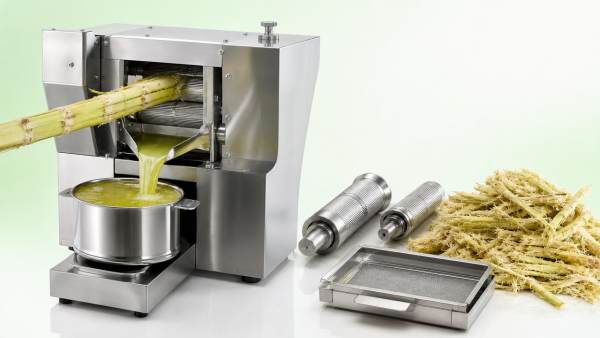
Sugarcane juice extractor commercial buying priorities: why yield and cleaning time matter most
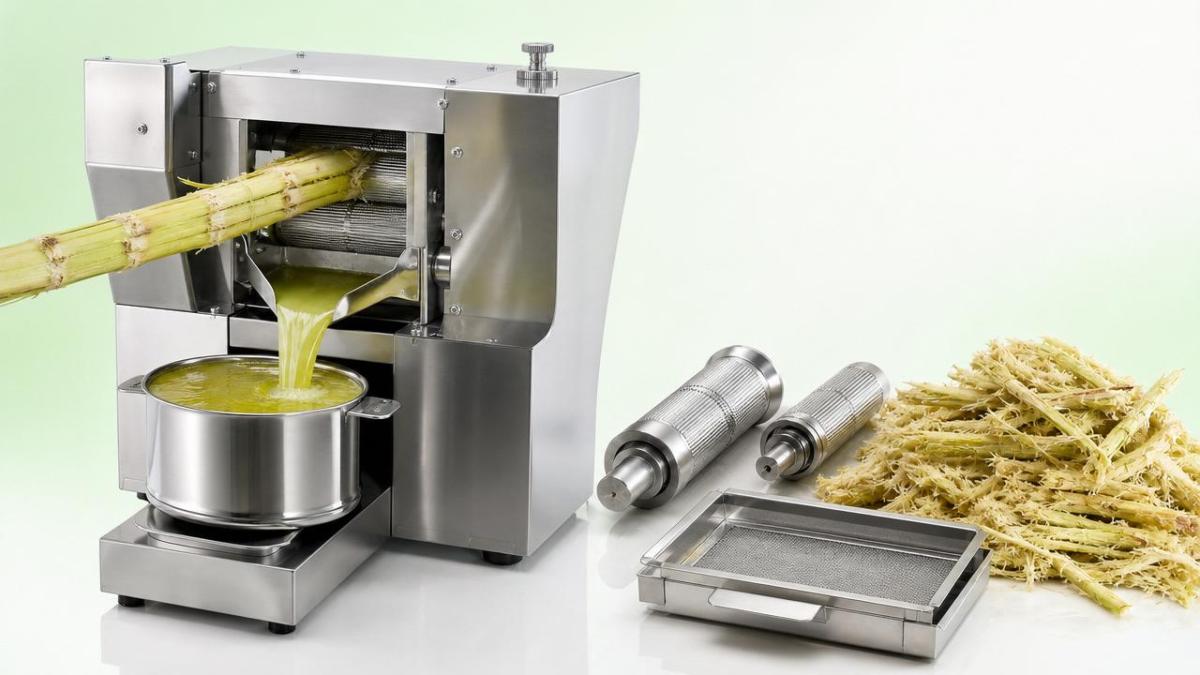
Choosing a sugarcane juice extractor commercial buyers can rely on often comes down to one core trade-off: maximum juice yield versus faster cleaning time. For cafés, juice bars, and market vendors, the right machine affects daily output, hygiene, labor costs, and customer satisfaction. This guide explores how to balance extraction efficiency with practical maintenance needs before making a smart investment.
A high-yield machine can squeeze more juice from every stalk, reducing raw material waste and improving gross margin. Yet a sugarcane juice extractor commercial unit that takes too long to disassemble and sanitize may slow service, increase labor hours, and create hygiene risks during peak operating periods. The best decision is rarely about one metric alone. It is about matching extraction performance, cleaning workflow, and usage volume to the realities of the business environment.
In practice, this means looking beyond brochure claims. Roller pressure, motor torque, feed design, stainless steel grade, residue handling, drainage layout, and access to food-contact parts all influence whether a sugarcane juice extractor commercial machine performs well in real conditions. A structured review helps reduce costly mistakes and reveals which specifications actually matter day to day.
Why a structured evaluation prevents expensive mistakes
Sugarcane is fibrous, sticky, and highly perishable once pressed. That combination makes machine selection more demanding than many first-time buyers expect. Yield matters because sugarcane input costs are significant over time. Cleaning time matters because sweet residue attracts insects, promotes microbial growth, and can damage workflow if sanitation is delayed.
A structured evaluation also helps compare machines that appear similar on paper. Two units may both claim high output, but one may require tools for roller removal while another has quick-release covers and better drainage. One machine may deliver excellent extraction with dry bagasse, while another leaves wet pulp but can be cleaned in half the time. Without a clear decision framework, it is easy to overpay for output that is never fully used or underestimate the operational burden of daily washing.
Core points to check before choosing a sugarcane juice extractor commercial model
- Measure actual juice yield per kilogram of cane, not just hourly throughput, because higher extraction efficiency can offset a higher purchase price over time.
- Check how long complete daily cleaning takes, including shutdown, disassembly, rinsing, sanitizing, drying, and reassembly before the next service window.
- Inspect whether food-contact parts use corrosion-resistant stainless steel and whether welds, seams, and corners are smooth enough to prevent residue buildup.
- Review roller design and pressure adjustment, since roller spacing strongly influences both juice extraction rate and the amount of wet fiber left behind.
- Confirm motor power matches cane hardness and expected daily volume, avoiding underpowered units that stall or overpowered units that waste energy.
- Look for quick-access guards, removable trays, and tool-free components, because these features reduce cleaning labor and improve sanitation consistency.
- Evaluate the feeding chute and safety protection, ensuring operators can insert cane smoothly without excessive hand contact near moving rollers.
- Check drainage design carefully so juice flows efficiently to the collection point without pooling, foaming, or trapping pulp in hard-to-reach areas.
- Ask for realistic noise and vibration data, especially where customer-facing service counters require a more pleasant and stable operating environment.
- Compare spare parts availability for rollers, seals, switches, and motors, because downtime can quickly erase gains from a lower upfront purchase cost.
- Verify local electrical compatibility, footprint, and ventilation needs to ensure the sugarcane juice extractor commercial unit fits the actual installation space.
- Request a cleaning demonstration or maintenance video, since service-friendly design is easier to judge by action than by specification sheets alone.
How to weigh yield against cleaning time in real operating terms
The simplest way to compare a sugarcane juice extractor commercial machine is to calculate value per shift. Start with cane input per day, expected juice yield percentage, labor cost per hour, and average cleaning duration. Then estimate how much extra juice a higher-yield model produces and whether that gain exceeds the added labor from more complex cleaning.
For example, if one machine extracts 8% more juice but adds 25 minutes of cleaning per day, the result may still be favorable in a high-volume setup. In a low-volume kiosk, the opposite may be true. Faster turnaround, simpler sanitation, and reduced staff training can outweigh the benefits of squeezing every last drop. This is why the best sugarcane juice extractor commercial decision depends on operating rhythm, not just technical claims.
Another useful metric is residue dryness. Drier bagasse usually indicates stronger extraction, but if the machine achieves that by using tighter roller arrangements that are difficult to access and clean, maintenance time rises. The right balance is the point where incremental juice recovery still supports service speed, hygiene control, and predictable daily labor.
What matters most in different operating scenarios
Small cafés and juice counters
In smaller shops, a sugarcane juice extractor commercial machine should prioritize compact size, moderate output, and rapid cleaning. Staff often handle multiple tasks, so long teardown procedures create friction. A slightly lower yield may be acceptable if the machine can be cleaned quickly between service periods and moved easily for under-counter sanitation.
Look for simple roller access, removable pulp trays, and minimal splash zones. Noise level also matters more in customer-facing environments where the machine operates close to seating or ordering areas.
Busy juice bars and high-footfall retail points
Here, the sugarcane juice extractor commercial priority shifts toward higher throughput and stable extraction under continuous use. The machine should process cane efficiently without overheating or requiring frequent pauses. Yield becomes more important because raw material usage compounds quickly across hundreds of servings.
Even so, cleaning cannot be ignored. Machines in this setting benefit from segmented maintenance, such as easy mid-shift rinsing and fast end-of-day sanitation. A model that is powerful but awkward to clean may create bottlenecks after closing time.
Outdoor markets and mobile stalls
Market operations need a sugarcane juice extractor commercial unit that is durable, portable enough for transport, and easy to clean in limited-water conditions. Simpler designs are often better than highly complex systems, especially where utility access changes day by day.
Check frame stability, splash control, waste collection, and how quickly sticky parts can be wiped down during service. Cleaning time matters heavily because mobile setups often require fast packing and transport after sales end.
Processing rooms and back-of-house production
In a dedicated production area, a sugarcane juice extractor commercial system can lean more toward maximum yield, provided cleaning procedures are formalized. Since staff, drainage, and sanitation tools are usually better organized, a more robust machine with stronger extraction may provide better long-term economics.
Still, food safety remains central. Surfaces should support routine washdown, and machine design should align with local hygiene expectations, especially where juice is bottled, chilled, or held before service.
Commonly overlooked issues that affect long-term performance
One frequent mistake is trusting throughput claims without asking what cane size, moisture content, or operator skill level was used during testing. A sugarcane juice extractor commercial machine may perform very differently with tough, irregular stalks than with ideal sample material.
Another overlooked issue is sanitation access around guards, hinges, and collection spouts. Machines that look polished from the outside may hide residue traps in internal corners. Over time, these areas increase contamination risk and make cleaning routines less reliable.
Replacement parts are also underestimated. Rollers, seals, and bearings wear under heavy sugarcane use. If the sugarcane juice extractor commercial model uses proprietary parts with long lead times, downtime can interrupt sales and increase service costs.
Electrical safety and environmental fit deserve attention as well. Humid spaces, outdoor use, voltage variation, and frequent washdown all place extra stress on motors and controls. A machine suited to these conditions will generally outperform a cheaper unit with limited protection.
A practical way to test and compare machines before buying
- Prepare the same batch of sugarcane for every model so yield results remain comparable and are not distorted by raw material variation.
- Record juice volume, pulp condition, processing speed, and stoppages during a timed run that reflects actual serving demand.
- Time the full cleaning cycle from shutdown to ready-to-run status, including disassembly and drying of food-contact components.
- Inspect hidden areas after rinsing to see whether fibrous residue remains trapped in guards, spouts, or roller supports.
- Compare the total daily value equation: extra juice recovered versus extra labor, downtime exposure, and maintenance complexity.
This side-by-side method gives a more reliable answer than catalog comparisons alone. It also reveals whether a sugarcane juice extractor commercial unit is genuinely efficient or simply optimized for marketing specifications.
Final decision steps for a better sugarcane juice extractor commercial investment
Start by defining daily cane volume, acceptable cleaning time, available labor, and required hygiene level. From there, rank machines based on extraction yield, cleaning access, durability, and service support rather than purchase price alone. In most cases, the strongest option is not the machine with the highest claimed output, but the one that can maintain stable performance with manageable cleaning effort every single day.
A smart sugarcane juice extractor commercial purchase should improve product consistency, reduce wasted cane, support sanitation discipline, and fit the actual pace of operations. Before committing, request a live demonstration, confirm spare parts availability, and test the machine against your own cleaning expectations. That final step often makes the difference between a machine that looks impressive and one that truly delivers reliable value.
If the choice is close, favor the model that your team can clean correctly and consistently. Over months of use, dependable hygiene and efficient workflow usually create more lasting returns than marginally higher extraction on paper. That is the most practical path to selecting a sugarcane juice extractor commercial solution that performs well in the real world.
Related Intelligence
- Milling Machinery5 Milling Machinery Firms Approved for Belt and Road Smart Farm Machinery Cloud Platform5 milling machinery firms approved for Belt and Road Smart Farm Machinery Cloud Platform — enabling multilingual remote diagnostics, cross-border spare parts ordering & national API integration.
- Milling MachineryTea leaf rolling machine pressure settings and leaf appearanceTea leaf rolling machine pressure settings directly shape twist, appearance, and quality. Learn how to balance pressure for cleaner leaves, less breakage, and more consistent tea processing results.
- Milling MachineryTea processing machines wholesale and the spare parts questionTea processing machines wholesale buyers now focus on spare parts, uptime, and lifecycle support. Learn how to compare suppliers, reduce downtime risk, and protect tea quality.
The Morning Broadsheet
Daily chemical briefings, market shifts, and peer-reviewed summaries delivered to your terminal.
