

The Authority in Global Agricultural Chemistry & Bio-Resources
How to read Agri & Forestry machinery specifications better
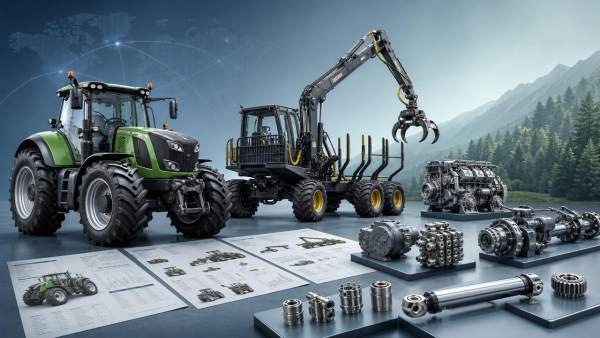
Understanding Agri & Forestry machinery specifications is essential for anyone evaluating tractors, harvesters, skidders, mulchers, loaders, sprayers, and other heavy-duty field equipment. A specification sheet is more than a list of numbers: it explains how a machine will perform under load, how efficiently it will use fuel, what implements it can support, and whether it complies with the operational and regulatory conditions of a region. When read correctly, specifications help reduce downtime, improve lifecycle cost control, and prevent mismatches between machine capability and field reality.
In agricultural and forestry operations, equipment decisions are increasingly shaped by emissions rules, operator safety standards, terrain demands, hydraulic integration, and digital monitoring features. That makes it important to compare machinery with a structured method rather than relying on horsepower alone. This article explains how to read Agri & Forestry machinery specifications better, what technical lines deserve extra attention, and how to turn a specification sheet into a practical evaluation tool.
Why a structured reading method matters
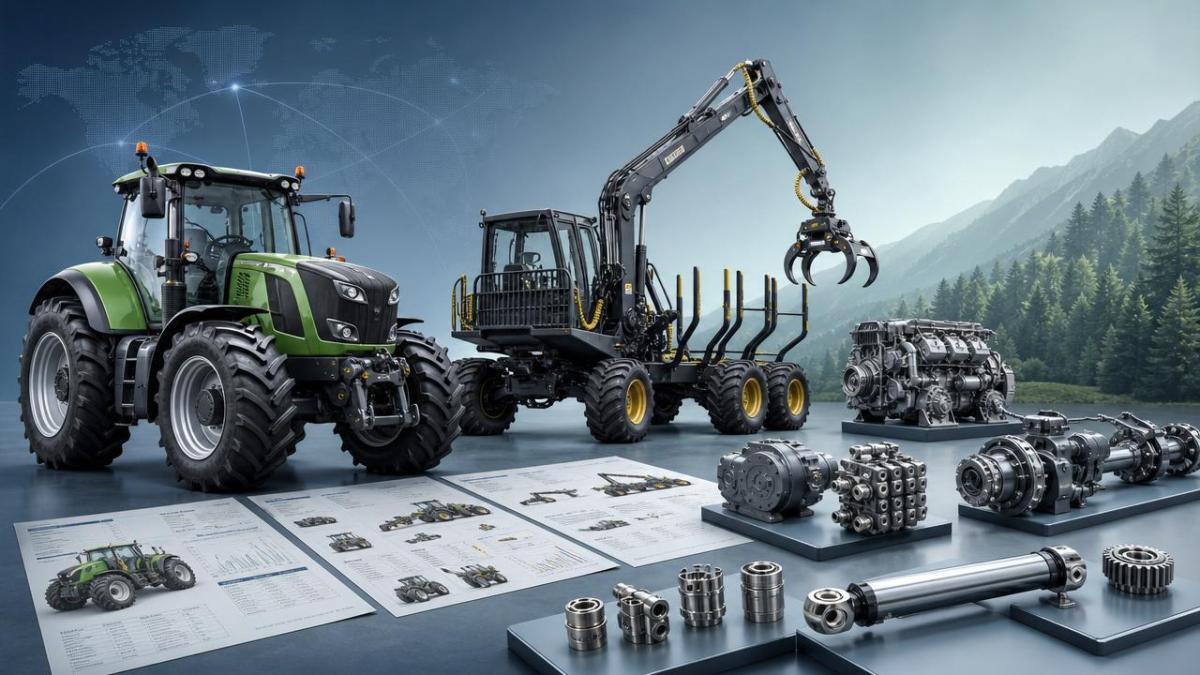
Many machines look similar on paper because headline figures can be presented without enough context. Two units may list the same engine output, yet differ significantly in torque curve, hydraulic flow, axle load rating, or PTO efficiency. In forestry environments, a machine with strong nominal power may still underperform if ground clearance, guarding, articulation, or cooling system design is not suited to debris-heavy terrain. A structured reading approach helps separate marketing language from measurable performance.
It also improves comparability across brands and equipment classes. Specification sheets often use different test standards, units, and optional configurations. Reading Agri & Forestry machinery specifications with a checklist makes it easier to normalize data, identify missing values, and ask informed follow-up questions before any technical shortlisting or field validation begins.
Core points to review on every specification sheet
- Confirm engine power standard, rated RPM, and peak torque range, because identical horsepower figures can produce very different pulling, climbing, and implement-driving performance in real working conditions.
- Check whether operating weight is base weight or fully equipped weight, since attachments, ballast, guards, fluids, and cabin options can materially change field stability and transport planning.
- Review hydraulic flow, pressure, and number of auxiliary circuits together, as attachment compatibility depends on total hydraulic capability rather than a single flow figure alone.
- Read transmission type carefully, including gear ranges, CVT or powershift details, travel speed, and creep capability, especially when machines operate across planting, haulage, and precision tasks.
- Verify lift capacity at the correct measurement point, because rear hitch, loader arm, and boom-end ratings may be quoted at different distances that affect true usable lifting performance.
- Examine PTO ratings, speed options, and power delivery efficiency for agricultural units, since implement productivity depends on stable output under varying load and moisture conditions.
- For forestry equipment, inspect ground clearance, tire or track options, articulation angle, guarding, and underbody protection to judge survivability in rough, wet, and debris-filled terrain.
- Compare dimensions such as wheelbase, turning radius, height, and transport width, which directly influence maneuverability between crop rows, forest stands, road transfers, and storage limits.
- Check fuel tank, DEF or AdBlue capacity, and stated consumption conditions, because operating range and refueling frequency affect labor efficiency and route planning on remote sites.
- Look for emissions stage, safety compliance, and braking specifications, ensuring the machine aligns with regional standards, road movement rules, and environmental requirements before deployment.
- Assess onboard electronics, ISOBUS support, telematics, and diagnostic access, as digital compatibility now influences maintenance visibility, fleet integration, and documentation quality.
- Always note whether figures refer to standard configuration or optional packages, because premium tires, pumps, cabs, and counterweights can significantly alter the published specifications.
How to interpret the most important specification categories
Engine output is not the whole story
One of the most common mistakes in reading Agri & Forestry machinery specifications is overvaluing gross horsepower. More useful indicators include torque rise, power available at working RPM, altitude derating behavior, cooling capacity, and fuel efficiency under partial load. For tillage and haulage, torque characteristics matter as much as peak output. For forestry mulching or chipping, sustained load handling and thermal stability may be even more important.
Hydraulics define attachment versatility
Hydraulic specifications are often condensed into one headline flow number, but real performance depends on system type, pressure, pump design, and simultaneous function capability. A machine may provide enough flow for a loader but not enough to run a demanding grapple, head, or precision application tool at full productivity. When comparing Agri & Forestry machinery specifications, match the hydraulic requirements of the intended implement to continuous, not theoretical, machine output.
Weight, balance, and ground impact affect productivity
Operating weight influences traction, compaction, transport legality, and recovery risk in soft conditions. In agriculture, excessive weight can damage soil structure. In forestry, insufficient weight or poor balance can reduce stability on slopes and during lifting. Ground pressure, axle load limits, ballast options, and tire or track selection should therefore be reviewed together, not independently.
Dimensions determine access and usability
Overall length and width can affect trailer loading, road permits, row spacing, and stand access. Turning radius matters in orchards, plantation work, and timber extraction paths where maneuverability directly affects cycle time. Cab height and folded transport dimensions are equally important when machines must pass under storage structures, tree canopies, or low clearances.
Application-specific points to check
Field crop operations
For tractors, sprayers, seeders, and harvesting support equipment, prioritize PTO performance, hydraulic outlet configuration, wheel slip control, and compatibility with precision agriculture systems. Guidance readiness, ISOBUS integration, and section control support may have just as much operational value as engine size.
Transport speed and braking performance also deserve careful review when equipment frequently moves between fields. A machine that works well in-field but lacks efficient roadability can lose significant time across a full season.
Forestry and woodland work
In forestry applications, Agri & Forestry machinery specifications should be read with emphasis on protective structures, cooling package design, debris shielding, articulation, and traction on unstable surfaces. High nominal output is of limited value if hoses, radiators, or underbody components remain vulnerable in slash-heavy conditions.
Winch capacity, boom reach, grapple force, and slope operating limits should also be validated carefully. Some manufacturers publish ideal-condition figures that do not fully represent dense timber or wet terrain realities.
Mixed-use estates and diversified operations
Where one machine serves mowing, loading, hauling, spraying, and light forestry tasks, flexibility becomes the key selection factor. Look closely at quick-attach systems, auxiliary hydraulics, transmission versatility, service access, and operator comfort across long duty cycles. Multi-role performance often depends on balanced specifications rather than maximum values in one category.
Commonly overlooked details that change real-world performance
Test standard differences: Engine power may be listed under different standards such as ISO, SAE, or ECE methods. If two machines use different reference standards, direct comparison becomes unreliable without normalization.
Optional versus standard equipment: Published lift, reach, traction, or comfort values may rely on optional tires, upgraded pumps, reinforced axles, or premium cabs. Always confirm the exact build behind the numbers.
Service intervals and access: Strong performance figures can be offset by poor maintainability. Review filter access, lubrication points, cooling system cleaning access, and recommended service intervals when reading Agri & Forestry machinery specifications.
Climate suitability: Machines used in humid, dusty, cold, or high-altitude conditions may require upgraded filtration, cold-start support, corrosion protection, or modified cooling. Standard specifications may not reflect those adaptations.
Operator environment: Cab pressurization, visibility, vibration level, seat suspension, and control ergonomics influence fatigue and safety. These details are often given less attention than power figures but affect daily productivity substantially.
A practical method for comparing specification sheets
A reliable way to compare Agri & Forestry machinery specifications is to build a simple evaluation table with weighted criteria. Start by listing the intended tasks, average terrain conditions, attachment requirements, transport needs, compliance obligations, and maintenance limits. Then score each machine only against those real operating needs.
This method reduces the risk of overpaying for unused capability or underestimating critical limitations. It also helps identify when two machines are not true equivalents, even if their marketing categories suggest otherwise.
Execution advice for better technical evaluation
First, collect the full technical datasheet rather than the brochure summary. Second, confirm all key values under the exact configuration being considered. Third, align each specification against the actual implements, terrain, and operating hours expected. Fourth, flag any missing values, because absent data often indicates an area that needs clarification. Finally, validate paper specifications against field demonstrations, service documentation, and parts support realities before drawing final conclusions.
Frequently asked questions
Which specification matters most?
There is no single most important line. The best reading of Agri & Forestry machinery specifications comes from combining power, hydraulics, weight, dimensions, and compatibility data against the intended application.
Can two machines with the same horsepower perform differently?
Yes. Torque delivery, transmission efficiency, hydraulic capability, cooling performance, and machine weight distribution can create major differences in real output and durability.
Why are optional configurations so important?
Because published numbers may be based on enhanced tires, ballast, pumps, or booms. If the working machine is configured differently, actual performance may not match the advertised figures.
Final takeaways and next steps
Reading Agri & Forestry machinery specifications better means looking beyond headline power and examining how every technical category interacts in real operating conditions. Engine output, hydraulics, weight, dimensions, digital integration, and compliance standards all shape practical value. A structured review process helps reveal hidden constraints, improves machine-to-task alignment, and supports more confident technical decisions.
As a next step, create a side-by-side comparison sheet for the machines under consideration, mark any unclear specifications, and verify them through complete technical documents and field-use evidence. With a disciplined approach, Agri & Forestry machinery specifications become a decision tool rather than a source of confusion.
Related Intelligence
- Heavy Agri MachineryHow to shortlist Agri & Forestry machinery manufacturersAgri & Forestry machinery manufacturers: learn how to shortlist reliable suppliers by comparing capability, compliance, service, and delivery strength for smarter, lower-risk sourcing.
- Heavy Agri MachineryWhy onion grading machine accuracy changes during peak seasonOnion grading machine accuracy can shift during peak season due to higher throughput, dust, crop variability, and sensor drift. Learn the causes and smart fixes to protect quality.
- Heavy Agri MachineryHow to read Agri & Forestry machinery specifications betterAgri & Forestry machinery specifications explained clearly: learn how to compare power, hydraulics, weight, safety, and compliance to choose equipment smarter and avoid costly mistakes.
The Morning Broadsheet
Daily chemical briefings, market shifts, and peer-reviewed summaries delivered to your terminal.
