
Rice Whitener Machine Buying Mistakes You Can Avoid
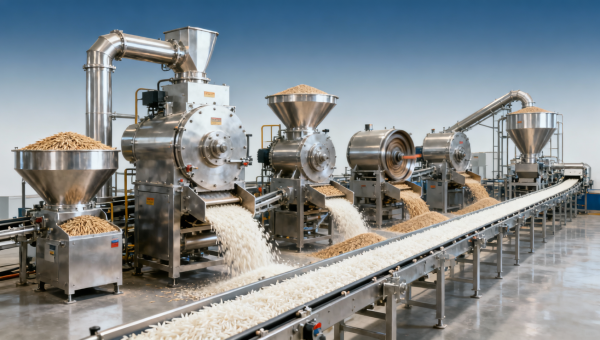
Buying a rice whitener machine without evaluating upstream and downstream equipment can lead to costly inefficiencies. From the paddy separator machine and paddy husker machine to the rotary rice grader, rice color sorter machine, bran finisher machine, and grain dampener machine, every choice affects yield, quality, and operating cost. This guide highlights avoidable buying mistakes and helps technical, commercial, and project teams assess options for a commercial rice mill plant with confidence.
Why do buyers make avoidable mistakes when selecting a rice whitener machine?
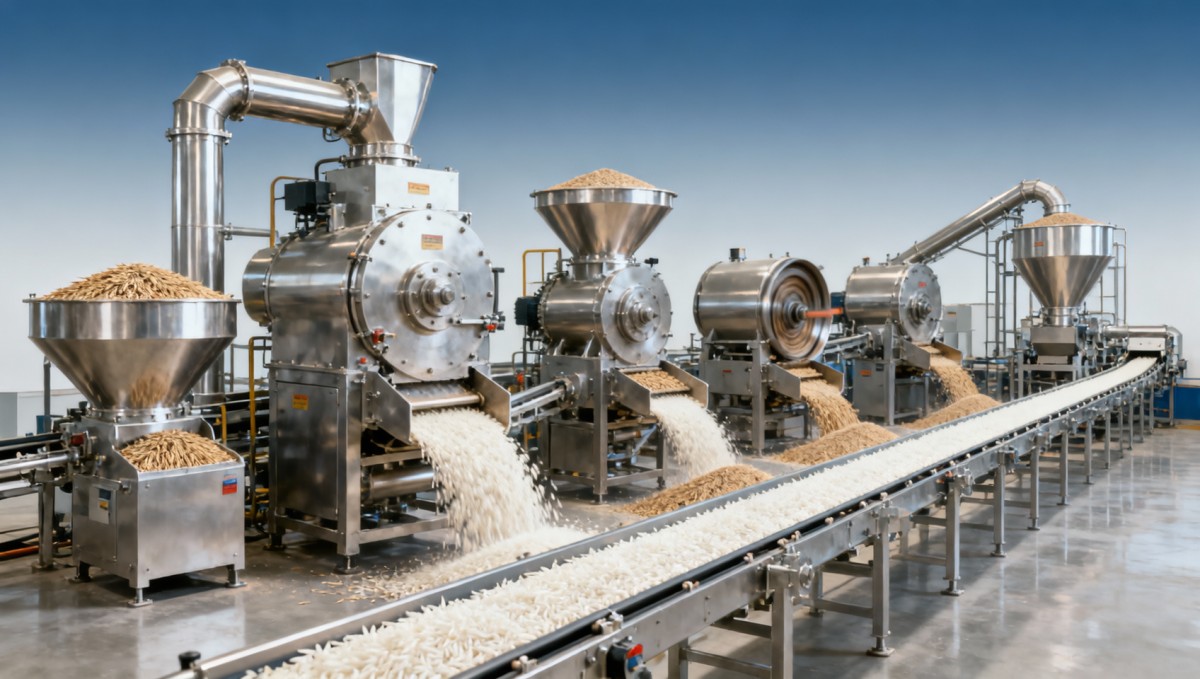
In commercial rice milling, the rice whitener machine is rarely an isolated purchase. It sits inside a processing line that may include 6 to 10 linked stages, from cleaning and husking to grading, color sorting, polishing, and packing. Buyers often focus on the whitening chamber, motor power, or selling price, yet overlook how the machine interacts with feed consistency, broken rice rate, bran extraction, and downstream sorting efficiency.
This is where procurement teams, plant operators, technical evaluators, and finance approvers often diverge. Operators want stable running for 8 to 16 hours per shift. Technical teams want predictable whiteness, temperature control, and serviceability. Finance teams want payback visibility over 12 to 36 months. Project managers need installation, commissioning, and utility matching to stay on schedule. When these priorities are reviewed separately, mistakes become more likely.
For readers in feed and grain processing, ACC’s editorial perspective is especially relevant because equipment decisions now involve more than output per hour. Supply chain transparency, spare parts continuity, safety documentation, dust control, and process validation all affect the real value of a rice whitener machine. A lower initial quotation can become a higher total cost if the machine disrupts grading accuracy or increases reprocessing.
The most common buying mistakes usually start before quotation comparison. They begin with incomplete line mapping, weak raw material analysis, and unclear quality targets. If a plant handles multiple paddy varieties or moisture ranges, a machine that performs well in one test run may underperform in routine production across 3 shifts or seasonal feedstock changes.
Four root causes behind poor equipment decisions
- The rice whitener machine is evaluated as a standalone asset instead of a matched unit in a commercial rice mill plant.
- Target metrics are vague, such as “better quality” rather than measurable ranges for output, whiteness consistency, broken rate, and bran recovery.
- Upstream equipment such as the paddy separator machine or paddy husker machine is not checked for feed uniformity, which directly affects whitening stability.
- Service, maintenance interval, wear parts, and operator skill requirements are ignored during supplier comparison.
What a serious buyer should define before asking for quotes
Before contacting suppliers, define at least 5 items: raw material type, target throughput, acceptable broken rice level, target finish level, and utility conditions. Add shift duration, available floor space, dust collection readiness, and local service support if the project is expected to scale. These details reduce the risk of receiving attractive but non-comparable proposals.
A disciplined brief also helps commercial and technical teams speak the same language. Instead of comparing broad claims, they can evaluate practical questions such as whether one machine suits medium-volume milling, whether another requires more frequent abrasive part replacement, or whether a specific layout works better with a rotary rice grader and rice color sorter machine.
Which system mismatches create the highest risk in a commercial rice mill plant?
The biggest buying mistakes usually occur at the interfaces between machines. A rice whitener machine may appear technically sound, yet still fail to deliver expected results if upstream paddy separation is unstable or downstream sorting is under-specified. In practice, 3 system mismatches are especially costly: feed inconsistency, unsuitable whitening intensity, and weak bran or broken management.
Feed inconsistency often begins with the paddy separator machine and paddy husker machine. If husking leaves too much paddy in the brown rice stream, or if feed uniformity varies across batches, the whitener faces unstable loading. That can increase heat, reduce polishing consistency, and make the final output harder for the rice color sorter machine and rotary rice grader to process efficiently.
Moisture management is another overlooked factor. A grain dampener machine may be necessary where incoming grain moisture varies by season, storage time, or supplier. Even a difference within a narrow operating range can influence friction, surface finish, and bran removal. When moisture conditioning is ignored, buyers may wrongly blame the rice whitener machine for defects caused earlier in the line.
Downstream compatibility matters just as much. If the selected machine produces too many fines or unstable bran discharge, the bran finisher machine and grader may struggle. This creates hidden cost through recirculation, cleaning downtime, or lower head rice recovery. For decision-makers, the question is not simply “Can it whiten rice?” but “How does it affect total line yield over daily, weekly, and seasonal operation?”
System-level checkpoints before approval
The table below helps cross-functional teams review equipment compatibility before final supplier selection. It is especially useful when comparing multiple line configurations rather than a single rice whitener machine in isolation.
A table like this reveals why the cheapest rice whitener machine is not always the lowest-risk choice. In many plants, capacity mismatch of even one linked machine can affect the entire line. Procurement should therefore compare integrated performance, not only machine-level price and nameplate capacity.
Where operators and quality teams usually disagree
Operational stability versus finish intensity
Operators often prefer a stable machine that is easier to run for long shifts with fewer adjustments. Quality teams may prefer a stronger finish target to satisfy market grade expectations. Without a defined compromise, the machine can be set too aggressively, raising breakage and temperature. That is not only a technical problem; it affects saleable output and customer acceptance.
Throughput claims versus usable throughput
Quoted capacity should be tested against actual feed conditions, not ideal material. Buyers should ask whether the stated range applies to one rice variety, one moisture band, or controlled trial conditions. Usable throughput may differ once the line runs with variable paddy quality and realistic stop-start operation.
What technical parameters and purchasing criteria should you compare first?
For a rice whitener machine, purchasing discipline begins with comparable criteria. Many quotations include broad statements but omit the parameters that matter during commissioning and daily production. Technical evaluators should request a structured parameter sheet, while commercial reviewers should translate those figures into maintenance cost, utility load, and production risk.
At minimum, compare 6 categories: capacity range, motor power, chamber or abrasive configuration, pressure adjustment method, bran discharge arrangement, and maintenance interval. If the plant processes more than one rice type, also compare adaptability across feed variation. For project leaders, installation footprint, access for service, and utility connection points should be reviewed before layout freeze.
A practical selection process usually includes 4 stages: requirement definition, technical screening, commercial clarification, and final risk review. This sequence helps finance and management teams avoid approving a machine that looks competitive on paper but introduces avoidable downstream cost. It also gives safety and quality personnel time to assess dust handling, guarding, and cleaning access.
ACC often frames equipment evaluation in a broader industrial context: a processing line is a controlled production environment, not just a collection of machines. This means buyers should treat service documentation, wear part traceability, operating instructions, and installation planning as core procurement data, not optional afterthoughts.
A practical comparison table for technical and commercial review
Use the following table to compare rice whitener machine proposals on both engineering and buying logic. It works well during supplier shortlisting and internal approval meetings.
This comparison framework helps teams avoid superficial decisions. It also gives finance approvers a clearer basis for judging whether a higher-priced machine may reduce downtime, spare consumption, or product loss over a 1- to 3-year operating horizon.
Five questions every buyer should raise with suppliers
- What feed conditions were used to determine the quoted capacity and finish level?
- How does the rice whitener machine perform when moisture or variety changes across batches?
- Which wear parts need replacement most often, and what is the usual lead time for supply?
- What commissioning support is included during the first 7 to 15 days after installation?
- Can the proposed machine be matched with a bran finisher machine, rotary rice grader, and rice color sorter machine already in the line?
How should you evaluate cost, compliance, and implementation risk?
The purchase price of a rice whitener machine is only one layer of the decision. In a B2B milling environment, cost should be reviewed across at least 4 categories: equipment price, installation and utilities, maintenance and wear parts, and production loss risk. A lower capex option can be less economical if it creates more broken rice, more rework, or more downtime during peak procurement periods.
Compliance also matters, even when the machine itself is not marketed under a specialized regulatory label. Buyers should ask for basic technical documentation, safety instructions, electrical compatibility details, dust control recommendations, and material contact information where relevant. Quality and safety managers typically review guarding, cleaning access, emergency stop arrangements, and plant hygiene implications during equipment approval.
Implementation risk often appears in compressed project schedules. A commercial rice mill plant may need civil readiness, power connection, dust collection interface, and operator training completed within 2 to 6 weeks around delivery. If the supplier cannot provide a realistic handover sequence, project leaders may face start-up delays even when the machine arrives on time.
From ACC’s industry viewpoint, the most resilient buyers are those who treat documentation and service readiness as part of supply chain transparency. This is especially important in regions where spare availability, local electrical standards, and operator training capacity vary significantly from one project to another.
Typical cost and risk review points
- Initial machine price should be reviewed together with commissioning scope, spare starter kit, and whether installation supervision is included.
- Operating cost should include energy use, planned wear part consumption, and labor demands per shift.
- Quality cost should include risk of increased breakage, unstable finish, reject rise at the color sorter, and extra recirculation.
- Project cost should include layout adjustment, dust collection adaptation, training time, and start-up troubleshooting resources.
A simple implementation checklist for project teams
Before delivery
Confirm footprint, utility points, expected feed specifications, and compatibility with the paddy separator machine, paddy husker machine, and downstream grading stages. Also review what documents will be delivered in advance for installation planning and operator preparation.
During installation and start-up
Track 6 acceptance items: mechanical integrity, electrical connection, no-load test, loaded test, bran discharge performance, and output stability. If possible, run more than one feed batch to check whether settings remain stable beyond a single demonstration condition.
After handover
Plan a review after the first 2 to 4 weeks of operation. This is when recurring issues usually emerge, such as premature wear, inconsistent feed behavior, or operator adjustment errors. Early review protects output and shortens the time to stable production.
FAQ: what do buyers, operators, and decision-makers ask most often?
How do I know whether a rice whitener machine is suitable for my plant?
Start with line-level fit, not brochure claims. Review your target throughput, rice varieties, moisture conditions, upstream feed quality, and downstream sorting setup. A suitable machine should match the real operating window of the plant, not only a peak output figure. In most cases, evaluating 3 to 5 core factors gives a more reliable result than comparing price alone.
What are the most common buying mistakes?
The most common mistakes are buying only by price, ignoring the paddy separator machine and paddy husker machine performance, overlooking grain moisture conditioning, and failing to assess wear parts and service support. Another frequent problem is accepting quoted capacity without asking how it changes under routine, mixed-batch production.
Should I upgrade only the rice whitener machine or the whole line?
That depends on where the bottleneck really sits. If the current issue is poor feed consistency, weak grading, or unstable color sorting, replacing only the rice whitener machine may not solve the problem. Many plants benefit more from targeted upgrades across 2 or 3 stages than from one isolated machine change.
What delivery and commissioning timeline is realistic?
Timelines vary by supplier scope, but buyers should separate manufacturing lead time, shipping, installation readiness, and on-site commissioning. For planning purposes, project teams often review the process in 3 stages: pre-delivery preparation, mechanical and electrical installation, and trial plus stabilization. This helps avoid unrealistic internal deadlines.
Why consult AgriChem Chronicle when evaluating a rice whitener machine purchase?
A rice whitener machine purchase touches technical performance, supply chain risk, compliance awareness, and capital discipline at the same time. That is why many industrial buyers need more than a product sheet. They need structured intelligence that links machinery decisions to broader processing outcomes, supplier credibility, and implementation feasibility. ACC is built around exactly that decision environment.
Our editorial strength comes from cross-sector coverage of agricultural machinery, feed and grain processing, biochemical manufacturing, and regulated industrial supply chains. For procurement teams, this means a more practical perspective on issues such as documentation quality, equipment fit, process continuity, and commercial risk. For technical reviewers, it means clearer guidance on how machinery choices influence quality, throughput, and maintenance planning.
If you are comparing a rice whitener machine, planning a commercial rice mill plant, or validating a full line that includes a paddy separator machine, paddy husker machine, rotary rice grader, rice color sorter machine, bran finisher machine, or grain dampener machine, ACC can help frame the right questions before budget approval. That support is especially valuable when multiple departments must align within one procurement cycle.
Contact us to discuss parameter confirmation, line matching logic, supplier comparison, implementation sequencing, documentation expectations, and quotation review. If your team is deciding between partial upgrade and full-line optimization, we can help you structure the evaluation around output goals, risk points, delivery timing, and long-term operating economics.
Related Intelligence
- Milling MachineryHow to avoid grain destoner machine issues?Grain destoner machine issues explained: learn how gravity separator grain, grain pre cleaner machine, and rotary drum sieve grain setup affect performance, reduce downtime, and improve line efficiency.
- Milling MachineryWho should use a gravity separator grain?Gravity separator grain solutions suit feed mills, seed and grain processors needing cleaner output with feed grading sieve, grain destoner machine, and enclosed belt conveyor integration.
- Milling MachineryWhat Does a Commercial Rice Mill Plant Cost in 2026?Commercial rice mill plant cost in 2026: compare paddy separator machine, paddy husker machine, rice color sorter machine, rotary rice grader, and rice whitener machine options.
The Morning Broadsheet
Daily chemical briefings, market shifts, and peer-reviewed summaries delivered to your terminal.
