
Rice Polisher Machine Wholesale: What to Check Before Buying
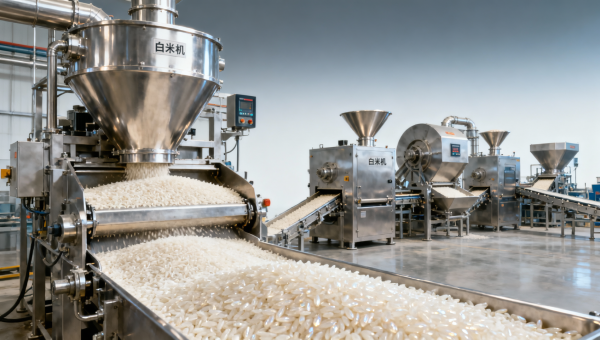
Before committing to rice polisher machine wholesale, buyers should evaluate how the unit integrates with upstream and downstream systems such as a paddy separator machine, paddy husker machine, rice whitener machine, rotary rice grader, and rice color sorter machine. From capacity, polishing consistency, and bran recovery to hygiene, maintenance, and compatibility with a commercial rice mill plant, this guide highlights the key checkpoints that matter for technical teams, operators, and procurement decision-makers.
What should buyers verify first in a rice polisher machine wholesale project?
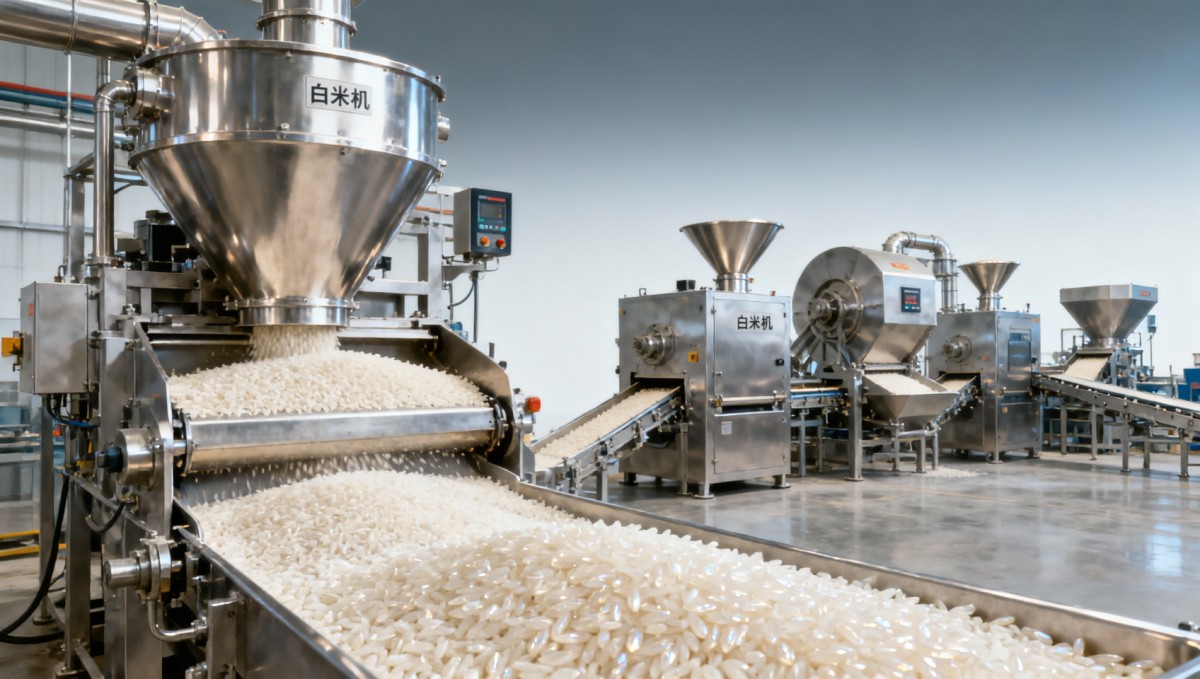
A rice polisher machine is not an isolated purchase. In a commercial rice mill plant, it affects product appearance, broken rice rate, final moisture handling, and downstream sorting stability. For wholesale buyers comparing multiple suppliers, the first checkpoint is whether the machine fits the intended process route rather than whether the quoted unit price looks attractive.
Technical evaluation usually starts with 3 core questions: what throughput range is required, what finish quality is expected, and how the machine will connect to existing conveying, aspiration, and grading equipment. In practical projects, buyers often compare capacity bands such as 2–3 t/h, 4–6 t/h, and 8–12 t/h because these ranges influence motor load, floor layout, and staffing.
Operators and quality teams should also examine polishing consistency over continuous operation. A machine that performs well in a short demonstration may behave differently after 6–8 hours of running if airflow balance, chamber wear, or water mist control are unstable. This is especially important when the target output is premium white rice with strict visual standards.
For procurement and finance teams, wholesale purchasing adds another layer: supplier reliability, spare parts planning, commissioning support, and line compatibility across more than one installation. AgriChem Chronicle regularly emphasizes that industrial buyers in primary processing sectors should treat machinery sourcing as a system-level decision tied to compliance, documentation, and lifecycle cost.
The 5 checks that should happen before any quotation comparison
- Confirm the required final rice appearance, including surface gloss, bran residue tolerance, and acceptable broken grain level for the target market.
- Match the rice polisher machine with upstream paddy husker machine and rice whitener machine output, especially in terms of feed uniformity and moisture condition.
- Check utility conditions such as power supply, compressed air if used, water dosing method, dust extraction, and available floor space.
- Review wear parts, maintenance intervals, and the typical replacement cycle for screens, rollers, abrasives, seals, and bearings.
- Ask for acceptance criteria in writing, including capacity at stated moisture range, polishing result, noise expectations, and commissioning scope.
When these 5 checks are completed early, the comparison between wholesale offers becomes more transparent. It prevents a common mistake in rice processing procurement: evaluating only machine dimensions and motor power while overlooking process performance and service readiness.
How do capacity, polishing quality, and line integration affect machine selection?
Capacity is often the first figure shown on a quotation, but in rice polisher machine wholesale it should never be read without context. Throughput depends on paddy variety, pre-whitening quality, moisture level, operator settings, and the stability of the feed stream. A nominal 5 t/h machine may not deliver the same result if the upstream rice whitener machine sends inconsistent material.
Polishing quality is influenced by chamber design, rotor speed, air movement, friction control, and whether the process uses mist or water-assisted polishing. For many mills, the objective is not maximum shine at any cost. The real objective is repeatable output with controlled temperature rise, acceptable bran recovery behavior, and low stress on kernels over a full production shift.
Integration matters because the rice polisher machine sits between other critical units. If a paddy separator machine underperforms, immature or mixed kernels can enter the process. If the rotary rice grader is not matched to the finished product profile, a good polishing result may still be downgraded by poor size separation. Wholesale buyers should therefore examine the full process chain, not just one machine.
Project managers should also map the line into 4 stages: paddy preparation, husking and separation, whitening and polishing, then grading and color sorting. This simple framework helps engineering teams identify whether the polishing section is a bottleneck, an upgrade point, or part of a complete greenfield rice mill installation.
Practical parameter guide for technical and procurement teams
The table below helps buyers compare common selection factors in rice polisher machine wholesale discussions. These are not universal fixed values, but widely used evaluation ranges for initial screening and supplier clarification.
This comparison shows why a lower-cost machine can become a higher-cost decision if utility demand is unclear or maintenance parts are difficult to source. For commercial buyers, the best fit is usually the machine that maintains line stability with predictable service requirements, not the machine with the most aggressive headline specification.
Where integration failures usually happen
A frequent issue appears when buyers upgrade only the polishing section while retaining an older paddy husker machine and rotary rice grader. The new unit may run, but the total line still suffers from uneven feed, excessive recycle, or inconsistent final grading. In such cases, the polishing machine is blamed for defects created upstream or revealed downstream.
Another weak point is interface engineering. Inlet height, discharge direction, bran and dust handling, inspection access, and vibration isolation should be reviewed before shipment. Even a 7–15 day delay in site preparation can affect project timelines if the machine arrives before ducts, foundations, or cable routes are ready.
Which procurement criteria matter most for wholesale buyers and approval teams?
In rice polisher machine wholesale, procurement should balance technical fit with commercial safeguards. Decision-makers often ask for three things at once: reliable output, predictable budget, and controllable implementation risk. That means the supplier review must go beyond brochures and include documentation quality, spare parts policy, and commissioning accountability.
For business evaluators and finance approvers, lifecycle thinking is essential. A machine with a modest purchase price can still create recurring cost through high wear part consumption, frequent stoppages, or dependency on a single overseas service channel. A more stable platform may reduce unplanned shutdowns over 12–24 months, which is often more important than a small initial price difference.
Quality and safety teams should request clear material contact information, cleaning access details, and dust-control provisions. In feed and grain processing environments, hygiene and housekeeping are not optional. If bran accumulation is hard to remove or inspection points are poorly designed, daily operation becomes slower and risk exposure increases.
ACC’s editorial approach is particularly relevant here because institutional buyers in regulated and technical industries need sourcing intelligence they can defend internally. A strong buying decision is one supported by process logic, realistic service commitments, and transparent technical communication across engineering, procurement, and operations.
A practical wholesale evaluation matrix
Use the following matrix to compare suppliers during shortlisting. It is especially useful when 2–4 vendors appear similar at first glance but differ in execution readiness.
A matrix like this helps teams align technical scoring with commercial approval. It also gives project leaders a clearer record for internal sign-off, especially when the purchase influences throughput commitments, export quality, or factory upgrade milestones.
Common procurement mistakes
- Selecting by polishing chamber size alone without confirming the actual condition of incoming whitened rice.
- Ignoring the maintenance access envelope, then discovering the machine cannot be serviced efficiently after installation.
- Treating spare parts as an afterthought instead of defining opening stock for the first 3–6 months of operation.
- Approving a quotation before clarifying what factory testing, on-site commissioning, and operator training are included.
These mistakes are avoidable when procurement, maintenance, and operations review the same checklist early. In wholesale projects, alignment between departments often saves more money than hard negotiation on the machine price alone.
What about hygiene, compliance, maintenance, and implementation risk?
Although rice polishing is a mechanical process, hygiene and compliance still matter. Contact surfaces should be suitable for food processing use, inspection points should be accessible, and dust management should support safe housekeeping. For multinational buyers or exporters, internal quality systems may require traceable machine documentation, material declarations, and maintenance records.
Maintenance planning should begin before shipment. Teams should define 4 operational routines: per-shift cleaning, weekly inspection, monthly wear review, and quarterly performance verification. This rhythm helps operators identify airflow imbalance, rising vibration, clogged passages, or declining polishing consistency before output quality starts to drift.
Implementation risk is often highest during installation and startup. A realistic schedule for a single machine upgrade may involve 2–4 weeks for final engineering review, shipment time depending on route, then several days for mechanical installation, utility connection, and dry commissioning. Greenfield projects or line-wide integration can take longer, especially if electrical interfaces are still being finalized.
Quality assurance teams should define acceptance in measurable terms. Examples include stable output over a set test run, acceptable finished rice appearance, manageable dust discharge, and no abnormal temperature rise during continuous operation. Without these points in writing, post-delivery disagreements become more likely.
Implementation checklist for project and safety teams
- Verify civil and structural readiness, including foundation support, anchor positions, and maintenance clearance around the machine.
- Confirm electrical load, cable routing, interlock logic, emergency stop provisions, and any required control-panel integration.
- Review aspiration, dust collection, bran flow, and drainage arrangements before equipment arrival.
- Prepare trial material with known quality so startup results can be judged against a realistic production target.
- Train operators on feed stability, adjustment logic, cleaning routine, and the warning signs that usually appear in the first 30 days.
This type of preparation is especially valuable for enterprises expanding capacity or standardizing multiple plants. It turns a rice polisher machine wholesale purchase into a controlled implementation project instead of a reactive equipment installation.
FAQ for technical reviewers, operators, and B2B buyers
The following questions reflect common search intent around rice polisher machine wholesale. They also address the concerns most often raised by engineering, sourcing, and plant management teams during project evaluation.
How do I know whether one rice polisher machine is enough for my line?
Start with actual required throughput, not nominal milling ambition. If the line must reliably process within a 4–6 t/h band and the upstream rice whitener machine is stable, one properly matched polisher may be enough. If production is expected to expand, or if the plant runs multiple rice grades with different settings, two machines can improve flexibility, maintenance scheduling, and risk control.
Which upstream and downstream machines should be reviewed together?
At minimum, review the paddy separator machine, paddy husker machine, rice whitener machine, rotary rice grader, and rice color sorter machine as one linked process. The polishing result depends on feed quality from upstream, while the market value of the final product depends on how effectively grading and color sorting handle the polished rice downstream.
What delivery and support questions should wholesale buyers ask?
Ask for the normal delivery window, the list of included accessories, spare parts lead time, and the scope of commissioning support. In many cross-border equipment projects, documentation readiness and installation preparation can influence timing as much as manufacturing itself. Buyers should also clarify whether remote support, startup supervision, and operator training are available.
What are the most overlooked cost factors?
The hidden costs are usually not the machine frame. They are utility adaptation, dust handling, wear parts consumption, downtime during adjustment, and late design changes to interfaces. A lower quotation can become more expensive if the machine requires frequent tuning or if spare parts take too long to arrive during peak production periods.
Why consult AgriChem Chronicle before shortlisting suppliers?
AgriChem Chronicle serves industrial readers who do not buy equipment casually. Our audience includes agronomy leaders, processing operators, procurement directors, and technical reviewers who need rigorous, decision-ready information. That perspective is valuable when assessing rice polisher machine wholesale options because the purchase sits at the intersection of machinery performance, supply chain transparency, and operational risk.
ACC’s strength lies in translating technical language into procurement logic without losing engineering depth. For buyers comparing machinery across agricultural and primary processing sectors, that means clearer evaluation of line integration, more disciplined vendor questioning, and more realistic expectations around implementation, maintenance, and documentation.
If you are preparing a new commercial rice mill plant, upgrading a polishing section, or validating supplier claims, we can help frame the right questions. Typical consultation topics include capacity confirmation, upstream and downstream equipment matching, delivery timeline review, spare parts planning, compliance expectations, and quotation comparison from a system perspective.
Contact us if you need support with product selection, technical parameter review, project scoping, certification-related documentation checkpoints, customized line configuration discussion, or quotation communication for a rice polisher machine wholesale project. This is especially useful when internal teams need one decision framework that works for engineering, procurement, finance, and plant operations at the same time.
Related Intelligence
- Milling MachineryHow to avoid grain destoner machine issues?Grain destoner machine issues explained: learn how gravity separator grain, grain pre cleaner machine, and rotary drum sieve grain setup affect performance, reduce downtime, and improve line efficiency.
- Milling MachineryWho should use a gravity separator grain?Gravity separator grain solutions suit feed mills, seed and grain processors needing cleaner output with feed grading sieve, grain destoner machine, and enclosed belt conveyor integration.
- Milling MachineryWhat Does a Commercial Rice Mill Plant Cost in 2026?Commercial rice mill plant cost in 2026: compare paddy separator machine, paddy husker machine, rice color sorter machine, rotary rice grader, and rice whitener machine options.
The Morning Broadsheet
Daily chemical briefings, market shifts, and peer-reviewed summaries delivered to your terminal.
