
Parboiled rice mill plant quality problems often begin before steaming
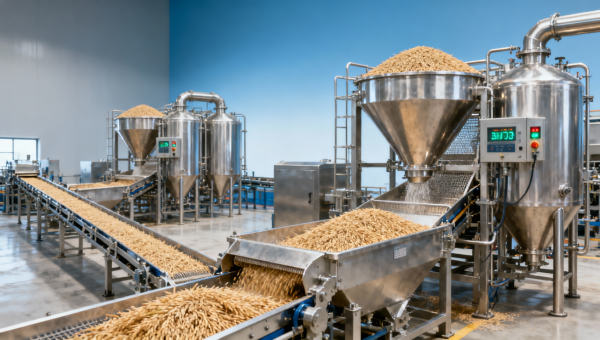
In a parboiled rice mill plant, quality problems often start long before steaming—during paddy selection, cleaning, soaking control, and equipment calibration. For buyers and operators comparing coffee processing machinery, wheat flour milling plant systems, or commercial flour mill machinery, the lesson is the same: upstream precision determines downstream performance. This article examines where defects begin, how they spread through production, and what technical teams should verify before losses become costly.
For B2B buyers, mill operators, quality teams, distributors, and investment decision-makers, this is not only a processing issue but also a procurement and risk-management issue. A parboiled rice mill plant can appear well configured on paper, yet still produce high broken rates, poor color, uneven moisture, and reduced head rice yield if front-end controls are weak. In most cases, losses of 1%–3% in yield or repeated rework cycles are not caused by the steamer alone, but by upstream inconsistency.
That is why technical evaluation must start before thermal treatment. Paddy condition, impurity load, soaking water discipline, and machine calibration all influence the final economics of a rice processing line. The same logic applies across primary processing sectors: stable raw material input and measurable process control reduce rejection, improve throughput, and strengthen procurement confidence.
Where Quality Drift Begins in a Parboiled Rice Mill Plant
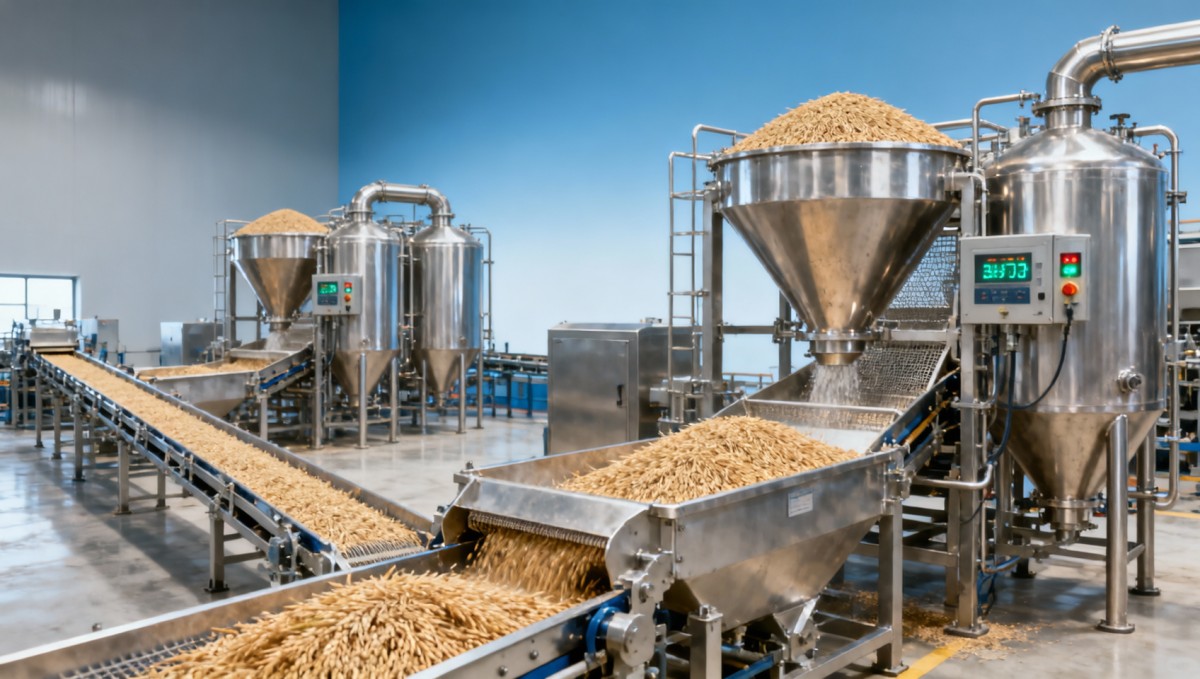
In a parboiled rice mill plant, the earliest quality drift usually begins with paddy variability. Mixed varieties, uneven maturity, excess field moisture, and poor storage history create unstable processing behavior. When incoming paddy moisture differs by more than 2%–3% between lots, soaking response becomes inconsistent, and steaming no longer acts uniformly across the batch.
Impurities are the second major trigger. Stones, straw fragments, metal particles, dust, and immature grains may seem like cleaning-stage issues only, but they also affect soaking water quality, equipment wear, and husking efficiency. In practical operation, a dirty intake stream can raise maintenance frequency by 20%–30% and increase unscheduled stoppages in downstream sections.
A third risk appears in process assumptions. Some operators focus heavily on steaming pressure or dryer temperature while underestimating pre-steam soaking uniformity. However, if water temperature, soak duration, and grain hydration are poorly matched, the steam stage simply amplifies existing defects. The result may include white belly retention, kernel fissuring, patchy color, or high breakage during milling.
Typical Upstream Defect Sources
Before reviewing equipment specifications, technical teams should map where defects enter the line. The following checkpoints are often more decisive than nominal plant capacity alone.
- Paddy variety mixing: different grain sizes and gelatinization behavior reduce process consistency.
- Moisture imbalance: intake lots above 14%–15% or significantly below target may react differently during soaking.
- Insufficient pre-cleaning: high impurity load accelerates wear on cleaners, de-stoners, and rubber rollers.
- Sensor or valve inaccuracy: even a small deviation in water temperature or residence time can affect product uniformity.
These problems are rarely isolated. One weak point in intake control often combines with a second weakness in equipment setting. That combination explains why two plants with similar nameplate capacities of 3 tons/hour to 10 tons/hour can produce visibly different finished rice quality.
Raw Material Control, Cleaning Discipline, and Soaking Stability
Raw material control should be treated as a measurable system, not a visual judgment. A procurement team may approve paddy based on price and availability, but operators and quality managers should also define acceptance ranges for moisture, foreign matter, damaged grain, and varietal purity. Even a low-cost lot can become expensive if it causes a 2-point rise in broken rice or extra drying time.
Cleaning discipline is equally critical. In a parboiled rice mill plant, pre-cleaning is not just about line protection; it prepares grain for consistent hydration. If de-stoning is weak or aspiration is poorly balanced, fine contaminants can interfere with soaking water clarity and reduce heat transfer predictability. In larger plants, intake cleaning should be reviewed every shift, not only during maintenance windows.
Soaking stability depends on three variables working together: water temperature, residence time, and grain condition. Typical operating windows vary by paddy type, but many facilities work within 60°C–75°C for controlled hydration over several hours. If water temperature fluctuates excessively or tanks are overloaded, moisture penetration becomes uneven, and the steam stage cannot fully correct that imbalance.
What Buyers and Operators Should Verify First
The table below outlines practical checkpoints that procurement teams, technical evaluators, and line managers should review before focusing on output claims alone.
The key conclusion is simple: stable soaking starts with stable intake. Plants that maintain lot discipline and measurable cleaning performance are usually better positioned to achieve consistent color, reduced breakage, and lower reprocessing cost.
Operational Warning Signs
- Different soak tanks produce noticeably different grain color under the same steam setting.
- Finished rice quality drops after supplier changes, even when the machine line remains unchanged.
- Roller wear and cleaner maintenance rise faster than expected within 4–8 weeks.
- Operators adjust steam settings repeatedly to compensate for a front-end problem.
When these symptoms appear together, the most effective response is usually not more aggressive steaming, but a structured review of intake grading, cleaning efficiency, and soak control repeatability.
Equipment Calibration Problems That Spread Through the Entire Line
Even when raw materials are acceptable, poor calibration can cause a chain reaction across the plant. Sensors that drift by 1°C–2°C, valves that open inconsistently, misaligned conveyors, or worn rollers can quietly distort process stability. In a parboiled rice mill plant, small calibration errors often appear first as inconsistency, not sudden failure.
This is especially important for buyers comparing parboiled rice systems with coffee processing machinery or commercial flour mill machinery. Across all these sectors, the principle is the same: mechanical capacity is not equal to process accuracy. A line rated for a high output may still underperform if controls, feeders, and transfer points are not synchronized within practical tolerances.
Calibration errors can also distort performance reporting. A plant may believe it is running at target throughput, yet real yield loss emerges later in sorting, polishing, or packaging. Because these losses are dispersed, finance teams may see reduced margin before technical staff can identify the exact source.
High-Impact Calibration Areas
The following areas deserve routine verification during commissioning, preventive maintenance, and supplier audits.
For technical teams, the lesson is that calibration should not be documented once and forgotten. A practical review cycle every 2–4 weeks for high-wear points, with tighter weekly checks during seasonal paddy changes, can prevent drift from becoming a quality cost.
Procurement Implication
When evaluating suppliers, ask not only about plant capacity, power load, or automation level, but also about calibration access, sensor replacement intervals, spare parts lead time, and operator training depth. These are the details that determine whether a machine line remains stable after 6 months, not just on day 1.
How Technical Teams Should Audit Risk Before Purchase or Commissioning
A sound audit framework helps both new buyers and existing plant managers reduce uncertainty. In many projects, risk is created when equipment review, raw material planning, and quality targets are handled by separate teams with limited cross-checking. A better approach is to align procurement, production, QC, and maintenance before the final acceptance stage.
For a parboiled rice mill plant, pre-purchase or pre-commissioning review should include at least four dimensions: raw material fit, process control, maintainability, and output economics. This is particularly important for distributors, industrial users, and financial approvers who may not operate the line directly but still carry exposure to downtime, waste, and delayed return on investment.
Five-Step Audit Framework
- Define incoming paddy standards, including moisture range, impurity threshold, and lot segregation protocol.
- Verify process windows for cleaning, soaking, steaming, drying, and milling under realistic production loads.
- Review calibration points, spare parts list, and preventive maintenance frequency for the first 12 months.
- Run acceptance tests using representative paddy, not only ideal material supplied for demonstration.
- Measure business outcomes such as head rice yield, reject level, energy stability, and operator intervention rate.
This framework is also useful when comparing adjacent processing sectors. Whether evaluating wheat flour milling plant systems or coffee processing machinery, buyers should examine how the supplier manages upstream variability. A machine line with weaker claimed output but stronger process control may generate better long-term economics.
Decision Factors by Stakeholder Group
Different stakeholders evaluate the same plant from different angles. Aligning these priorities early can shorten approval cycles by 1–3 weeks and reduce post-installation disputes.
The practical conclusion is that technical due diligence should translate directly into commercial clarity. Better audit structure reduces hidden costs that often surface only after the plant begins continuous production.
Common Misjudgments, Preventive Practices, and Long-Term Value
One common misjudgment is assuming that poor finished rice appearance is mainly a steaming defect. In reality, by the time the batch reaches steam treatment, many quality outcomes are already set in motion. Another mistake is over-prioritizing upfront machine price while underestimating spare parts logistics, control stability, and training. A lower initial quote can become more expensive within 6–12 months if yield loss and maintenance burden rise.
Preventive practice begins with standard operating discipline. Intake testing, pre-cleaner inspection, soak tank verification, and calibration logging should be treated as routine production controls rather than corrective actions. In medium-scale operations, daily checks on moisture readings and weekly checks on wear parts often produce more value than occasional large interventions.
FAQ for Buyers and Plant Teams
How do I know if a parboiled rice mill plant problem starts before steaming?
If soak tanks behave differently under the same settings, if color varies between batches, or if broken rice increases after supplier changes, the issue is likely upstream. Review paddy uniformity, impurity load, and calibration records before changing steam parameters.
What intake checks should be mandatory during procurement?
At minimum, define checks for moisture, foreign matter, lot identity, and visible storage damage. Many facilities also add sampling frequency by truck or batch and require documentation before material enters the soaking stage.
How often should calibration be reviewed?
High-impact points such as temperature sensors, flow controls, and roller settings should be checked weekly or biweekly in active production. After major raw material changes or maintenance events, an immediate verification cycle is recommended.
Why is this relevant to coffee and flour processing equipment buyers?
Because upstream precision governs downstream consistency in all primary processing lines. Whether handling paddy, coffee cherries, or wheat, defects introduced early are costlier to correct later.
For companies seeking reliable processing outcomes, the strongest plants are not always the ones with the most aggressive performance claims. They are the ones built around stable input control, verifiable process discipline, and maintainable engineering. If your team is assessing a parboiled rice mill plant, comparing feed and grain processing systems, or reviewing adjacent machinery categories for industrial use, a structured upstream audit will protect both quality and capital.
AgriChem Chronicle continues to track how equipment selection, process design, and operational discipline shape performance across primary industries. To evaluate plant configuration, discuss technical screening points, or obtain a more tailored processing assessment, contact us to explore a customized solution and learn more about practical risk-control strategies before losses become embedded in production.
Related Intelligence
- Milling MachineryHow to Choose a Horizontal Ribbon Blender for FeedHorizontal ribbon blender feed buying guide: compare vertical feed mixer machine options, animal feed mixers wholesale offers, and line fit for poultry, cattle, and floating fish feed plant projects.
- Milling MachineryWhy use a rotary drum sieve grain line?Why use a rotary drum sieve grain line? Discover how rotary drum sieve grain, grain pre cleaner machine, gravity separator grain, and magnetic separator for feed improve efficiency and quality.
- Milling MachineryHow to avoid grain destoner machine issues?Grain destoner machine issues explained: learn how gravity separator grain, grain pre cleaner machine, and rotary drum sieve grain setup affect performance, reduce downtime, and improve line efficiency.
The Morning Broadsheet
Daily chemical briefings, market shifts, and peer-reviewed summaries delivered to your terminal.
