

The Authority in Global Agricultural Chemistry & Bio-Resources
Coffee processing machinery that reduces bean breakage
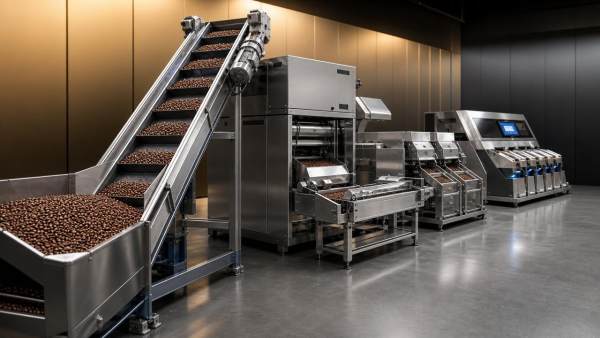
For quality control and safety managers, selecting coffee processing machinery is no longer just about throughput—it is about preserving bean integrity, minimizing breakage, and maintaining consistent product standards across every batch. In commercial coffee operations, even a modest rise in cracked or chipped beans can affect roasting uniformity, downgrade cupping scores, increase dust generation, and complicate downstream inspection. The right coffee processing machinery supports a more stable process by combining gentle handling, controlled transfer points, accurate sorting, and predictable mechanical performance. This article explores how different operating scenarios influence equipment selection, what technical indicators matter most when bean breakage is the main concern, and how to match machinery design with quality and compliance goals.
When low breakage matters most: identifying the real processing scenario
Not every facility faces the same breakage risk. A dry mill handling high volumes of parchment coffee has very different stress points from a specialty processor managing micro-lots, or an integrated plant running cleaning, hulling, grading, and packing on one line. Choosing coffee processing machinery without first defining the operating scenario often leads to the wrong balance of speed, pressure, and handling geometry.
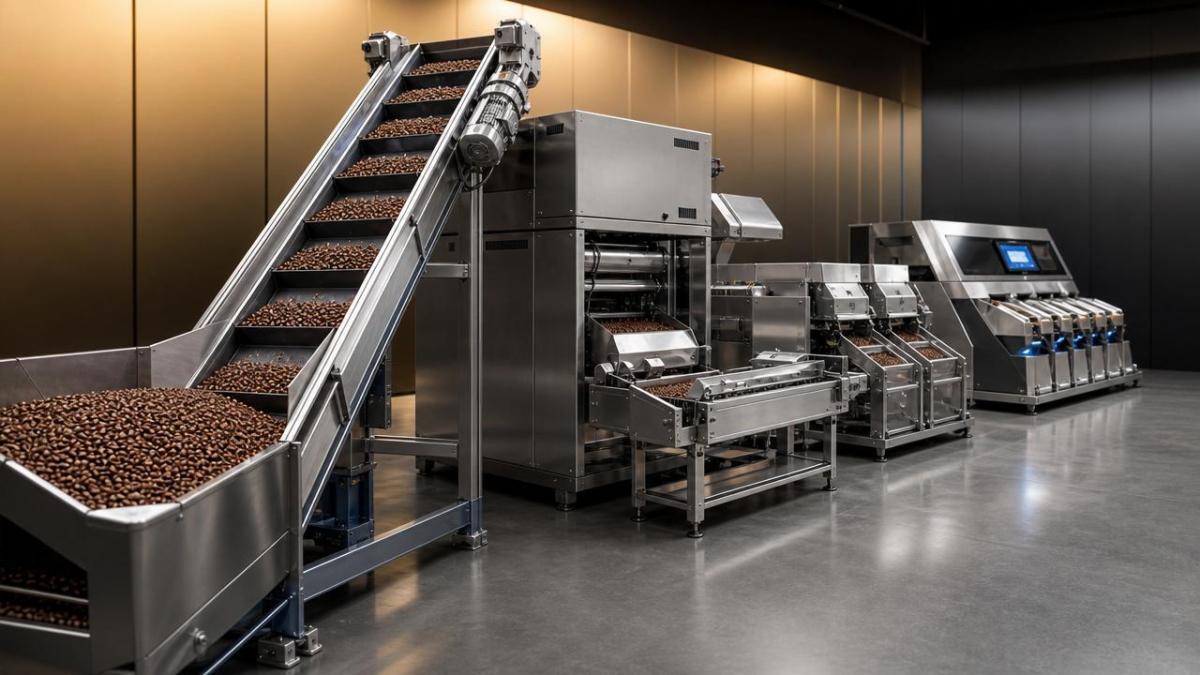
Bean damage is usually not caused by one machine alone. It often results from cumulative impacts: aggressive feeding, poorly aligned hulling units, excessive drop heights, overspeed conveyors, or sorting systems that cannot distinguish damaged beans early enough. In this sense, coffee processing machinery should be evaluated as a connected system rather than a set of isolated machines. The best outcomes come from matching machine configuration to bean condition, moisture level, target grade, and production rhythm.
Scenario 1: Dry milling lines where throughput can quietly increase bean breakage
In large dry milling environments, the pressure to maintain hourly output can mask gradual quality loss. Hulling, polishing, aspiration, and grading stages may each operate within acceptable limits, yet the combined mechanical load can still create a measurable rise in broken beans. Here, coffee processing machinery should prioritize stable feed control, rotor balance, and adjustable contact surfaces over simple maximum capacity claims.
The core judgment point in this scenario is whether the machine protects bean integrity at sustained production speeds. Equipment with variable-speed drives, cushioned transfer chutes, and calibrated hulling pressure helps reduce shock loads. Another useful indicator is dust generation: if dust output rises alongside throughput, the machinery may be applying too much friction or impact. For dry mills, low-breakage coffee processing machinery is defined by consistency over long runs, not just headline tonnage.
Scenario 2: Specialty and premium lots where appearance standards are non-negotiable
Specialty coffee processing places a higher value on visual uniformity, defect control, and traceability. In these operations, one broken bean is not merely a yield issue; it may weaken lot presentation, alter roast response, or affect customer acceptance. The most suitable coffee processing machinery for premium lots is usually designed for gentle flow, smaller batch control, and precise sorting rather than high compression and continuous heavy loading.
Important judgment points include batch changeover cleanliness, ease of parameter adjustment, and the ability to handle beans of varying density and size without excessive force. Optical sorters, destoners, and graders should work in sequence with low-impact elevators or belt conveyors. In specialty settings, the value of coffee processing machinery is closely linked to defect prevention, cleaner inspection records, and reduced rework between lots.
Scenario 3: Integrated processing plants where transfer design determines damage rates
In integrated facilities, breakage often happens between machines rather than inside them. Beans may leave a cleaner in good condition, then suffer damage in vertical lifting, chute impact, or accumulation bins before entering the next stage. For this scenario, evaluating coffee processing machinery means paying attention to layout engineering, transfer elevation, buffering methods, and line synchronization.
The key question is whether the overall process flow is bean-friendly. Bucket elevators with poor discharge angles, metal chutes without liners, and abrupt conveyor transitions can all raise breakage rates. Integrated systems perform better when transfer points are shortened, fall distances are reduced, and machine speeds are electronically coordinated. Here, advanced coffee processing machinery contributes to quality not only through its internal mechanics, but through how it connects each processing stage into a controlled material path.
How application needs differ across coffee processing environments
Because operating conditions vary widely, equipment selection should compare damage risk, inspection requirements, and process flexibility side by side. The table below highlights practical differences that affect the choice of coffee processing machinery.
What to prioritize when matching coffee processing machinery to low-breakage goals
Once the operating scenario is clear, selection should move beyond generic machine descriptions. The following factors are especially useful when comparing coffee processing machinery for bean protection and process reliability:
- Feed uniformity: Stable infeed reduces surges that overload hullers, sorters, and conveyors.
- Adjustable mechanical pressure: Machines should allow tuning for bean variety, moisture, and processing stage.
- Transfer protection: Liners, curved chutes, and lower drop heights often reduce hidden damage significantly.
- Inspection compatibility: Good coffee processing machinery supports downstream optical or manual inspection by lowering dust and defect carryover.
- Cleanability and maintenance access: Worn contact parts can sharply increase breakage, so easy inspection matters.
- Control integration: Variable-frequency drives and sensors help maintain repeatable conditions between batches.
These priorities are relevant across the broader industrial landscape as well. In comprehensive processing sectors, equipment performance is increasingly judged not only by output but by how well it protects material value, reduces waste, and supports quality documentation. That is why modern coffee processing machinery should be assessed through both mechanical engineering and operational risk control.
Common mistakes that lead to preventable bean damage
A common misjudgment is assuming that if final breakage rates are acceptable on average, the machinery is suitable. In reality, average results can hide sharp spikes during startup, lot changes, or peak loading. Another mistake is focusing only on the main hulling or grading machine while ignoring the supporting path around it. Many breakage problems come from basic issues such as inconsistent feeder output, worn paddles, improper belt speed, or metal-to-bean impacts at transfer points.
It is also easy to overestimate the value of automation if the settings are not calibrated to the actual bean profile. Automated coffee processing machinery can reduce operator variability, but poor parameter selection may still produce cracking, scuffing, or unnecessary recirculation. Finally, some facilities overlook the role of preventive maintenance. A machine that once handled beans gently can become a source of repeated damage when liners harden, clearances shift, or rotating elements lose balance.
A practical next step for evaluating coffee processing machinery
A useful starting point is to map the full bean journey from intake to final packing and identify every location where impact, compression, or uncontrolled acceleration may occur. Then compare those points against actual defect findings: broken beans, edge chips, dust levels, sorter rejects, and lot inconsistency. This approach makes the selection of coffee processing machinery more evidence-based and less dependent on broad performance claims.
Short trials with representative bean types can provide valuable insight, especially when testing multiple feed rates and moisture conditions. Record not just throughput, but also breakage percentage, dust generation, maintenance behavior, and inspection outcomes after each stage. In many cases, the best solution is not a single machine replacement but a better-matched process combination: gentler conveying, smarter line control, and equipment settings aligned with product grade.
For operations aiming to improve quality stability, reduce rework, and strengthen process assurance, investing in the right coffee processing machinery is a strategic move. A system designed to reduce bean breakage does more than protect appearance—it supports more reliable grading, safer housekeeping conditions, and stronger confidence in every processed lot.
Related Intelligence
- Milling Machinery5 Milling Machinery Firms Approved for Belt and Road Smart Farm Machinery Cloud Platform5 milling machinery firms approved for Belt and Road Smart Farm Machinery Cloud Platform — enabling multilingual remote diagnostics, cross-border spare parts ordering & national API integration.
- Milling MachineryTea leaf rolling machine pressure settings and leaf appearanceTea leaf rolling machine pressure settings directly shape twist, appearance, and quality. Learn how to balance pressure for cleaner leaves, less breakage, and more consistent tea processing results.
- Milling MachineryTea processing machines wholesale and the spare parts questionTea processing machines wholesale buyers now focus on spare parts, uptime, and lifecycle support. Learn how to compare suppliers, reduce downtime risk, and protect tea quality.
The Morning Broadsheet
Daily chemical briefings, market shifts, and peer-reviewed summaries delivered to your terminal.
