

The Authority in Global Agricultural Chemistry & Bio-Resources
Shrimp feed pellet machine output drops after startup
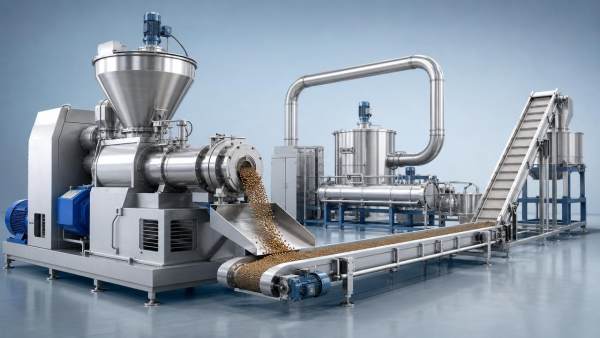
When shrimp feed pellet machine output drops after startup, project managers face more than a temporary slowdown—they risk unstable production schedules, rising operating costs, and downstream quality issues. In today’s feed and aquaculture processing environment, early-stage capacity loss is also a signal of tighter tolerance requirements, more variable raw materials, and higher expectations for energy efficiency and compliance. Understanding why a shrimp feed pellet machine underperforms in the first minutes or hours of operation is therefore not just a maintenance issue; it is a practical benchmark for process stability, commissioning quality, and long-term plant reliability.
Early output decline in shrimp feed pellet machine systems is becoming a more visible operating signal
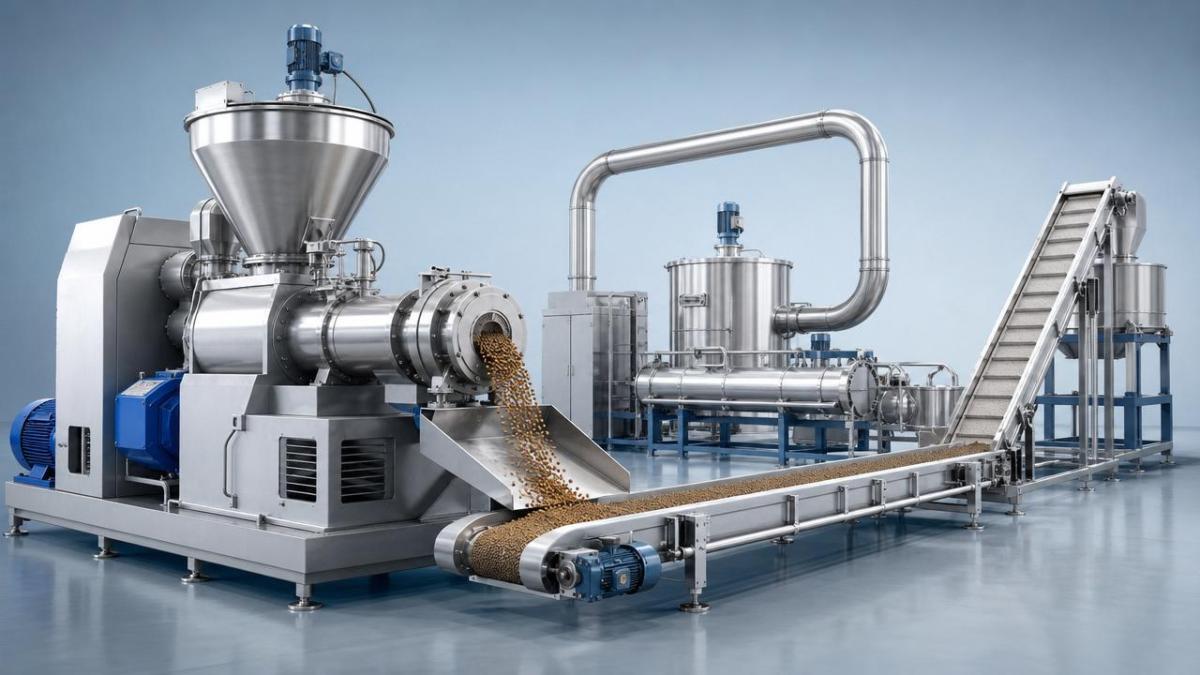
Across aquaculture and feed processing lines, startup instability is attracting more attention because modern formulations are less forgiving than before. A shrimp feed pellet machine is expected to deliver consistent throughput shortly after heating, conditioning, and die engagement begin. If production falls after an initially normal startup, the issue often points to a mismatch between material behavior, machine settings, and mechanical condition rather than a single isolated fault.
This shift matters because shrimp feed pellet machine performance is now closely linked to broader industrial targets: lower downtime, traceable quality control, reduced waste, and stable pellet water resistance. In many facilities, output drop after startup is no longer treated as a minor nuisance. It is increasingly interpreted as an early warning that the line may be operating outside its most efficient process window.
The main trend behind startup output loss is tighter coupling between raw material behavior and machine response
A shrimp feed pellet machine does not process formula, steam, and mechanical force independently. During startup, all three must stabilize together. As feed formulations become more protein-dense, include finer grinding profiles, or use variable marine and plant ingredients, the startup phase becomes more sensitive. Output may briefly appear normal, then fall as temperature equalizes, internal friction rises, or conditioned mash no longer flows through the die at the expected rate.
Another important trend is the increased use of energy-saving operating strategies. Lower steam use, leaner lubrication intervals, and narrower motor loading targets can improve efficiency, but they can also reduce tolerance for poor preconditioning or die wear. In this context, a shrimp feed pellet machine that loses output after startup often reflects a system optimized too close to the edge without enough allowance for real raw material variation.
Most common drivers behind output drop after startup
What the output pattern usually reveals about the real fault source
The timing of the capacity drop is often more useful than the drop itself. If a shrimp feed pellet machine loses output within the first 5 to 10 minutes, the cause is frequently linked to die condition, poor warm-up practice, or unstable feeding. If the decline appears after 20 to 40 minutes, the investigation should focus more on thermal balance, lubrication condition, steam quality, or formula response under sustained compression.
Output loss accompanied by rising amperage suggests that the shrimp feed pellet machine is working harder against resistance, commonly from over-compressed mash, blocked die holes, or excess moisture migration. By contrast, lower output with falling amperage may indicate roller slip, feed starvation, conditioner inconsistency, or poor material distribution across the die face. These distinctions help narrow troubleshooting quickly and reduce unnecessary disassembly.
- High temperature + high load + lower output: likely die resistance or lubrication drag.
- Normal temperature + unstable load + lower output: likely feeder inconsistency or roller setting issues.
- More fines + lower output: likely conditioning imbalance, die wear, or poor formulation flowability.
- Output falls after formula switch: likely mismatch between recipe properties and current shrimp feed pellet machine settings.
Why this matters beyond the pellet mill itself
A shrimp feed pellet machine with declining startup output affects more than hourly tonnage. It changes upstream grinding and batching rhythm, creates steam demand fluctuations, and disrupts dryer or cooler loading consistency. In shrimp feed production, this can alter pellet density, durability, and water stability, all of which directly influence feed performance in culture systems.
The financial effect is also broader than many lines initially show. Short startup runs with repeated adjustment cycles increase energy use per ton, create more rework material, and reduce predictability in shift planning. For operations under stricter documentation expectations, recurring shrimp feed pellet machine instability can also complicate deviation records, maintenance traceability, and continuous improvement review.
Operational areas most affected by startup output decline
- Process control: harder to keep moisture, temperature, and throughput in target range.
- Product quality: greater risk of pellet breakage, fines generation, and inconsistent sinking behavior.
- Maintenance planning: emergency intervention replaces predictive service routines.
- Cost structure: higher power use, lower effective capacity, and more startup losses.
The most useful checkpoints now center on measurable stability, not just visual inspection
The traditional response to a weak shrimp feed pellet machine is often to inspect the die, adjust the rollers, and restart. Those steps still matter, but current best practice is more data-led. Facilities increasingly benefit from checking whether output loss correlates with feeder speed, conditioner retention time, steam pressure stability, motor load trend, and bearing temperature rise. This provides a more reliable picture than judging the machine by noise or pellet appearance alone.
The following focus points help determine whether the problem is mechanical, process-driven, or a combination of both:
- Confirm whether the shrimp feed pellet machine die was properly preheated and purged before production feed entered.
- Measure conditioned mash moisture and temperature at startup and again after steady running begins.
- Check roller wear pattern and verify that contact pressure remains stable under load, not only when stopped.
- Review lubrication delivery intervals, grease quality, and bearing temperature trend during the first hour.
- Compare actual raw material particle size and fat inclusion against the parameter set used for the shrimp feed pellet machine.
- Observe whether output loss appears during every startup or only with certain recipes, climates, or operators.
A structured response plan reduces trial-and-error and shortens recovery time
Because startup output loss often comes from multiple interacting conditions, the response should be sequenced. Random changes to steam, feed rate, and roller gap can hide the original problem. A better approach is to move from low-disruption verification to deeper mechanical checks, recording the effect of each adjustment on the shrimp feed pellet machine output curve.
The next practical move is to standardize startup learning into a repeatable operating window
The most effective long-term answer is not a one-time adjustment but a startup baseline for each shrimp feed pellet machine and each major feed category. Record the first 60 minutes of stable runs, including die temperature, conditioning targets, feeder setting, amperage range, and acceptable output ramp. That reference makes future deviations easier to detect and faster to correct.
If output drops after startup repeatedly, convert each event into a short root-cause review rather than relying on operator memory. Over time, this reveals whether the shrimp feed pellet machine is limited by die selection, maintenance discipline, process control, or formulation variability. In a production environment where consistency, efficiency, and compliance increasingly move together, that level of operational discipline is what restores output and protects the full pellet line from recurring instability.
For the next step, build a startup checklist tied to measurable thresholds: preheat confirmation, conditioning range, roller verification, lubrication status, and a 15-minute output trend review. A shrimp feed pellet machine that is monitored this way becomes easier to stabilize, easier to troubleshoot, and far less likely to suffer hidden losses after startup.
Related Intelligence
- Commercial Feed PelletSingapore’s Aquaculture Tech FastTrack Extends to Commercial Feed PelletsAquaculture Tech FastTrack now covers Commercial Feed Pellets — unlock 72-hour Singapore clearance with CNAS test reports. Key for China-Singapore feed exporters, labs & importers.
- Commercial Feed PelletFeed & Grain processing technology that cuts raw material lossFeed & Grain processing technology that cuts raw material loss helps processors improve yield, moisture control, traceability, and ROI—see which systems deliver measurable savings.
- Commercial Feed PelletSinking fish feed machine and the cost of poor water stabilitySinking fish feed machine selection affects feed waste, water quality, and ROI. Learn how better pellet stability cuts hidden aquaculture costs and improves long-term performance.
The Morning Broadsheet
Daily chemical briefings, market shifts, and peer-reviewed summaries delivered to your terminal.
