
Why shrimp feed pellet machine output drops after the first runs
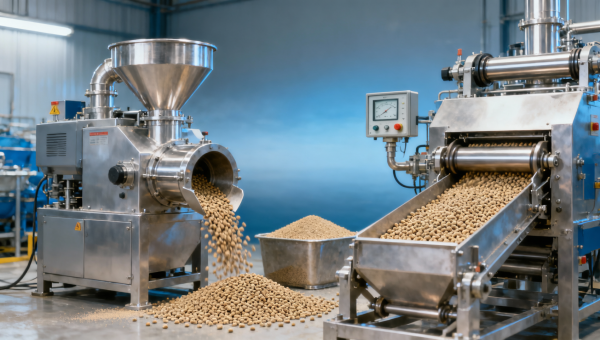
Many operators notice that a shrimp feed pellet machine delivers strong output during the first runs, then gradually slows down or becomes unstable. For aquaculture teams comparing a sinking fish feed machine or a floating fish feed extruder, understanding the real causes behind output loss is essential for cost control, feed quality, and equipment selection. This article examines the key technical, material, and maintenance factors affecting long-term pellet production efficiency.
Why does shrimp feed pellet machine output fall after the first production cycles?
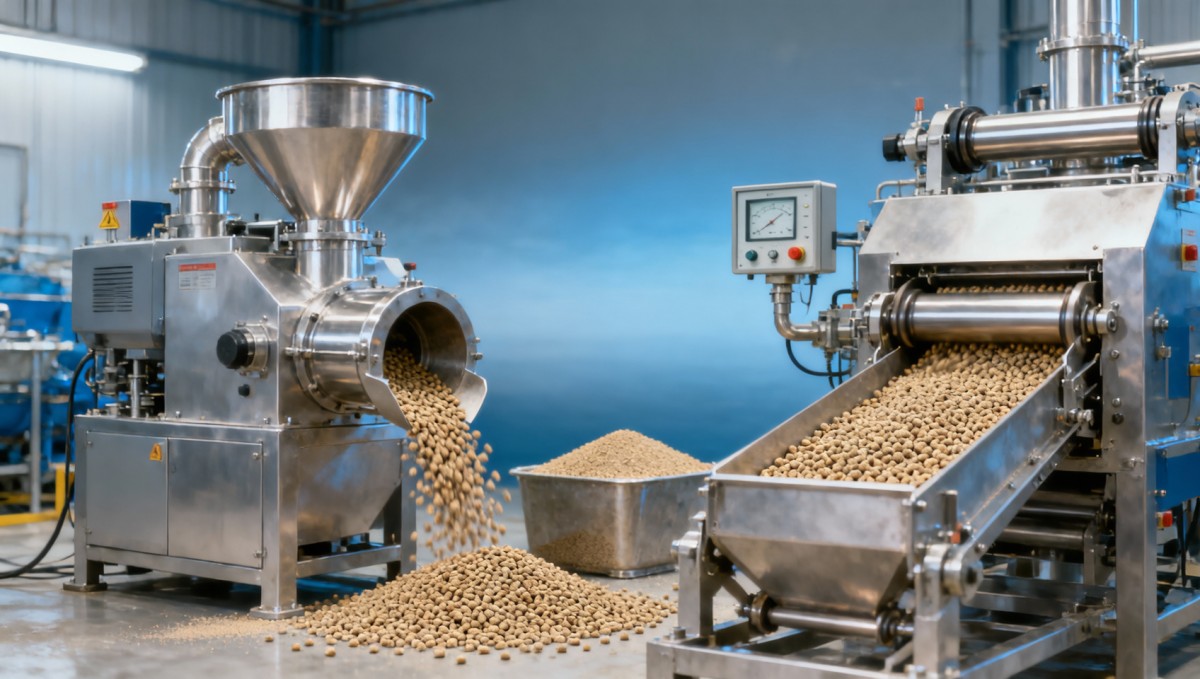
A shrimp feed pellet machine often performs well during the first 2–5 runs because components are clean, die holes are unobstructed, and raw materials are still close to the trial formula. As production continues, output may decline due to moisture imbalance, uneven grinding, rising friction, worn rollers, or partial die blockage. In commercial aquaculture and feed processing, these changes usually appear gradually rather than as a sudden machine failure.
For operators, the problem is not only lower tonnage per hour. Reduced output usually comes with higher energy use, wider pellet size variation, unstable density, and more fines after cooling. For procurement teams and project managers, this means the real question is whether the machine, formula, and operating method are matched over continuous runs of 4–8 hours, not just during a short commissioning test.
In shrimp feed production, process stability matters more than headline capacity. A machine rated for a certain output under ideal conditions may deliver less in daily use if raw materials shift from one batch to another or if the operator changes moisture, steam, binder ratio, or screen size without recalibration. This is why technical evaluation should focus on sustained throughput, pellet durability, and maintenance interval together.
From an industry intelligence perspective, AgriChem Chronicle consistently sees that output decline is rarely caused by one factor alone. It usually results from a chain reaction across formulation, mechanical wear, operator settings, and preventive maintenance discipline. That cross-functional view is especially valuable for buyers comparing a shrimp feed pellet machine with a sinking fish feed machine or a floating fish feed extruder for mixed-species feed lines.
The most common early warning signals
Before output visibly drops, plants often notice several warning signs over 3 stages. First comes a slight increase in amperage or power draw. Second, operators see pellets leaving the die less uniformly. Third, the line begins to require more frequent cleaning or restart intervals. If these signals are ignored for 7–14 days of continuous production, the decline usually becomes more expensive to reverse.
- Output per hour starts falling while motor load increases, indicating growing resistance inside the die and roller zone.
- Pellet length and hardness become inconsistent, suggesting unstable feed mash conditioning or uneven compression.
- More powder, crumbs, or broken pellets appear after drying or cooling, often linked to poor starch gelatinization or binder performance.
- Machine temperature rises faster than usual during runs of 2–4 hours, which may indicate lubrication or friction issues.
These symptoms matter to quality control and safety teams because a line that runs hotter and less evenly may also produce wider moisture variation. That can affect shelf life, water stability, and feed conversion performance in shrimp farming environments where pellet behavior in water is critical.
Which technical and material factors reduce long-term pellet output?
The root causes generally fall into 3 categories: raw material variability, mechanical condition, and process settings. In shrimp feed applications, raw materials such as fish meal, soybean meal, wheat flour, squid meal, oil, and binders can react differently under pressure. Even a moisture shift of 1%–2% or a change in particle size distribution can alter die resistance and reduce stable output.
Mechanical factors are equally important. The die compression ratio, die hole finish, roller gap, bearing condition, cutter setting, and feeder consistency directly affect throughput. During initial runs, new surfaces may allow smooth flow, but after several production days, residue, wear, or poor lubrication can narrow the effective passage area. The machine then needs more force to push the same volume of mash.
Process settings often amplify these problems. If the feeder supplies too much material, the chamber can choke. If it supplies too little, the rollers fail to maintain stable pressure. In some plants, operators increase pressure to chase pellet hardness, but this can lower output and accelerate die wear. For a sinking fish feed machine, this balance is especially sensitive because density targets are tighter than in many floating feed processes.
When evaluating equipment for procurement, it is useful to distinguish between output decline caused by operation and output decline caused by machine design. A well-designed shrimp feed pellet machine should tolerate normal formula changes within a practical window, but no machine can fully compensate for badly prepared mash or neglected maintenance.
Key factors and their production impact
The table below helps operators, engineers, and buyers identify where sustained output losses usually begin and what the practical impact looks like in a feed mill or aquaculture support plant.
For technical evaluation personnel, the practical lesson is simple: check the entire process chain. A pellet machine does not work in isolation. Grinding, batching, mixing, conditioning, pelletizing, drying, and cooling all influence final throughput. This is also why distributors and agents should avoid selling by nominal capacity alone.
Why shrimp formulas are harder on equipment than many standard feed blends
Shrimp feed often requires finer grinding, better water stability, and more precise density control than ordinary livestock feed. In many cases, particle fineness must be closely controlled, and binder performance becomes more critical. These conditions increase compression demands and make the line more sensitive to die condition and moisture management over shifts of 6–10 hours.
Compared with some floating fish feed extruder applications, a shrimp feed pellet machine may not rely on the same expansion behavior, but it still needs highly repeatable mash consistency. If the operator treats shrimp feed like a simpler commodity pellet, the output drop after the first runs becomes much more likely.
How should operators diagnose output loss before replacing parts or buying a new machine?
A structured diagnosis can prevent unnecessary spending. Before replacing a die, roller set, or motor, operators should verify 5 core checkpoints: raw material moisture, grind consistency, feeder stability, roller-die clearance, and lubrication condition. In many plants, one of these 5 explains most short-term output decline without requiring major capital expenditure.
The first step is to compare current production with the machine’s baseline during the first successful runs. Use the same formula, similar ambient conditions, and comparable shift duration if possible. If output remains low under matched conditions, the issue is more likely mechanical. If output recovers, the main cause is probably formula or process drift.
The second step is inspection under load, not only at idle. A shrimp feed pellet machine may look normal while empty but behave differently after 30–60 minutes of actual production. Check whether amperage climbs steadily, whether pellets show cracking, and whether temperature at the bearing and die area rises unusually during continuous operation.
The third step is maintenance verification. Cleaning the die face alone is not enough. Teams should inspect hidden buildup, worn bearings, loose transmission parts, feeder calibration, and lubrication interval records. For project managers and financial approvers, this approach reduces the risk of replacing expensive components before confirming the real bottleneck.
A practical troubleshooting sequence for daily production teams
- Measure raw material and conditioned mash moisture at the start of the shift and again after 2–3 hours to identify drift.
- Check grinder screen wear and sample particle size distribution if the current batch behaves differently from earlier runs.
- Confirm feeder and conditioner consistency, especially when formula density or oil content has changed.
- Inspect die holes, roller surface, and clearance settings before assuming a motor or gearbox problem.
- Review maintenance logs for lubrication frequency, bearing temperature trends, and last replacement dates.
This sequence also helps procurement personnel distinguish between a correctable process issue and a genuine need for new equipment. That matters when comparing a sinking fish feed machine upgrade with a switch to a floating fish feed extruder for broader production flexibility.
When is the problem really the machine, not the formula?
If the line shows low output across multiple formulas, repeated die cleaning has limited effect, motor load remains high, and output drops after every 1–2 hours regardless of operator adjustment, machine design or component wear becomes the more likely cause. Typical triggers include undersized drive systems, unsuitable die compression ratio, weak feeder control, or material contact parts that wear too quickly under shrimp feed conditions.
This is where independent technical analysis is valuable. AgriChem Chronicle supports decision-makers by translating manufacturer claims into practical evaluation criteria, helping buyers and engineering teams ask better questions before investing in replacement equipment or line expansion.
Shrimp feed pellet machine vs sinking fish feed machine vs floating fish feed extruder: what should buyers compare?
Buyers often compare these systems based on nominal output, but long-term operating behavior is a better decision metric. A shrimp feed pellet machine is usually selected for dense, water-stable pellets with tight physical requirements. A sinking fish feed machine may overlap with this function, but formulation tolerance and pellet specification targets can differ. A floating fish feed extruder is a different process category, with stronger control over expansion and buoyancy.
For procurement and finance teams, the comparison should cover at least 4 dimensions: feed type fit, sustained throughput, maintenance burden, and utility demand. Initial price alone can mislead if one option needs more frequent wear-part replacement or produces wider pellet variability that increases rejects or customer complaints.
Technical assessors should also check how each machine responds to formula changes. If the plant handles multiple pellet diameters or alternates between shrimp and fish feed, setup time and cleaning complexity become important cost factors. In practice, a machine that changes over in 30–90 minutes may offer stronger overall value than one with slightly higher theoretical capacity but much longer downtime.
Distributors and agents benefit from framing the discussion around application fit rather than broad promises. That creates more credible proposals and reduces post-installation disputes over real output versus brochure output.
Comparison table for selection and budgeting
The table below summarizes common decision factors for plants evaluating different feed processing routes. It is designed for mixed audiences, including operators, project leaders, and commercial buyers.
This comparison shows why equipment selection should be based on feed goals, process stability, and maintenance economics. In many B2B purchasing environments, the best option is the one that keeps output stable over months, not the one that looks strongest in a short demonstration.
Three questions buyers should ask suppliers
- What sustained output range can the machine maintain under shrimp feed conditions over a full 6–8 hour shift?
- Which wear parts need routine replacement, and what are the usual service intervals under commercial operation?
- What upstream process conditions, such as moisture, grinding, and conditioning, are required to reach the quoted capacity?
These questions help purchasing managers, safety teams, and financial approvers move beyond generic quotations toward workable investment decisions.
What maintenance, compliance, and procurement practices protect output over time?
A stable shrimp feed pellet machine depends on a disciplined operating system, not just hardware quality. Plants should establish daily, weekly, and monthly routines. Daily routines usually include cleaning, lubrication checks, and production logging. Weekly routines often include roller and die inspection. Monthly reviews should compare actual throughput, energy use, pellet quality, and wear-part condition against baseline values.
For quality and safety managers, documented process control is especially important when feed lines operate in regulated environments or supply export-oriented aquaculture businesses. While machine procurement is not the same as pharmaceutical sourcing, industrial buyers still expect clear traceability, specification control, sanitation discipline, and practical alignment with recognized safety and environmental management practices.
Procurement teams should request more than a price list. At minimum, they should confirm spare parts availability, recommended maintenance intervals, commissioning scope, operator training, and the expected lead time for replacement dies and rollers. In many industrial projects, a delay of 2–4 weeks for critical wear parts can cause more loss than a moderate difference in initial purchase price.
AgriChem Chronicle addresses these issues from a broader supply-chain perspective. Because agricultural machinery, aquaculture systems, and regulated industrial inputs often share the same procurement pain points, ACC helps readers evaluate technical credibility, compliance language, and vendor preparedness before capital is committed.
A practical procurement checklist
- Verify the machine’s target feed types, pellet size range, and recommended raw material preparation requirements.
- Request wear-part lists, preventive maintenance frequency, and startup support details before purchase approval.
- Ask for utility requirements, installation conditions, and any process limitations tied to output claims.
- Confirm documentation for operating manuals, inspection routines, and parts traceability where relevant.
- Evaluate whether the supplier can support line tuning, not just machine delivery, during the first 30–90 days.
This checklist helps multiple stakeholders align. Operators gain clearer setup guidance, engineers gain validation points, and finance teams gain visibility into total ownership cost rather than purchase price alone.
FAQ for operators, buyers, and technical reviewers
How often should a shrimp feed pellet machine be inspected when output starts to fluctuate?
If output fluctuations begin, a quick process inspection should happen immediately during the same shift, followed by a more complete mechanical inspection within 24–72 hours. Waiting until the next scheduled monthly review may allow minor die blockage or roller wear to become a larger production issue.
Can output loss be solved only by changing the die?
Not always. A new die can help when blockage, wear, or unsuitable compression ratio is the main cause, but many output problems are linked to moisture control, feed consistency, or feeder instability. Replacing the die without checking the upstream process often brings only short-term improvement.
Is a floating fish feed extruder a better choice if pellet output keeps dropping?
Only if the product goal has changed. A floating fish feed extruder is designed for different feed behavior and process conditions. If the business requires water-stable shrimp pellets or dense sinking feed, switching technologies without reviewing feed objectives, utility costs, and downstream handling may create new problems instead of solving the original one.
What is the most overlooked purchasing mistake?
Many buyers approve equipment based on rated capacity but do not verify the upstream preparation conditions required to achieve that capacity. In feed and grain processing, sustained output depends on the full line. A machine cannot compensate for poor grinding, unstable moisture, or inconsistent conditioning.
Why work with us when evaluating shrimp feed pellet machine performance and sourcing options?
AgriChem Chronicle supports industrial readers who need more than promotional claims. Our editorial framework connects aquaculture and fishery technology with feed processing, machinery evaluation, compliance language, and supply-chain transparency. That gives information researchers, technical assessors, procurement managers, and executives a stronger basis for deciding whether an output problem is operational, mechanical, or strategic.
If you are comparing a shrimp feed pellet machine, a sinking fish feed machine, or a floating fish feed extruder, we can help clarify the decision path. Typical consultation topics include parameter confirmation, fit-for-application analysis, expected maintenance burden, spare-parts planning, delivery cycle discussion, and documentation needs for internal approval or cross-border sourcing review.
We also help B2B teams frame better supplier conversations. That may include identifying the 3–5 most relevant technical questions, reviewing process compatibility, narrowing shortlist criteria, and mapping what should be checked before pilot testing, contract negotiation, or final procurement sign-off. This is especially useful when multiple stakeholders, from operators to finance approvers, need a common evaluation language.
Contact us if you need support with shrimp feed pellet machine troubleshooting, product selection, delivery lead-time assessment, customized solution comparison, certification-related documentation review, sample or trial discussion, or quotation communication. A well-structured evaluation at the start can reduce operating risk, improve feed quality consistency, and prevent expensive sourcing mistakes later.
Related Intelligence
- Commercial Feed PelletRed Sea Crisis Drives Up Asia-Europe Freight Costs, Feed Pellet FOB Prices Rise 8–12%Red Sea Crisis drives Asia-Europe freight costs up—Commercial Feed Pellet FOB prices rise 8–12%. Critical insight for exporters, traders & importers navigating supply chain volatility.
- Commercial Feed PelletAksu Cotton Mills at Full Capacity; Cottonseed Protein Export Stability RisesAksu cotton mills hit 100% capacity; cottonseed protein exports surge with Thailand & Saudi FDA approvals—99.2% delivery reliability drives feed ingredient buyers’ interest.
- Commercial Feed PelletGrass Forage Chopper Blade Wear Is Costlier Than It LooksGrass forage chopper blade wear drives hidden costs in fuel, downtime, and silage quality. Compare square baler machine, round baler machine, and wrapper options for smarter ROI.
The Morning Broadsheet
Daily chemical briefings, market shifts, and peer-reviewed summaries delivered to your terminal.
