
Red Sea Crisis Drives Up Asia-Europe Freight Costs, Feed Pellet FOB Prices Rise 8–12%
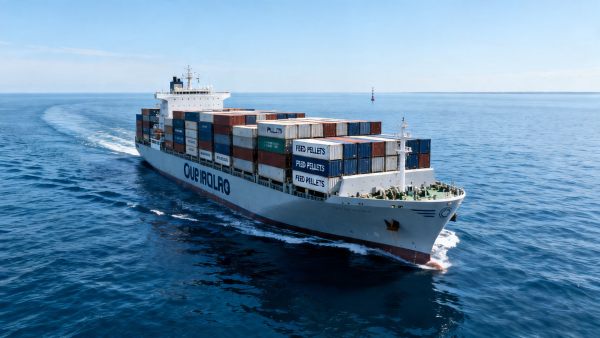
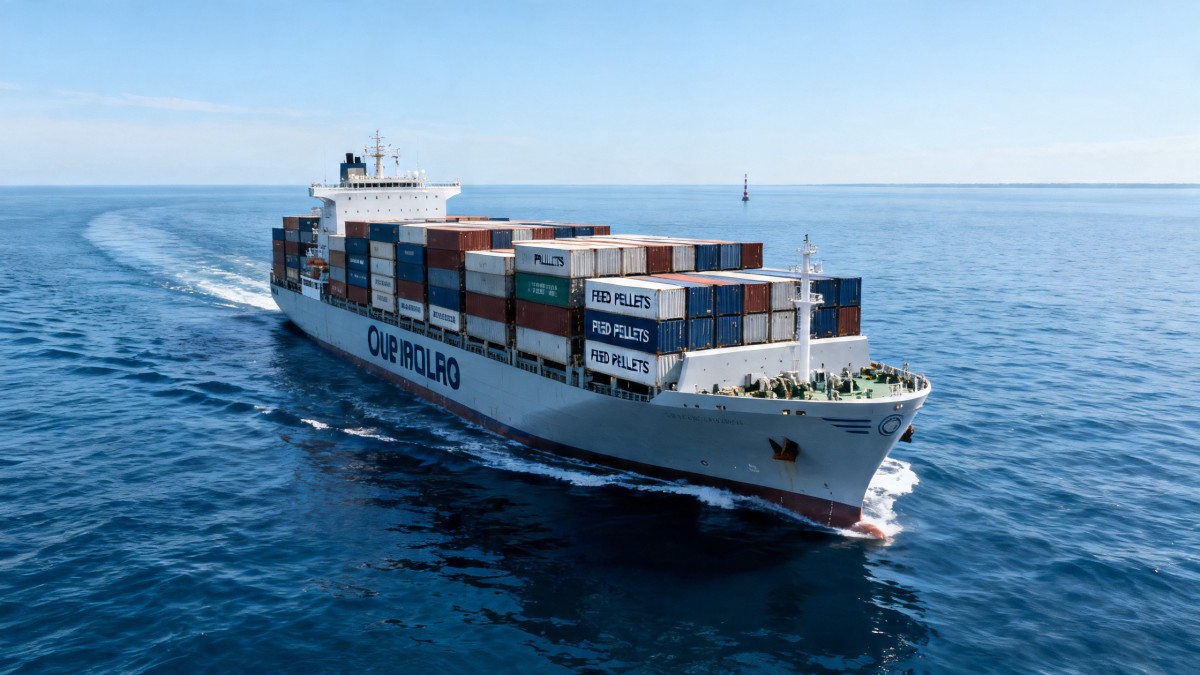
Red Sea shipping disruption continues to exert upward pressure on Asia-Europe maritime logistics costs, with Commercial Feed Pellet exporters reporting FOB price adjustments of 8–12% effective mid-April 2026. This development directly affects feed manufacturers, international traders, and European importers reliant on timely, cost-predictable shipments — making it a critical signal for supply chain planning across agri-commodity export channels.
Event Overview
On April 17, 2026, the spot freight rate for the Asia-Europe container shipping lane reached $3,850 per TEU, according to joint data from Alphaliner and the Shanghai Shipping Exchange — a 142% year-on-year increase. The rise is attributed primarily to mandatory Red Sea rerouting and higher Suez Canal transit fees. Commercial Feed Pellet exporters report extended delivery lead times of 7–10 days for orders scheduled in mid-to-late April 2026. Some European buyers have begun requesting ‘transparency clauses’ for ocean surcharges to be explicitly included in supply contracts.
Industries Affected by Segment
Direct Export Trading Firms
These firms face immediate margin compression due to rising FOB costs and longer shipment cycles. Impact manifests as reduced pricing competitiveness in European tenders, increased working capital requirements to cover extended inventory holding, and contractual friction over newly introduced surcharge clauses.
Feed Ingredient Procurement & Blending Units
Upstream procurement teams sourcing raw materials (e.g., soybean meal, fishmeal) for pellet production must now factor in downstream freight volatility when negotiating input contracts. Delayed deliveries of finished pellets may trigger secondary ripple effects — such as delayed replenishment of raw material inventories tied to just-in-time blending schedules.
European Importers & Distributors
Importers face dual pressures: higher landed costs from FOB increases and operational uncertainty from delivery delays. Stock planning becomes more complex, especially for time-sensitive formulations or seasonal demand windows (e.g., aquaculture feeding cycles). Contractual insistence on ‘freight cost transparency’ signals growing buyer-side risk allocation efforts.
Logistics & Freight Forwarding Service Providers
Forwarders handling Commercial Feed Pellet cargo are experiencing heightened client scrutiny on surcharge line items and documentation traceability. Demand is rising for granular cost breakdowns (e.g., BAF, CAF, ENS, Suez fee components), not just lump-sum quotes — increasing administrative load and requiring tighter coordination with carrier partners.
What Relevant Enterprises or Practitioners Should Monitor and Do Now
Track official updates on Suez Canal fee structures and Red Sea security advisories
Alphaliner and the Suez Canal Authority regularly publish tariff and transit condition updates. Current FOB adjustments reflect confirmed cost increases — but further revisions remain possible if canal fees change again or rerouting duration extends beyond Q2 2026.
Review contract terms for upcoming orders — especially incoterms and surcharge pass-through language
FOB-based contracts shift freight cost responsibility to buyers; however, European clients now seek clause-level visibility into how those costs are calculated. Exporters should prepare standardized, auditable surcharge calculation templates for inclusion in new agreements.
Assess buffer stock levels and delivery window flexibility with key European customers
A 7–10 day delay may strain lean inventory models. Companies should jointly review order frequency, minimum order quantities, and acceptable delivery variance windows — particularly where regulatory compliance (e.g., feed safety certifications) ties release timing to shipment dates.
Map exposure across vessel operators and routing alternatives
Not all carriers apply surcharges uniformly. Exporters should compare actual billed rates across at least three major Asia-Europe carriers serving their origin port (e.g., Shanghai, Qingdao, Guangzhou), noting differences in Suez-related add-ons and transshipment patterns (e.g., via Jebel Ali vs. Singapore).
Editorial Observation / Industry Perspective
From an industry perspective, this is less a short-term anomaly and more a structural stress test of current agri-export logistics resilience. The 8–12% FOB adjustment is not merely a cost pass-through — it reflects recalibration of risk pricing across the trade corridor. Analysis来看, the inclusion of ‘freight transparency clauses’ by European buyers suggests a shift toward contractual formalization of maritime volatility, rather than ad hoc negotiation. Observation来看, the impact is most acute for mid-sized exporters lacking scale-driven carrier leverage or diversified routing options. Current more appropriate interpretation is that this event signals the normalization of Red Sea-related cost and timeline uncertainty — not a temporary spike awaiting reversal.
This is not yet a full supply chain reconfiguration, but it is a clear inflection point for how feed pellet exporters assess route risk, price contracts, and allocate working capital against shipping variables.
Conclusion
The April 17, 2026 freight surge and associated FOB adjustments highlight how geopolitical shipping constraints directly reshape commercial terms in agricultural commodity trade. It underscores that maritime cost volatility is now a core input in pricing, contracting, and inventory strategy — not just a logistics footnote. For stakeholders, this is best understood not as an isolated incident, but as an early indicator of sustained operational complexity in Asia-Europe agri-exports under persistent Red Sea uncertainty.
Information Sources
Primary data sourced from Alphaliner and the Shanghai Shipping Exchange, jointly published on April 17, 2026. Ongoing monitoring is advised for Suez Canal Authority fee announcements and carrier-specific surcharge bulletins — these remain subject to revision based on navigational conditions and regulatory decisions.
Related Intelligence
- Commercial Feed PelletRed Sea Crisis Drives Up Asia-Europe Freight Costs, Feed Pellet FOB Prices Rise 8–12%Red Sea Crisis drives Asia-Europe freight costs up—Commercial Feed Pellet FOB prices rise 8–12%. Critical insight for exporters, traders & importers navigating supply chain volatility.
- Commercial Feed PelletAksu Cotton Mills at Full Capacity; Cottonseed Protein Export Stability RisesAksu cotton mills hit 100% capacity; cottonseed protein exports surge with Thailand & Saudi FDA approvals—99.2% delivery reliability drives feed ingredient buyers’ interest.
- Commercial Feed PelletGrass Forage Chopper Blade Wear Is Costlier Than It LooksGrass forage chopper blade wear drives hidden costs in fuel, downtime, and silage quality. Compare square baler machine, round baler machine, and wrapper options for smarter ROI.
The Morning Broadsheet
Daily chemical briefings, market shifts, and peer-reviewed summaries delivered to your terminal.
