
Wet mix or dry mix for a shrimp feed pellet machine?
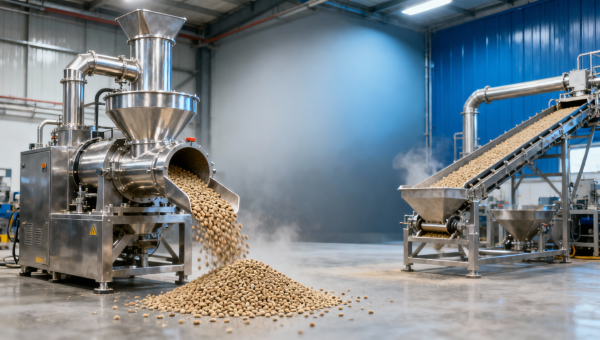
Choosing wet mix or dry mix for a shrimp feed pellet machine directly affects pellet stability, water performance, and operating cost in modern aquaculture. For buyers comparing a sinking fish feed machine or floating fish feed extruder within recirculating aquaculture systems, this guide explains the technical trade-offs, production impact, and procurement factors that matter most.
How should buyers frame the wet mix vs dry mix decision?
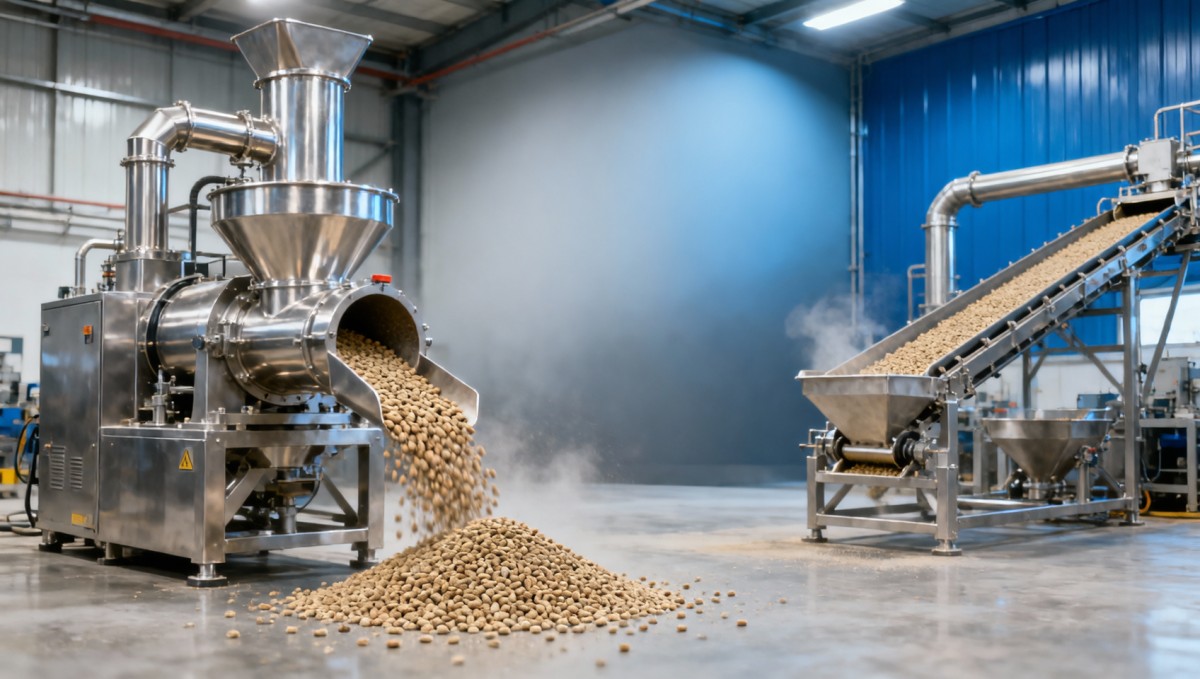
In shrimp feed production, the wet mix or dry mix choice is not a minor recipe adjustment. It changes how starch is conditioned, how steam or water enters the mash, and how pellets behave during drying, cooling, and water immersion. For operators, the issue is process stability. For procurement teams, it is a total-cost and risk question that affects throughput, utility demand, spare parts planning, and feed consistency across 8–24 hour production cycles.
A wet mix shrimp feed pellet machine usually relies on pre-conditioning with added moisture, steam, or liquid binders before pelletizing or extrusion. A dry mix system works with lower initial moisture and simpler dosing, then depends more heavily on downstream control. Neither route is universally better. The right fit depends on feed formula, target pellet diameter, plant utility infrastructure, and whether the line is designed for sinking shrimp feed, slow-sinking aquafeed, or broader multi-species production.
This distinction matters more in shrimp than in many livestock feeds because pellets must hold shape in water long enough for feeding behavior, pond conditions, and nutrient retention. In practical terms, procurement teams often evaluate 3 core outcomes: water stability, production efficiency, and controllable operating cost. If one of these is misjudged at tender stage, the plant may face rework, unplanned moisture variation, or lower acceptance by farming customers.
At AgriChem Chronicle, the focus is not on generic machine promotion but on decision-grade analysis for industrial buyers. In aquaculture and feed processing, the best equipment decision is usually made by connecting formulation requirements, machinery architecture, compliance expectations, and supply-chain transparency. That approach is especially important when comparing a shrimp feed pellet machine with a sinking fish feed machine or a floating fish feed extruder in mixed-product factories.
What makes shrimp feed processing more demanding?
Shrimp feed typically requires tighter control of pellet size, density, and water durability than many standard terrestrial feeds. Common commercial pellet sizes may range from about 0.8 mm to 2.5 mm depending on growth stage, and even small deviations can affect feeding response and fines generation. That is why process teams often give more attention to mash uniformity, die condition, and pre-conditioning residence time than they would in less sensitive feed categories.
- Water stability must remain acceptable over a practical feeding window, not only at machine discharge.
- Pellet density must align with sinking behavior and pond or tank management strategy.
- Thermal and moisture input must be controlled to limit nutrient loss and reduce process variation.
- Fine particle control is critical because excess fines increase waste, fouling, and feed conversion pressure.
Wet mix or dry mix: what are the actual process and product differences?
The wet mix route typically introduces water, steam, molasses-like binders, oils, or other liquid components in a controlled way before pellet formation. This can improve starch gelatinization and mash plasticity, which often supports denser, more cohesive shrimp feed pellets. However, it also demands tighter process control. Moisture over-addition can reduce pellet consistency, increase dryer load, and create variability between shifts if dosing accuracy and residence time are not well managed.
The dry mix route is simpler in plant layout and easier to start with for smaller or more flexible operations. It generally reduces complexity in liquid handling and lowers the burden on pre-conditioning equipment. For factories producing multiple formulas in short runs, this can be attractive. Yet dry mix systems may require more attention to raw material particle size, binder selection, and post-pelleting handling to achieve the same water stability demanded by intensive shrimp farming applications.
In many procurement discussions, confusion arises because buyers compare a shrimp feed pellet machine with a floating fish feed extruder as if they solve the same process problem. They do not. Extrusion is often selected when expansion, buoyancy control, and broader starch transformation are priorities. Pelletizing is often favored when dense sinking pellets, simpler line integration, or lower capital intensity are the main goals. Wet mix and dry mix decisions sit inside that broader equipment logic.
The table below helps technical evaluators, plant managers, and finance approvers compare the two methods through a practical B2B lens rather than a purely theoretical one.
The comparison shows why many projects cannot be decided by purchase price alone. A lower-cost dry mix machine may still lead to higher formulation adjustment, more rejects, or tighter operator dependency. Conversely, a wet mix line with underdeveloped utility support can create bottlenecks in drying and maintenance. The right answer depends on how the whole process line behaves, not only on the pellet machine itself.
Where do sinking fish feed machine and floating fish feed extruder comparisons fit?
A sinking fish feed machine often overlaps with shrimp feed requirements when dense pellets and limited expansion are required. It can be a relevant benchmark for buyers who serve both shrimp and bottom-feeding fish. A floating fish feed extruder, by contrast, is a better reference point when product diversification is planned. If a facility expects to add 2–3 fish feed categories within 12–24 months, extrusion may justify its higher complexity through broader product capability.
For projects built around one core shrimp feed formula and continuous operation, pelletizing with the correct conditioning method often remains the more direct route. For diversified aquafeed plants, technical teams should compare not just wet mix or dry mix, but also pellet mill versus extruder, pre-conditioner design, dryer capacity, and final screening efficiency as a linked system.
Which technical parameters matter most before procurement approval?
Technical review should begin with the process window, not the brochure headline. In a shrimp feed pellet machine project, evaluators usually need to verify at least 5 groups of parameters: target pellet size, moisture control range, die or extrusion configuration, utility load, and planned throughput per hour. Plants that skip one of these checks often end up with machines that look suitable on paper but fail during commissioning or recipe changeover.
A practical example is moisture management. Wet mix systems may need a clearly defined dosing and conditioning range so operators can control mash behavior without overloading the dryer. Dry mix systems, while simpler, still require stable ambient handling and accurate dry ingredient preparation. In both cases, the achievable pellet consistency over a 6–12 hour shift matters more than short test-run performance.
Engineering teams should also examine wear parts and sanitation access. Die wear, roller condition, feeder stability, and cleaning access all influence plant uptime. In regulated or export-oriented feed environments, easier inspection and documented maintenance routines support quality control and audit readiness. This is where a journal-led intelligence approach is valuable: procurement can link machine design to downstream quality assurance instead of treating them as separate functions.
The following table summarizes common evaluation parameters and the kind of questions technical teams should raise during vendor comparison.
For most B2B buyers, this table should become a tender checklist. It helps project managers ask specific questions during technical clarification, and it helps finance teams understand why two machines with similar nominal output may have very different installation cost and operating behavior.
A 4-step parameter confirmation workflow
- Confirm target feed portfolio: shrimp-only, shrimp plus sinking fish feed, or mixed aquafeed including floating products.
- Define process conditions: expected shift length, utility availability, and acceptable cleaning frequency.
- Match formula sensitivity with machine type: binder reliance, moisture tolerance, and pellet durability expectations.
- Review lifecycle support: spare parts lead time, commissioning scope, and operator training coverage over the first 2–4 weeks.
Why quality and safety teams should be involved early
Quality control personnel often identify issues that procurement and operations miss, especially around cleanability, cross-batch consistency, and documentation. Safety managers should review guarding, maintenance lockout access, and thermal utility interfaces before purchase order release. Early cross-functional review reduces the risk of a machine that meets capacity expectations but creates operational or compliance friction after installation.
How do cost, utilities, and plant scale change the right answer?
The cost discussion should separate capital expenditure from operating expenditure. A dry mix shrimp feed pellet machine may look attractive for initial budget control because it can simplify the upstream system and reduce liquid dosing infrastructure. This is often useful for smaller plants, pilot production, or regional distributors entering aquafeed manufacturing. But lower initial spend does not always mean lower cost per ton once labor, downtime, fines handling, and formula adjustment are included.
Wet mix systems usually increase complexity, and that may mean higher spending on pre-conditioning units, steam lines, dryer sizing, and control hardware. Yet on medium or larger production schedules, especially where lines run daily or near continuous duty, wet mix can support more stable pellet formation and reduce process drift. If a plant produces the same shrimp feed grades week after week, the cost benefit often comes from consistency and lower rejection, not from the machine price itself.
Buyers should also consider installation context. In some facilities, steam is already available for other process lines, making wet mix more practical. In others, adding boilers or water treatment may extend project timelines by 4–10 weeks and materially change approval logic. That is why project leaders need an integrated capex and utility map before final equipment selection.
The cost-oriented comparison below can help align engineering, procurement, and financial approval teams around the most relevant differences.
The cost picture becomes clearer when teams evaluate cost per accepted output rather than cost per installed machine. That method is especially useful for enterprise decision makers and financial approvers who need to compare technical options on a business basis rather than a purely mechanical one.
When does a hybrid decision make sense?
Some facilities do not need an extreme wet-only or dry-only position. A moderate conditioning approach, combined with careful binder strategy and strong drying control, may offer a balanced path. This is particularly relevant for plants producing both shrimp feed and sinking fish feed where product requirements overlap but are not identical. In such cases, engineering teams should compare formula flexibility over 3–5 product families rather than selecting only by one reference feed.
What procurement mistakes, compliance issues, and FAQ points should teams address?
Industrial buyers in aquaculture often focus on nominal capacity and overlook implementation details that determine real performance. A shrimp feed pellet machine must fit not only the formulation but also the site, the utility network, the maintenance culture, and the documentation expectations of the business. In more regulated markets, supplier transparency, material traceability for contact parts, and maintenance records may influence vendor approval alongside technical suitability.
Although feed machinery is not governed by the same framework as pharmaceutical equipment, quality-minded buyers still benefit from structured compliance thinking. They should request clear documentation on contact materials, cleaning procedures, operating manuals, spare-part lists, and commissioning scope. For export-facing operations or integrated food chains, alignment with general food and environmental management practices can support internal approval and reduce downstream audit friction.
AgriChem Chronicle is positioned to support this kind of review because the machinery decision does not happen in isolation. Buyers increasingly need a verified information layer that connects process design, market logic, compliance awareness, and supplier credibility. That is especially valuable for distributors, project managers, and multinational procurement teams comparing several regions or contract manufacturing models.
Before contract signature, teams should normally verify 5 practical checkpoints: installation utility list, operator training duration, spare-parts lead time, commissioning acceptance criteria, and documented support for recipe transition. These items often decide whether the first 30–90 days after startup are stable or disruptive.
Common misconceptions that delay the right decision
- Assuming wet mix always produces better pellets. It often helps, but only when conditioning, drying, and formula design are correctly matched.
- Assuming dry mix is only for low-end production. In reality, it can be commercially sound for flexible runs, budget-sensitive projects, or plants with limited utilities.
- Treating a floating fish feed extruder as a direct substitute for every shrimp feed pellet machine. Product objectives and processing physics are different.
- Evaluating only machine price without considering dryer load, operator skill demand, spare parts, and line balance.
FAQ for technical evaluators and buyers
How do I choose between wet mix and dry mix if my plant is new?
Start with 4 questions: what pellet size range you need, whether steam and drying utilities are already available, how many formulas you will run each week, and how much operator experience you can support in the first 2–8 weeks. If utilities are limited and product variety is high, dry mix may be the safer start. If the goal is stable, repeatable shrimp feed output at commercial scale, wet mix often deserves closer evaluation.
Is a sinking fish feed machine suitable for shrimp feed production?
It can be relevant when dense, sinking pellets are the priority and the machine configuration supports the target pellet size and durability profile. However, suitability depends on die selection, conditioning method, and formula behavior. Buyers should not assume compatibility without confirming pellet size, water stability expectations, and downstream drying and screening performance.
When should a floating fish feed extruder be considered instead?
Consider extrusion when the business plan includes floating or expanded feed categories, broader species coverage, or future product diversification over the next 12–24 months. If the plant will remain focused on shrimp and dense sinking products, a pelletizing route may remain more direct and easier to justify.
What is a reasonable implementation concern after machine delivery?
The most common issues arise in the first commissioning stage: inconsistent moisture control, insufficient dryer balance, and limited operator familiarity with formula changeover. Buyers should request a practical startup plan covering installation checks, trial production, acceptance criteria, and operator training. A structured 3-stage approach—mechanical inspection, process tuning, and steady-run validation—usually reduces startup risk.
Why work with AgriChem Chronicle when evaluating feed processing equipment?
For institutional buyers and industrial operators, the problem is rarely a lack of vendor offers. The real problem is filtering technical claims into procurement-grade decisions. AgriChem Chronicle supports that process by connecting machinery analysis with supply-chain logic, practical compliance awareness, and application-specific evaluation across aquaculture, feed processing, agricultural machinery, and regulated industrial sectors.
If your team is comparing wet mix and dry mix options for a shrimp feed pellet machine, or benchmarking them against a sinking fish feed machine or floating fish feed extruder, the most productive next step is a structured technical review. That review should cover target pellet size, formula profile, utility readiness, line capacity expectations, spare-parts planning, and documentation requirements before commercial negotiation begins.
You can contact us for decision support on parameter confirmation, solution selection, expected delivery and commissioning scope, customization boundaries, documentation expectations, sample or pilot discussion logic, and quotation comparison criteria. This is particularly useful for procurement teams, engineering managers, distributors, and project leaders who need a neutral framework before moving to final vendor shortlisting.
When the goal is not just to buy equipment, but to secure a workable feed production solution with lower decision risk, informed analysis matters. AgriChem Chronicle provides a professional channel for that conversation, helping industrial buyers translate technical options into clearer purchasing, implementation, and growth decisions.
Related Intelligence
- Commercial Feed PelletRed Sea Crisis Drives Up Asia-Europe Freight Costs, Feed Pellet FOB Prices Rise 8–12%Red Sea Crisis drives Asia-Europe freight costs up—Commercial Feed Pellet FOB prices rise 8–12%. Critical insight for exporters, traders & importers navigating supply chain volatility.
- Commercial Feed PelletAksu Cotton Mills at Full Capacity; Cottonseed Protein Export Stability RisesAksu cotton mills hit 100% capacity; cottonseed protein exports surge with Thailand & Saudi FDA approvals—99.2% delivery reliability drives feed ingredient buyers’ interest.
- Commercial Feed PelletGrass Forage Chopper Blade Wear Is Costlier Than It LooksGrass forage chopper blade wear drives hidden costs in fuel, downtime, and silage quality. Compare square baler machine, round baler machine, and wrapper options for smarter ROI.
The Morning Broadsheet
Daily chemical briefings, market shifts, and peer-reviewed summaries delivered to your terminal.
