
When is magnetic separator for feed needed?
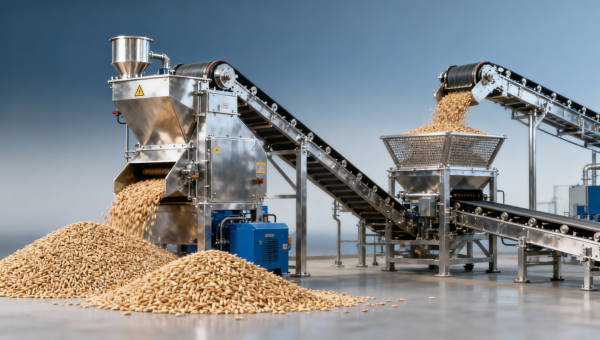
A magnetic separator for feed is needed whenever metal contamination risks product safety, equipment uptime, or compliance in feed and grain processing. For operators and buyers evaluating a feed grading sieve, double roller crumbler, feed pellet cooler, liquid adding machine feed line, gravity separator grain unit, grain destoner machine, rotary drum sieve grain system, grain pre cleaner machine, or enclosed belt conveyor, understanding the right installation point is essential to reduce hazards, protect machinery, and improve overall process reliability.
In practical B2B operations, the question is rarely whether ferrous contamination exists, but when the contamination risk becomes high enough to justify a dedicated magnetic separator for feed. That threshold often appears before visible metal fragments are found, especially in raw grain intake, hammer milling, pelletizing, crumbling, cooling, and finished product transfer.
For procurement teams, quality managers, project engineers, and plant operators, the decision affects more than hygiene. It influences maintenance cost, line stoppage frequency, downstream equipment life, inspection outcomes, and buyer confidence. A well-placed separator can help prevent damage to dies, rollers, bearings, and conveyors, while reducing contamination complaints and costly product holds.
This article explains when a magnetic separator for feed is necessary, where it should be installed, what technical factors matter most, and how different feed and grain processing configurations change the selection logic.
Why a magnetic separator for feed becomes necessary
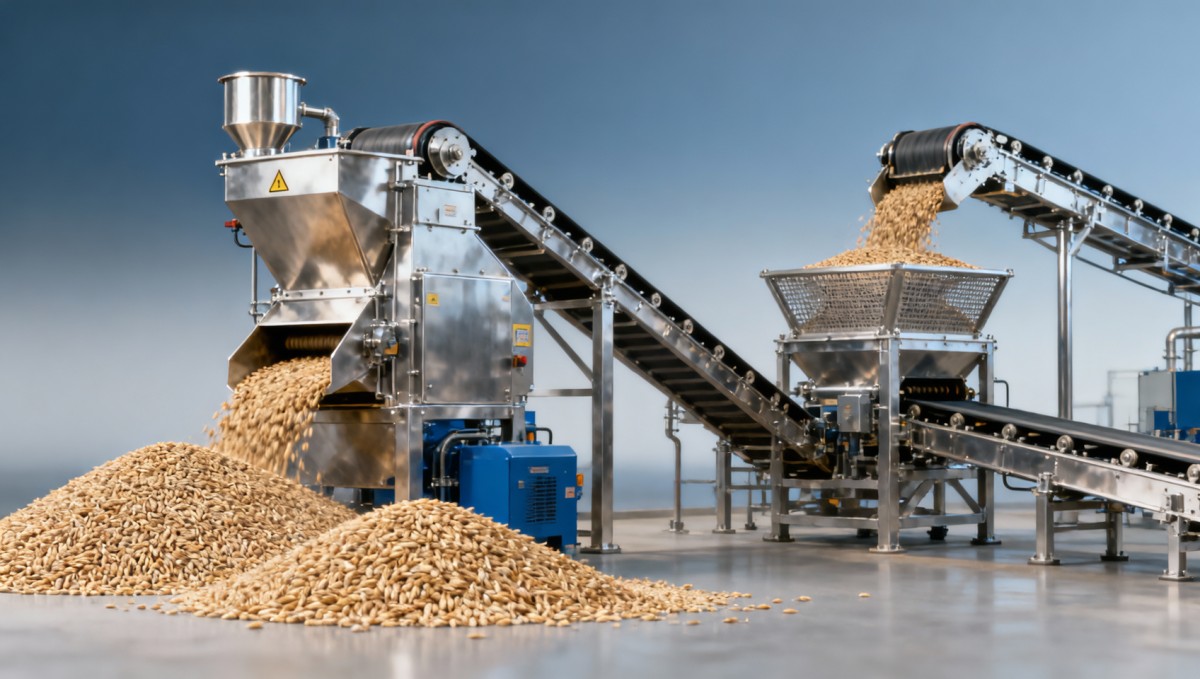
Metal contamination can enter a feed line from at least 4 common sources: incoming raw materials, transport and storage hardware, upstream farming machinery wear, and maintenance-related fragments such as bolts, wire, or welding residue. In grain and feed operations that process 5 to 50 tons per hour, even a small amount of ferrous metal can quickly become a serious operational issue.
A magnetic separator for feed is typically needed when the line includes high-speed or high-pressure equipment. Examples include hammer mills, pellet mills, double roller crumblers, rotary valves, enclosed belt conveyors, and grading or cleaning systems. If metal reaches these units, it may chip critical surfaces, cause unplanned shutdowns, or contaminate batches that have already absorbed energy, additives, and labor cost.
The need also rises when plants handle multiple raw material categories such as maize, soybean meal, bran, mineral premix, fishmeal, or recycled by-products. Mixed sourcing increases variability, and variability raises the probability of tramp iron. Facilities running 2 or 3 shifts per day often face greater exposure because higher throughput leaves less time for manual inspection.
Compliance and customer assurance are additional triggers. Feed producers supplying integrated farms, contract growers, aquaculture operators, or export-oriented distributors may need stronger contamination control documentation. A magnetic separator for feed helps show that preventive controls are built into the process rather than left to end-point checking alone.
Typical operational signs that separation is overdue
Many facilities wait until they experience a visible failure, but there are earlier warning signs. Frequent die wear, unexplained vibration, recurring bearing replacement, and metal findings during sieve checks often indicate that magnetic capture should have been installed earlier. If maintenance records show repeated damage every 3 to 6 months, preventive separation usually deserves review.
- Unexpected wear on pellet dies, rollers, crusher surfaces, or conveyor pulleys
- Metal particles found during finished feed inspection or sieve residue checks
- Higher-than-normal downtime during seasonal raw material peaks
- Incoming grain lots from variable suppliers or decentralized collection points
- Customer quality complaints linked to foreign material control
Risk profile by process stage
The table below shows where risk usually increases and why a magnetic separator for feed becomes more valuable at specific process stages.
The key takeaway is that a magnetic separator for feed should not be treated only as a final check. In many lines, its highest value comes from upstream protection, especially before equipment with tight clearances or expensive wear parts.
Best installation points in feed and grain processing lines
Correct placement determines whether the separator works as a protective control, a quality checkpoint, or both. In most feed plants, one unit is good, but two or three strategic points deliver better risk reduction. The most common layout is one separator at raw material intake and another before the pellet mill or crumbler.
If the process includes a grain pre cleaner machine, gravity separator grain unit, rotary drum sieve grain system, or grain destoner machine, a magnetic separator for feed is often installed before or immediately after primary cleaning. Upstream placement captures larger ferrous contamination early, while downstream placement captures metal released by upstream mechanical handling.
For lines with a liquid adding machine feed setup, placement should consider product flow behavior. Once oils, molasses, or liquid nutrients are added, material adhesion can reduce cleaning efficiency and complicate separator maintenance. In most cases, magnetic separation performs better before liquid addition unless a final risk check is also required.
In systems with enclosed belt conveyors, transfer points are especially important. Each transfer creates an opportunity for hardware looseness, belt wear debris, or accidental metal entry. Facilities with conveyor runs longer than 20 to 30 meters should evaluate whether one central separator is enough or whether localized protection is more effective.
Recommended locations by equipment combination
The installation logic changes with the process sequence. The table below offers a practical guide for engineering teams and buyers comparing different feed line configurations.
For most medium-scale plants, the highest-priority position is still before the pellet mill, crumbler, or other critical machine where a single metal fragment can cause immediate mechanical damage. However, intake protection is equally valuable when supply consistency is poor or raw material screening is limited.
A simple 3-step placement rule
- Identify the first high-value machine in the line, such as a hammer mill, pellet mill, or double roller crumbler.
- Review upstream transfer points, storage bins, and cleaning devices for contamination entry risk.
- Select 1 to 3 separator points based on consequence severity, not only on available space.
This approach helps project managers balance capital expense with downtime prevention. In many plants, adding one correctly placed separator avoids far more cost than replacing damaged wear parts two or three times in a year.
How to choose the right magnetic separator for feed
Selection should begin with material behavior, contamination profile, and line capacity. A magnetic separator for feed that works well on free-flowing grain may be less effective on sticky meal, conditioned mash, or product with added liquid ingredients. Buyers should ask whether the product is dry or humid, coarse or fine, and whether it flows vertically, horizontally, or pneumatically.
Capacity matching is essential. If a line runs at 10 tons per hour but surge loads reach 14 tons per hour during peak receiving periods, the separator should be chosen for the higher flow condition. Undersized units may reduce contact time and magnetic capture efficiency, while oversized units can complicate installation and cleaning access without adding real value.
Cleaning frequency is another practical factor. Some plants can inspect and clean separators every shift, while others only do so every 24 to 72 hours. Where labor is limited, easy-clean housings or drawer-style access may be more economical over 12 months than a lower-cost unit that requires more stoppage time.
Materials of construction matter in regulated environments. Buyers should confirm compatibility with feed-contact expectations, dust exposure, washdown practice if applicable, and maintenance access. For export-linked plants or stricter audit environments, documentation quality can influence purchasing almost as much as the magnet itself.
Selection criteria that should be on every RFQ
- Nominal throughput range, such as 3–5 TPH, 10–15 TPH, or 20–30 TPH
- Product type, including grain, mash feed, pellet crumble, premix, or by-product meal
- Installation orientation: chute, spout, pipeline, conveyor discharge, or intake point
- Magnet cleaning method and estimated cleaning interval per 8-hour or 12-hour shift
- Access requirements for inspection, sanitation, and maintenance verification
- Operating environment, including dust, humidity, temperature fluctuation, and vibration
Practical comparison for procurement teams
The table below helps procurement, finance, and engineering stakeholders compare options using operationally relevant criteria rather than headline claims alone.
When these criteria are used consistently, buyers can avoid a common mistake: selecting only by initial purchase price. In most feed operations, separator value is measured over 1 to 3 years through avoided failures, lower contamination risk, and better process stability.
Implementation, inspection, and maintenance in daily operations
Installing a magnetic separator for feed is not the end of contamination control. Performance depends on inspection discipline, cleaning frequency, and clear ownership between operations, maintenance, and quality teams. A separator that is never checked may still capture metal, but once overloaded, its practical protection declines.
A useful routine is to inspect high-risk separators once per shift during the first 2 to 4 weeks after startup or after a raw material sourcing change. This baseline period shows actual contamination load. After trends are understood, plants can set a more stable interval, such as every 12 hours, every 24 hours, or per batch category.
Recordkeeping should be simple but consistent. Operators can log date, line, contamination volume category, abnormal findings, and corrective action. If one intake line repeatedly shows higher metal collection than the others, purchasing and receiving teams gain actionable insight into supplier variability or transport handling issues.
Maintenance teams should also inspect surrounding fasteners, chute surfaces, and upstream wear points. A magnetic separator for feed often reveals a hidden mechanical issue before the issue becomes a breakdown. Repeated capture of sharp metallic flakes, for instance, may indicate internal abrasion or unstable hardware rather than random incoming contamination.
A practical maintenance checklist
- Verify cleaning frequency according to actual contamination load, not fixed habit.
- Inspect seals, housings, and access covers every 2 to 4 weeks for dust leakage or bypass risk.
- Review captured material type to distinguish field contamination from equipment wear debris.
- Include separator checkpoints in monthly preventive maintenance and quarterly line audits.
- Train operators to report unusual spikes after supplier changes, maintenance shutdowns, or storm-related grain handling disruptions.
Common mistakes that reduce effectiveness
The most common error is poor placement in a low-contact zone where product bypasses the magnetic field. Another frequent mistake is using one separator to protect a long, complex line with multiple contamination entry points. A third issue is neglecting access space, which leads to infrequent cleaning because the unit is difficult or unsafe to service.
Plants should also avoid treating magnetic separation as a substitute for basic mechanical housekeeping. Loose screens, damaged conveyor components, and poor receiving discipline can overwhelm even a good separator. The best results come when magnets are integrated with pre-cleaning, sieve checks, equipment maintenance, and supplier control procedures.
Frequently asked questions from buyers and plant teams
The decision to add a magnetic separator for feed often involves multiple departments. Operations want fewer stoppages, quality wants stronger foreign material control, procurement wants justified cost, and finance wants measurable value. The questions below reflect those shared concerns.
How many magnetic separators does a typical feed line need?
There is no single number, but many lines benefit from 2 points of protection: one near raw intake and one before critical equipment such as a pellet mill or crumbler. Larger plants with several transfer stages, multiple silos, or capacity above 15 to 20 TPH may justify 3 or more locations based on contamination risk and shutdown consequence.
Can a separator replace a grain pre cleaner machine or destoner?
No. A magnetic separator for feed addresses ferrous contamination, while a grain pre cleaner machine, rotary drum sieve grain system, gravity separator grain unit, or grain destoner machine handles different categories of impurities by size, density, or flow behavior. These machines are complementary, not interchangeable.
When should inspection frequency be increased?
Increase checks during the first month after commissioning, after a new supplier is onboarded, after maintenance on upstream conveyors or mills, and during seasonal harvest periods when contamination variation is higher. A temporary increase from once every 24 hours to once every 8 or 12 hours can help detect risk trends early.
What is the main financial justification for installation?
The strongest business case usually combines 3 elements: reduced damage to expensive process equipment, lower batch rejection or rework risk, and fewer emergency stoppages. Even without assigning exact cost savings, many plants find the investment easier to approve when compared against one die replacement, one major bearing failure, or one contaminated shipment incident.
A magnetic separator for feed is needed whenever contamination risk is high enough to threaten product integrity, machinery reliability, or audit readiness. The most effective decisions are based on process stage, line capacity, product flow characteristics, and the consequence of metal reaching critical equipment.
For feed and grain processors evaluating a feed grading sieve, double roller crumbler, feed pellet cooler, liquid adding machine feed line, gravity separator grain unit, grain destoner machine, rotary drum sieve grain system, grain pre cleaner machine, or enclosed belt conveyor, separator placement should be part of the full line design rather than an afterthought.
If you are planning a new project, upgrading an existing plant, or reviewing contamination control in a current process, now is the right time to assess where magnetic separation adds the most value. Contact us to discuss your application, request a tailored process recommendation, or explore a more reliable feed and grain handling solution.
Related Intelligence
- Commercial Feed PelletU.S.-Iran Strait of Hormuz Tensions Push Feed Pellet Freight Rates Up 8.3%U.S.-Iran Strait of Hormuz tensions spike feed pellet freight rates by 8.3%. Discover how exporters, importers & logistics providers can mitigate risk and adapt fast.
- Commercial Feed PelletFloating Fish Feed Plant Cost Guide for 2026Floating fish feed plant cost guide for 2026: compare horizontal ribbon blender feed, vertical feed mixer machine, poultry feed pellet machine integration, and ROI-driving hidden costs.
- Commercial Feed PelletIs a Cattle Feed Processing Plant Worth the Investment?Cattle feed processing plant ROI explained: compare horizontal ribbon blender feed, vertical feed mixer machine, and poultry feed pellet machine for smarter, profitable investment decisions.
The Morning Broadsheet
Daily chemical briefings, market shifts, and peer-reviewed summaries delivered to your terminal.
