
Vertical Feed Mixer Machine or Batch Mixing Line?
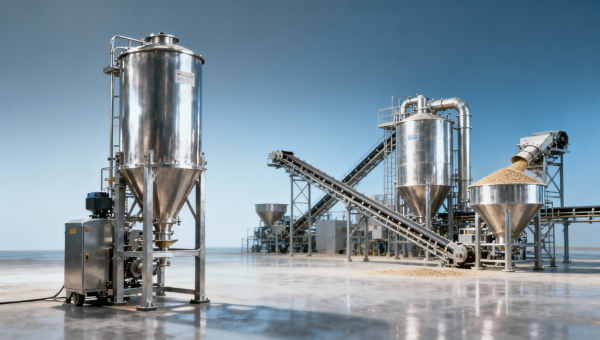
When choosing between a vertical feed mixer machine and a full batch mixing line, buyers must balance output, consistency, cost, and compliance. From horizontal ribbon blender feed systems to poultry feed pellet machine integration, today’s feed projects demand more than basic mixing. This guide helps procurement teams, operators, and technical evaluators compare equipment options for cattle feed processing plant upgrades, floating fish feed plant planning, and scalable animal feed mixers wholesale decisions.
How different are a vertical feed mixer machine and a batch mixing line in real operations?
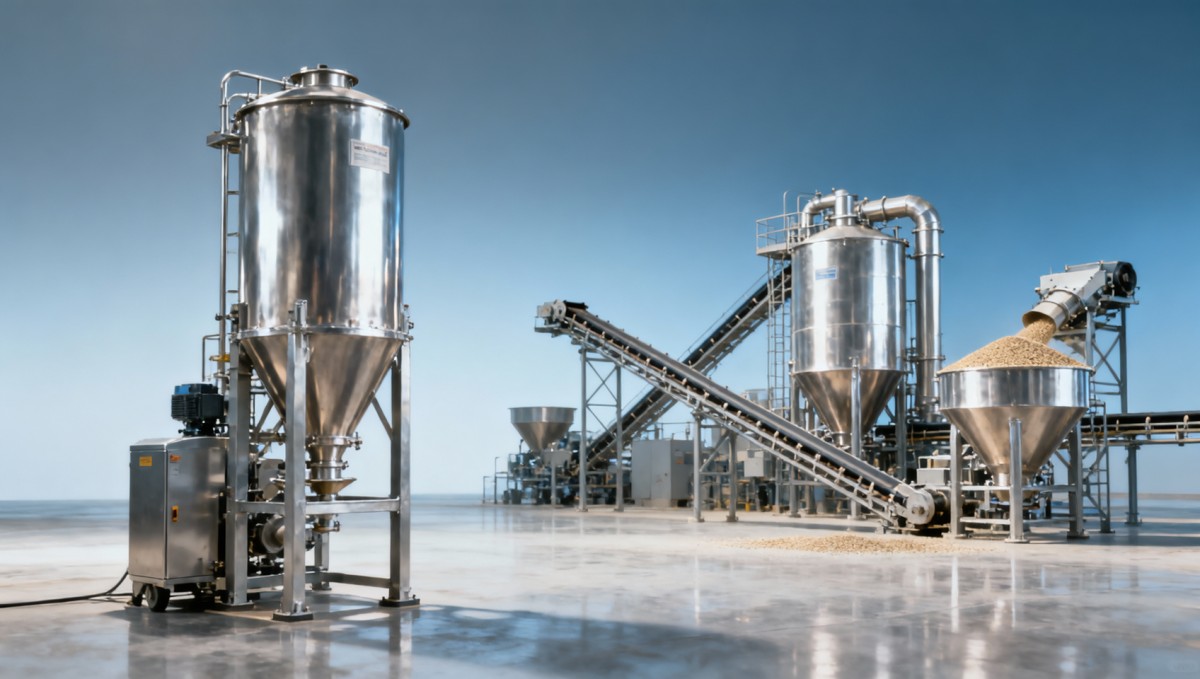
The core difference is not simply machine size. A vertical feed mixer machine is usually selected for straightforward mixing duties, smaller production windows, and lower initial investment. A batch mixing line is a system-level solution that combines dosing, conveying, mixing, possible grinding, pelletizing, cooling, screening, and control logic. For a buyer comparing plant expansion options, the question is whether the project needs a single process step or a repeatable production workflow.
In practical terms, a vertical feed mixer machine often fits low-to-medium throughput operations, pilot production, farm-based feed preparation, or regional dealers serving mixed livestock demand. A batch mixing line becomes more attractive when plants need tighter batch traceability, formula switching, lower manual handling, or downstream integration with a poultry feed pellet machine, crumbling unit, or packing line. The more ingredients and process steps involved, the more system coordination matters.
For operators and project managers, the decision also affects installation time and staffing. A stand-alone mixer may be commissioned in a shorter cycle, often within several days after utilities are ready. A complete line can require 2–6 weeks for coordinated installation, electrical interfacing, dry testing, and load testing, depending on layout complexity, dust control requirements, and automation scope.
ACC tracks these decisions across feed and grain processing projects because procurement errors rarely come from one wrong machine. They usually come from a mismatch between business goals, ingredient behavior, compliance expectations, and future capacity planning. That is why system comparison should start with use case, formulation risk, and plant workflow instead of headline motor power alone.
A quick decision framework before comparing quotes
Before requesting supplier proposals, most technical teams should define at least 4 baseline variables: target output per hour, number of formulas per week, required mixing uniformity, and intended downstream process. If one or more of these variables is unclear, quote comparisons become misleading because vendors may size equipment on different assumptions.
- If production is seasonal, intermittent, or farm-based, a vertical feed mixer machine may be sufficient.
- If the project needs repeatable batches, formula documentation, or integration with pelletizing and packing, a batch mixing line is usually more suitable.
- If the feed includes micro-ingredients, additives, or sensitive bio-extracts, dosing precision and mixing sequence should carry more weight than nominal capacity.
- If the project is expected to scale within 12–24 months, expansion logic should be built into the first purchase.
The table below gives a practical comparison that procurement personnel, finance reviewers, and engineering teams can use during the first screening round.
This comparison shows why the lowest equipment price should not decide the project. A lower-capex mixer can become the more expensive option if labor, rework, inconsistent batch quality, or future retrofit costs increase over the first 12–36 months of operation.
Which solution fits cattle feed, poultry feed, and floating fish feed plant requirements?
Application drives selection. A cattle feed processing plant often handles bulk ingredients, fibrous materials, and less frequent formula changes than intensive poultry or aquaculture projects. In these cases, a vertical feed mixer machine may work well for on-farm or decentralized blending, especially when the goal is to reduce purchased feed dependency rather than build a multi-stage commercial plant.
Poultry feed projects usually place more pressure on uniformity, pellet quality, and repeatability. When a poultry feed pellet machine is part of the process, the mixing stage must deliver a stable pre-pellet meal to reduce variation in conditioning and pellet durability. This is where a batch mixing line, or at minimum an integrated system with precise ingredient weighing and discharge control, often becomes the safer technical choice.
For a floating fish feed plant, the bar is often higher again. Aquaculture feed formulas can involve protein meals, oils, vitamins, minerals, binders, and specialty ingredients that are more sensitive to segregation and dosing errors. Because floating feed performance also depends on extrusion and drying stability, poor mixing upstream can amplify waste downstream. In this scenario, batch control and recipe management are usually more important than a stand-alone mixing function.
Distributors and regional resellers should also read demand carefully. If end users range from cattle farms to poultry integrators and fish farms, the best commercial strategy may be to offer a modular path: entry-level vertical feed mixer machine options for budget-led buyers, and scalable batch mixing line packages for customers planning 2-stage or 3-stage process expansion.
Application differences that matter during selection
The next table maps common feed project types against process expectations, helping technical evaluators and commercial teams avoid one-size-fits-all recommendations.
The key reading is simple: equipment suitability changes with ingredient sensitivity, formula complexity, and downstream equipment dependency. Buyers should therefore define the full process chain from raw material intake to final bagging, not only the mixer footprint.
Three scenario checks for project managers
- If the project must serve 3 or more feed categories with weekly formula changes, a batch-oriented control structure usually lowers operational confusion.
- If the plant runs one or two standard rations for limited hours per day, a vertical feed mixer machine can remain commercially attractive.
- If expansion to pellet, crumble, or extruded feed is expected within 1–2 budget cycles, choose layouts that preserve conveying and dosing upgrade paths.
What technical and compliance points should procurement teams verify first?
Technical evaluation should begin with process compatibility rather than brochure claims. Procurement teams normally need to verify 5 core areas: ingredient characteristics, batch size or hourly output, weighing accuracy, cleanout method, and control architecture. A machine that handles corn-soy formulas adequately may not perform the same way with fibrous ingredients, liquid additions, or micro-ingredient premixes.
Quality and safety managers should then review how the equipment supports routine inspection and contamination control. In feed and grain processing, practical compliance often means accessible contact surfaces, manageable dust release points, clear maintenance intervals, and records that can support audits. Where lines serve regulated export or high-value formulations, buyers may also request documentation aligned with applicable food, feed, or environmental controls.
Although exact requirements vary by jurisdiction, many projects still reference common frameworks such as GMP-oriented documentation discipline, dust and workplace safety controls, and traceability expectations that align with broader FDA or EPA-facing operating environments. The point is not to assume one universal certificate solves everything. The point is to confirm that the proposed system can be documented, cleaned, maintained, and audited in a practical way.
ACC’s sector coverage is useful here because feed projects increasingly intersect with broader primary industry and biochemical supply chains. A weak point in raw material handling, additive dosing, or compliance paperwork can affect not only output quality but also distributor confidence, tender eligibility, and financing approval.
A technical checklist for operators, QA, and buyers
- Confirm the intended batch cycle time and discharge time under real material conditions, not only empty-run values.
- Check whether the system supports dry ingredients only or also controlled liquid addition within the recipe sequence.
- Ask how often wear parts require inspection during routine use, for example every month, every quarter, or after a defined operating hour range.
- Verify dust collection interfaces, access doors, guarding, and lockout provisions for maintenance safety.
- Request clarity on control panel logic, alarm history, recipe storage, and whether data export is available for production records.
Common specification ranges worth discussing
Even without fixing a brand or model, buyers can frame discussions around practical ranges. Typical planning questions include whether the project requires small-batch flexibility or continuous daily production, whether utility power supports 5 kW–20 kW auxiliary loads around the mixer zone, and whether the line should run 8–16 hours per day in peak season. These are not final design values, but they help vendors quote comparable solutions.
For documentation, ask for 4 implementation deliverables at minimum: general arrangement drawing, utility list, operating manual, and preventive maintenance list. Without these, finance and engineering teams may underestimate total installation scope and after-sales burden.
How should buyers compare cost, scalability, and replacement risk?
A vertical feed mixer machine often wins the first-round budget discussion because the initial purchase appears simpler. However, cost comparison should include at least 6 components: equipment price, civil adaptation, electrical work, labor dependence, maintenance access, and expansion cost. A low upfront number can hide expensive manual dosing, inconsistent throughput, or difficult integration when the plant later adds screening, pelletizing, or bagging.
A batch mixing line requires higher project coordination, but it can lower total operating friction when output targets are firm and formulas are diverse. For enterprise decision-makers and financial approvers, the relevant question is not whether the system costs more on day one. It is whether the chosen design avoids a replacement cycle in 12–24 months because the business outgrows its original process.
There is also a replacement risk that buyers often miss. If a stand-alone mixer is later forced into an expanded line without proper control logic, conveying balance, or dust handling, the result may be unplanned downtime and layered retrofits. In many feed plants, retrofitting costs more than building upgrade capacity into the first layout, especially when production interruptions affect delivery commitments.
For distributors, this cost logic matters commercially. Offering the cheapest entry option without explaining scale limits can create post-sale dissatisfaction. A better approach is to present an immediate-fit option and an expansion-fit option side by side, with assumptions clearly stated.
Cost and scale comparison for business evaluation
The table below is designed for purchasing, finance, and business review meetings where the team needs to translate technical differences into investment logic.
This matrix helps explain why budget approval should be linked to production strategy. A vertical feed mixer machine is not a lesser technology by default. It is simply a different investment logic. The wrong choice occurs when the system no longer matches operational reality.
Four questions finance teams should ask
- Will this solution still meet planned demand after the next 12–18 months of customer growth or internal expansion?
- How much manual labor remains in the process, and what is the cost of that labor over one year?
- If a poultry feed pellet machine or packaging unit is added later, what retrofit work becomes necessary?
- What documentation and spare-parts planning are included to reduce downtime risk during the first operating cycle?
What mistakes do buyers make, and how can they avoid them?
One common mistake is comparing only nominal capacity. Output figures without formula context can mislead buyers, because dense grain blends, fibrous rations, and additive-rich aquaculture recipes behave differently inside the same equipment. Another mistake is assuming that a mixer alone determines feed quality. In reality, dosing, conveying, pelletizing, cooling, and screening all influence final consistency.
A second error is underestimating sanitation, maintenance access, and operator skill. If operators must clean hard-to-reach zones after each formula family, real production hours shrink. If spare parts lead time stretches beyond 2–4 weeks, a low purchase price can quickly become an expensive interruption. Safety managers should also pay close attention to guarding, dust control, and lockout points before installation begins.
A third mistake is failing to align purchasing with business intent. Information researchers may focus on broad specifications, while procurement wants comparable quotes, and operations wants reliability. Unless these groups agree on 3–5 decision priorities early, the project can stall or select a technically acceptable but commercially weak solution.
That is why many industrial buyers rely on specialized sector intelligence. ACC’s value lies in connecting feed machinery evaluation with wider primary industry realities such as compliance pressure, ingredient volatility, and equipment OEM credibility. This reduces the chance that a purchase is judged only by brochure language or fragmented supplier claims.
FAQ for procurement and technical review
How do I know if a vertical feed mixer machine is enough?
It is often enough when formulas are limited, production is periodic rather than continuous, and the project does not yet require integrated pelletizing or advanced recipe logging. It becomes less suitable when there are frequent changeovers, multiple micro-ingredients, or strong demands for traceable, repeatable batch control.
When is a batch mixing line the safer investment?
A batch mixing line is usually safer when the plant must support several formulas, stable production scheduling, or downstream equipment such as a poultry feed pellet machine or floating fish feed extrusion setup. It is also a stronger fit when the buyer needs cleaner documentation for audits, operating discipline, and future expansion planning.
What delivery and implementation timeline should buyers expect?
The answer depends on scope, but buyers should separate manufacturing lead time from site readiness and commissioning. A simpler mixer project may move faster once utilities are prepared, while a full line often requires phased work covering layout confirmation, equipment arrival, mechanical installation, electrical connection, and test runs. Planning in 3 stages usually reduces surprises.
What should be included in a quote request?
At minimum, include target materials, expected output, number of formulas, plant layout constraints, utility availability, downstream equipment plans, and required documents. Without this information, quote gaps are common and commercial comparisons become unreliable.
Why consult ACC when planning feed mixing equipment or line expansion?
For industrial buyers, the challenge is rarely finding a supplier list. The challenge is filtering technical claims, compliance language, and investment assumptions into a decision that works for operations, finance, and long-term growth. ACC supports that process through sector-focused analysis across agricultural machinery, aquaculture technology, biochemical inputs, and feed processing workflows.
This matters when projects cross categories. A cattle feed processing plant upgrade may later require additive handling discipline. A floating fish feed plant may demand closer control of ingredient preparation and equipment sequence. A distributor may need content and comparison logic that helps institutional buyers evaluate systems with confidence. In each case, the decision benefits from integrated market and technical understanding rather than isolated product descriptions.
If your team is comparing a vertical feed mixer machine against a full batch mixing line, ACC can help frame the right questions before procurement is finalized. That includes parameter confirmation, application fit, production workflow mapping, compliance-oriented document review, and supplier comparison priorities. It also helps shorten internal alignment between technical evaluators, business reviewers, and final approvers.
Contact us if you need support with capacity matching, poultry feed pellet machine integration logic, floating fish feed plant planning, cattle feed processing plant upgrade paths, expected delivery stages, or a clearer shortlist for animal feed mixers wholesale sourcing. A better decision starts with a better brief, and that is where focused industry intelligence creates measurable value.
- Bio-Extracts
- poultry feed pellet machine
- cattle feed processing plant
- floating fish feed plant
- animal feed mixers wholesale
- vertical feed mixer machine
- horizontal ribbon blender feed
- Agricultural Machinery
- Aquaculture Tech
- Feed Processing
- Grain Processing
- Aquaculture Feed
- Feed Production
- feed machinery
- Industrial Buyers
Related Intelligence
- Commercial Feed PelletIndia Launches Anti-Dumping Review on Chinese Commercial Feed PelletsIndia's anti-dumping review on Chinese commercial feed pellets could extend the 18.3% duty—key for importers, feed mills & agri-supply chains. Act now.
- Commercial Feed PelletIndia Launches Mid-Term AD Review on Chinese Commercial Feed PelletsIndia's mid-term AD review on Chinese Commercial Feed Pellets impacts exporters, feed mills & importers—get actionable insights, HS code guidance, and duty-scenario planning now.
- Commercial Feed PelletIndia Launches Mid-Term AD Review on Chinese Commercial Feed PelletsIndia's mid-term AD review on Chinese commercial feed pellets could raise duties to 28.5% — critical for exporters, feed mills & agri-input suppliers. Act now.
The Morning Broadsheet
Daily chemical briefings, market shifts, and peer-reviewed summaries delivered to your terminal.
